 EVERYTHING


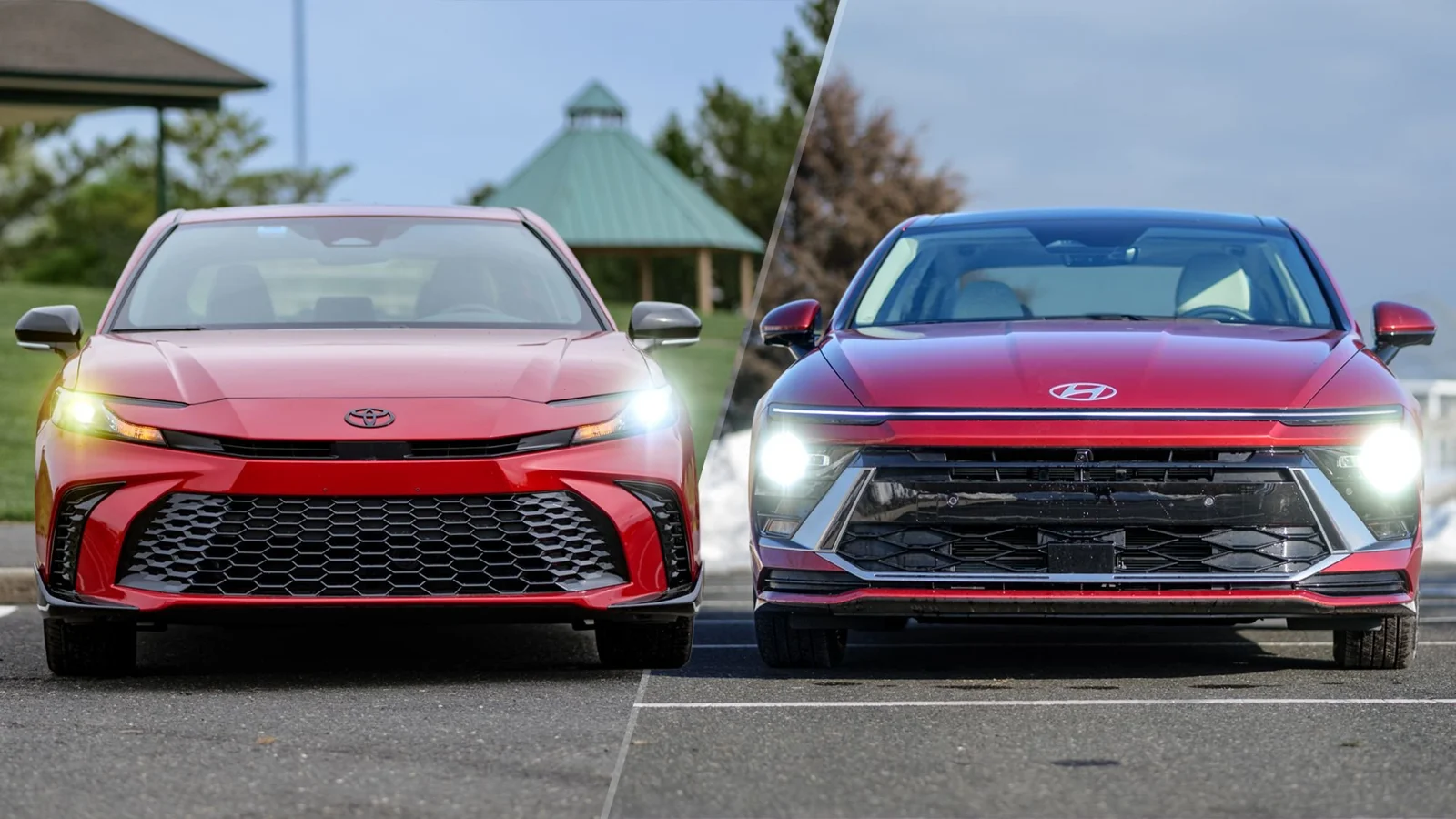
According to Tomsguide, the 2026 Toyota Camry Nightshade and the 2026 Hyundai Sonata Limited Hybrid serve as the leading contenders for consumers who want to reduce gasoline costs without transitioning fully to an electric vehicle. Both models provide a logical middle ground, offering high-end technology and significant fuel savings while remaining more affordable than many $50,000 electric cars.
Performance and Fuel Efficiency Specifications
Both sedans deliver exceptional EPA-estimated fuel economy, though they utilize different engine configurations to achieve these results. The Toyota Camry features a 2.5L 4-Cylinder Gas/Electric Hybrid engine producing 232 hp, while the Hyundai Sonata utilizes a 2.0L GDI Hybrid engine with 192 hp.
The efficiency ratings for both vehicles are remarkably similar:
- Toyota Camry: 46 mpg city / 46 mpg highway / 46 mpg combined
- Hyundai Sonata: 44 mpg city / 51 mpg highway / 47 mpg combined
- Fuel Tank Capacity: 13 gallons for the Camry and 13.2 gallons for the Sonata
Pricing and Feature Comparison
When comparing costs, both vehicles hover around the $40,000 mark depending on the specific trim level selected. The base prices start at approximately $37,324 for the Camry and $38,100 for the Sonata. However, fully equipped models can reach higher price points, with the Sonata Limited Hybrid reaching over $40,000.
The primary trade-off between these two popular models lies in their brand identity and feature sets. Hyundai is noted for being incredibly generous with premium interior features and technology packages. In contrast, Toyota relies heavily on its legendary reputation for reliability to attract long-term owners. For buyers prioritizing high-tech amenities, the Sonata may hold an edge, whereas those seeking a dependable daily driver often lean toward the Camry.
Ultimately, while both vehicles are excellent choices for maximizing mileage and minimizing costs, the decision rests on whether a driver values Hyundai's feature-rich interior or Toyota's established dependability. Both sedans successfully bridge the gap between traditional internal combustion engines and the growing demand for electrified transportation.