 EVERYTHING


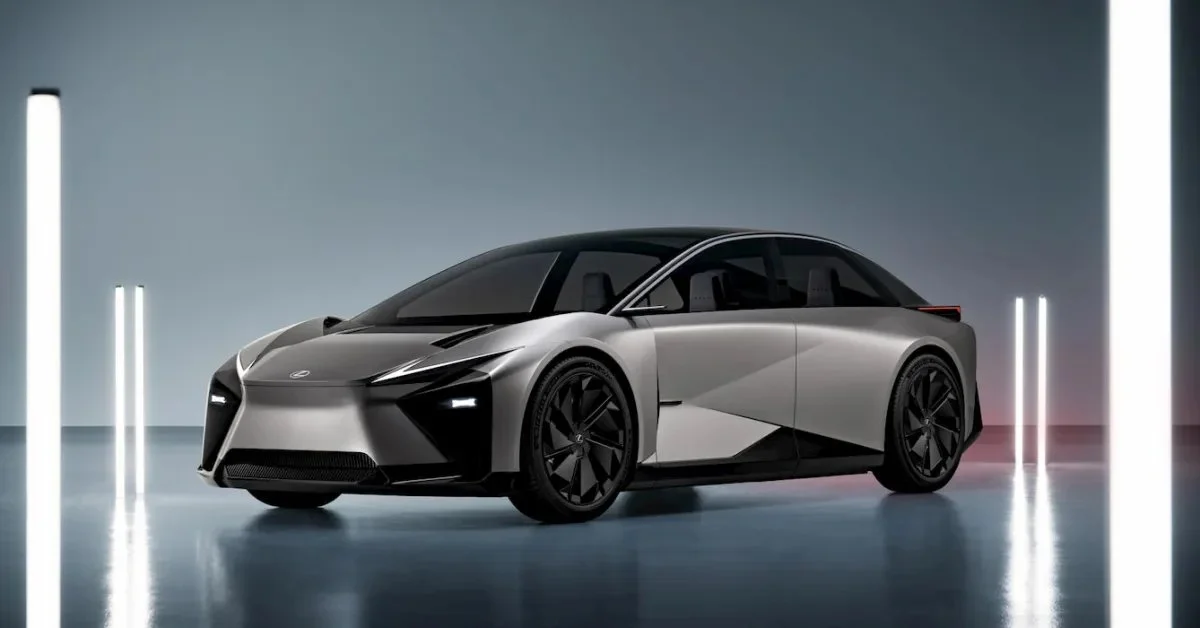
According to Electrek, Toyota is preparing to pay out substantial compensation to its manufacturing partners following the abrupt discontinuation of the Lexus LF-ZC. The flagship electric vehicle was intended to serve as a showcase for the automaker's most advanced battery technology and innovative production methods.
Financial impact on the supply chain
Reports from Nikkei indicate that Toyota could distribute tens of billions of yen to suppliers who have already committed resources to the project. Because the LF-ZC was designed as a high-profile flagship, many partners had invested heavily in specialized tooling and infrastructure tailored specifically for its unique requirements.
The scale of this cancellation has caused significant distress within the industry ecosystem. One anonymous executive from a major supplier described the move as an "unprecedented shock," noting that such a sudden pivot is rare for a company of Toyota's stature. The decision appears to stem from the prohibitive costs associated with molding and other new production equipment required for the flagship model.
Repurposing core technologies
Despite the cancellation, Toyota executive vice president Hiroki Nakajima stated that the research and development work will not be entirely wasted. The company plans to integrate several key innovations into a future successor vehicle. These technologies include:
The LF-ZC was originally unveiled at the 2023 Japan Mobility Show with promises of triple the driving range of the previous-generation bZ4X. While those specific goals may be delayed, the underlying engineering remains a priority for the brand.
Market context and strategic shifts
This development comes at a challenging time for Toyota, which reported a 7.2% drop in global sales during May. While battery-electric vehicle (BEV) sales rose by 170% to 37,313 units, the company faced a massive 32% decline in the Chinese market due to intense competition and rising fuel costs. By canceling the LF-ZC now, Toyota is attempting to balance its ambitious technological goals with the harsh reality of manufacturing profitability.
The move highlights the growing difficulty for legacy automakers to scale high-tech EV production without incurring unsustainable overhead. While Toyota remains committed to a multi-powertrain strategy, the need to compensate partners suggests that the transition to full electrification faces significant economic hurdles.