 EVERYTHING


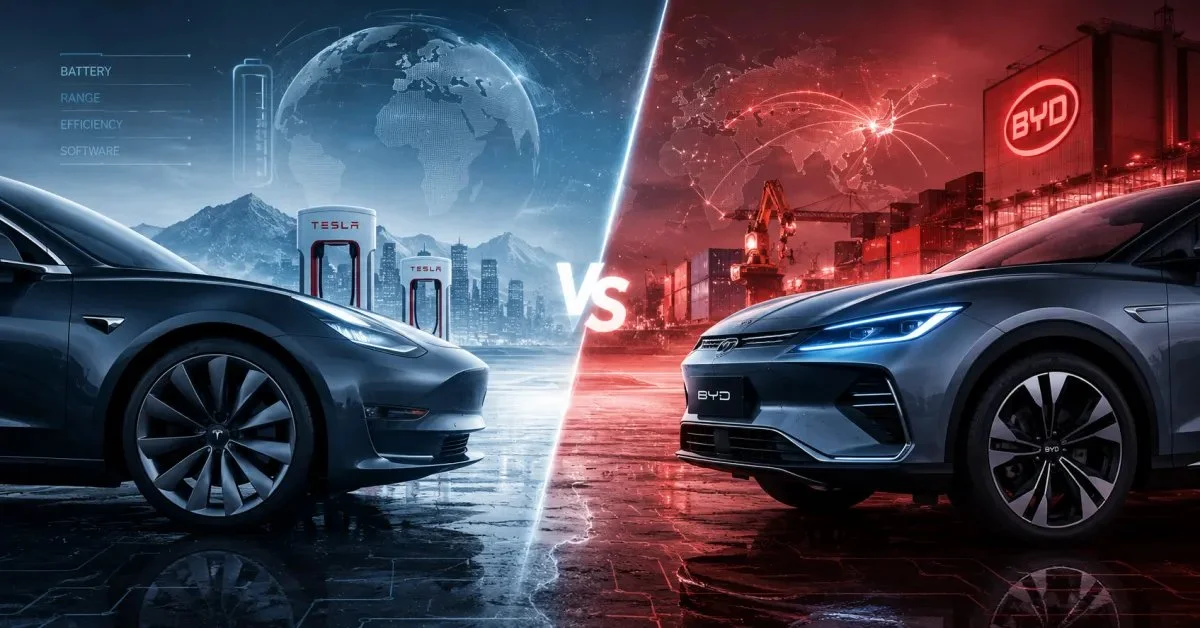
According to Electrek, reports compiled by Bloomberg indicate that BYD delivered 557,090 fully electric vehicles during the second quarter of 2026. This figure places the Chinese manufacturer back at the forefront of the global battery-electric vehicle (BEV) race, significantly ahead of its main rival.
A reversal of recent market standings
The data marks a notable shift from the first quarter of 2026, where Tesla had narrowly secured the lead. However, that brief period was influenced by domestic factors in China, such as the removal of EV purchase-tax exemptions, which temporarily slowed BYD's momentum. In contrast, Tesla struggled with inventory management earlier in the year, producing more than 50,000 vehicles that remained unsold at the end of Q1.
BYD is now pulling away again by focusing on international growth. The company has signaled a major push into several key regions:
- Europe, where BYD has outsold Tesla for multiple consecutive months.
- Southeast Asia, a rapidly growing market for affordable electric mobility.
- Latin America, representing a new frontier for the brand's export reach.
BYD has informed analysts that it expects overseas sales to hit 1.5 million vehicles in 2026, exceeding its original internal target of 1.3 million units.
Widening gaps and structural shifts
The comparison between the two giants is particularly stark because BYD's figure only accounts for all-electric models. When including plug-in hybrids, BYD’s total new-energy volume is even higher. This trend mirrors 2025, when BYD outperformed Tesla by more than 600,000 units in the full-year BEV category.
While Tesla is expected to report approximately 396,500 deliveries on July 2, analysts suggest that even a strong performance will not bridge the current divide. The gap of over 160,000 units in Q2 suggests that BYD's dominance is becoming structural rather than a temporary fluctuation. As Tesla shifts its corporate focus toward autonomous robotics and robotaxis, BYD appears to be winning the primary battle for global vehicle volume.
The current trajectory indicates that while Tesla remains a major player, it no longer defines the high-volume consumer EV segment as it once did. The industry is witnessing a permanent transition where Chinese manufacturing scale provides a significant competitive advantage in global distribution.