 EVERYTHING


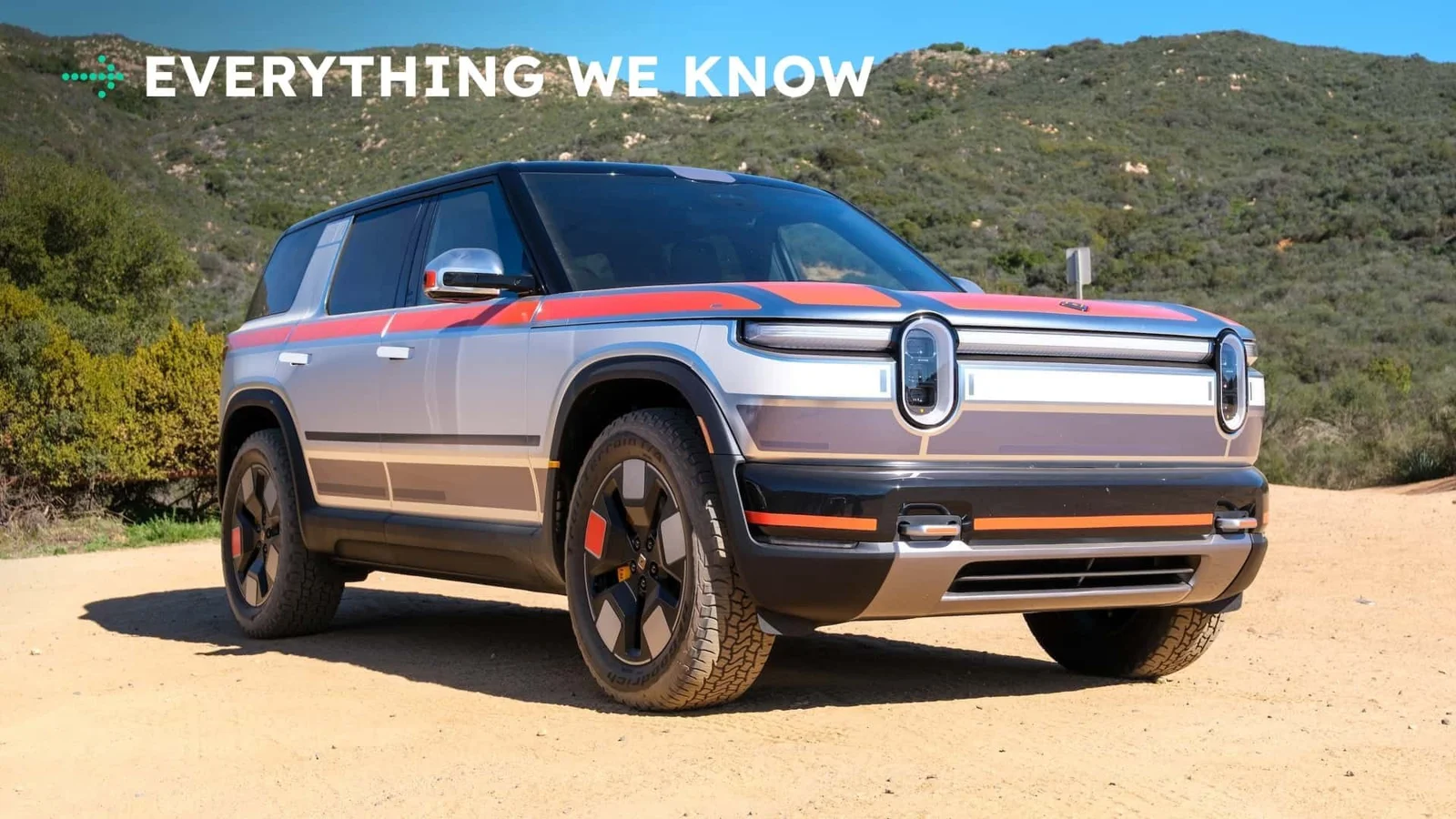
According to Insideevs, Rivian is positioning the R2 as its first true mass-market product, aiming to capture a significant share of the competitive compact crossover segment. While the brand has established itself with premium, high-performance SUVs, the R2 represents a strategic shift toward accessibility and volume production.
Strategic market expansion and design
The R2 is engineered to compete directly with global bestsellers such as the Tesla Model Y and traditional internal combustion crossovers like the Toyota RAV4. By offering a smaller footprint, Rivian intends to appeal to size-conscious markets, particularly in Europe where the larger R1S faces logistical and insurance hurdles. Design Chief Jeff Hammoud has noted that the R2 is specifically designed to be more repairable following accidents, a critical factor for international insurance viability.
Key features and specifications for the upcoming model include:
- An eventual starting price point of approximately $45,000.
- A projected driving range of at least 300 miles on a single charge.
- Native support for Tesla's North American Charging System (NACS) plug in the U.S. market.
- Access to over 20,000 Tesla Superchargers without requiring adapters.
- A wide selection of factory accessories, including external storage boxes and rooftop tents.
Manufacturing and production timeline
Rivian has recently finalized its manufacturing validation builds at its Illinois facility. These pre-production vehicles are essential for testing factory equipment and ensuring that the assembly line can meet a target production volume of up to 155,000 units per year. The company expects initial deliveries of the R2 to begin in the spring of 2026.
By balancing the adventurous aesthetic of its luxury lineup with a more pedestrian-friendly price tag, Rivian seeks to establish a foothold in the most profitable segment of the American passenger-car market. The success of the R2 will likely determine the company's ability to scale beyond its current niche status.