 EVERYTHING


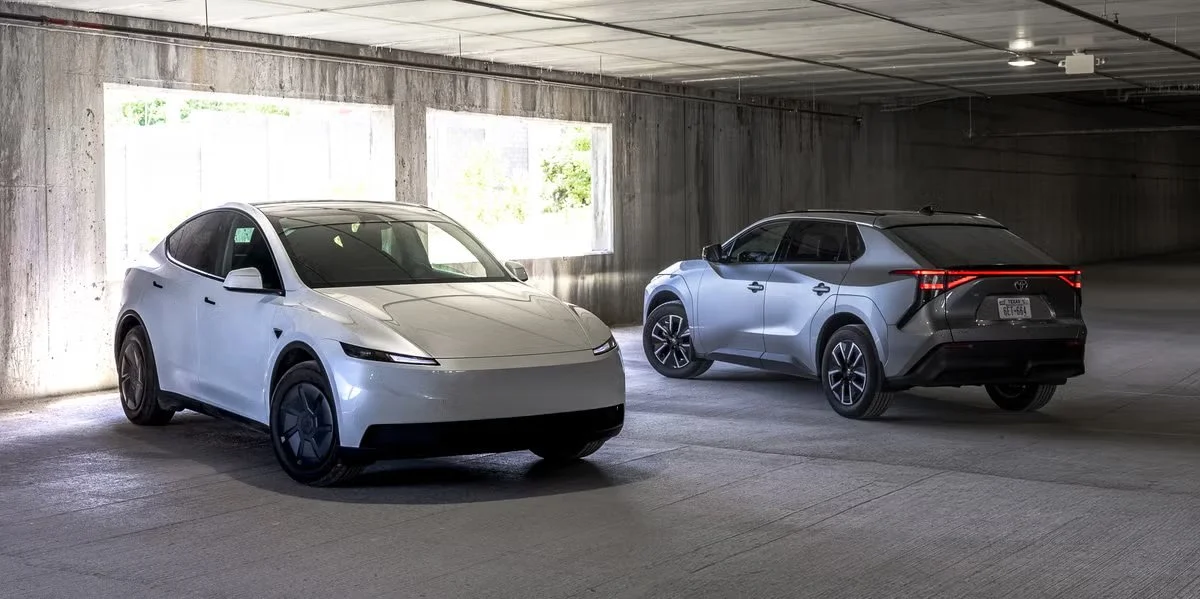
According to Caranddriver, the rivalry between Tesla and Toyota represents a pivotal moment in the mainstream adoption of electric vehicles. While Tesla established the blueprint for modern EVs with the Model Y, Toyota has spent years refining its approach after an initial, less successful foray into the market with the bZ4X model.
Updated specifications and pricing
For 2026, Tesla introduced a comprehensive makeover for the Model Y, including a new base rear-wheel-drive variant starting at $41,630. A significant change for owners is the shift toward a subscription model for Full-Self Driving (Supervised), which costs $99 per month after an initial 30-day trial, replacing the previous $8,000 one-time fee.
Toyota has responded with a refreshed bZ that features upgraded electric motors, new battery packs, and the NACS charge port for Tesla Supercharger access. The front-wheel-drive XLE trim starts at an aggressive $36,495, while the XLE Plus variant—which offers a larger battery and more power—was tested at approximately $40,769 including various accessories.
Design and aesthetic differences
The visual identities of both vehicles reflect their respective brand philosophies. The base Model Y maintains an anonymous look with 18-inch steel wheels and hubcaps to keep costs low, though upgrading to 19-inch alloys incurs a $1,500 fee and reduces range by nearly 20 miles.
In contrast, the Toyota bZ features a more distinct "hammerhead" lighting signature and creased body sides. While neither vehicle is designed to be a head-turner, the Toyota offers a more cohesive exterior aesthetic compared to the utilitarian feel of the base Tesla model.
- Tesla Model Y base price: $41,630
- Toyota bZ XLE starting price: $36,495
- Toyota bZ includes NACS port for Supercharger access
- Tesla FSD subscription cost: $99 per month
Driving dynamics and market position
Despite the improvements to Toyota's hardware, critics note that the bZ still struggles with an awkward driving position and a lack of engagement compared to its rival. However, its ability to undercut Tesla on price while providing essential features like a faster 11.0-kW onboard charger makes it a formidable threat. Both vehicles target the same demographic: buyers who prioritize affordability and practical SUV utility over high-performance luxury.
Ultimately, the competition between these two giants highlights a maturing market where legacy reliability meets established tech leadership. While Tesla holds the crown for sales volume, Toyota's rapid improvements suggest it is closing the gap in both hardware capability and consumer appeal.