 EVERYTHING


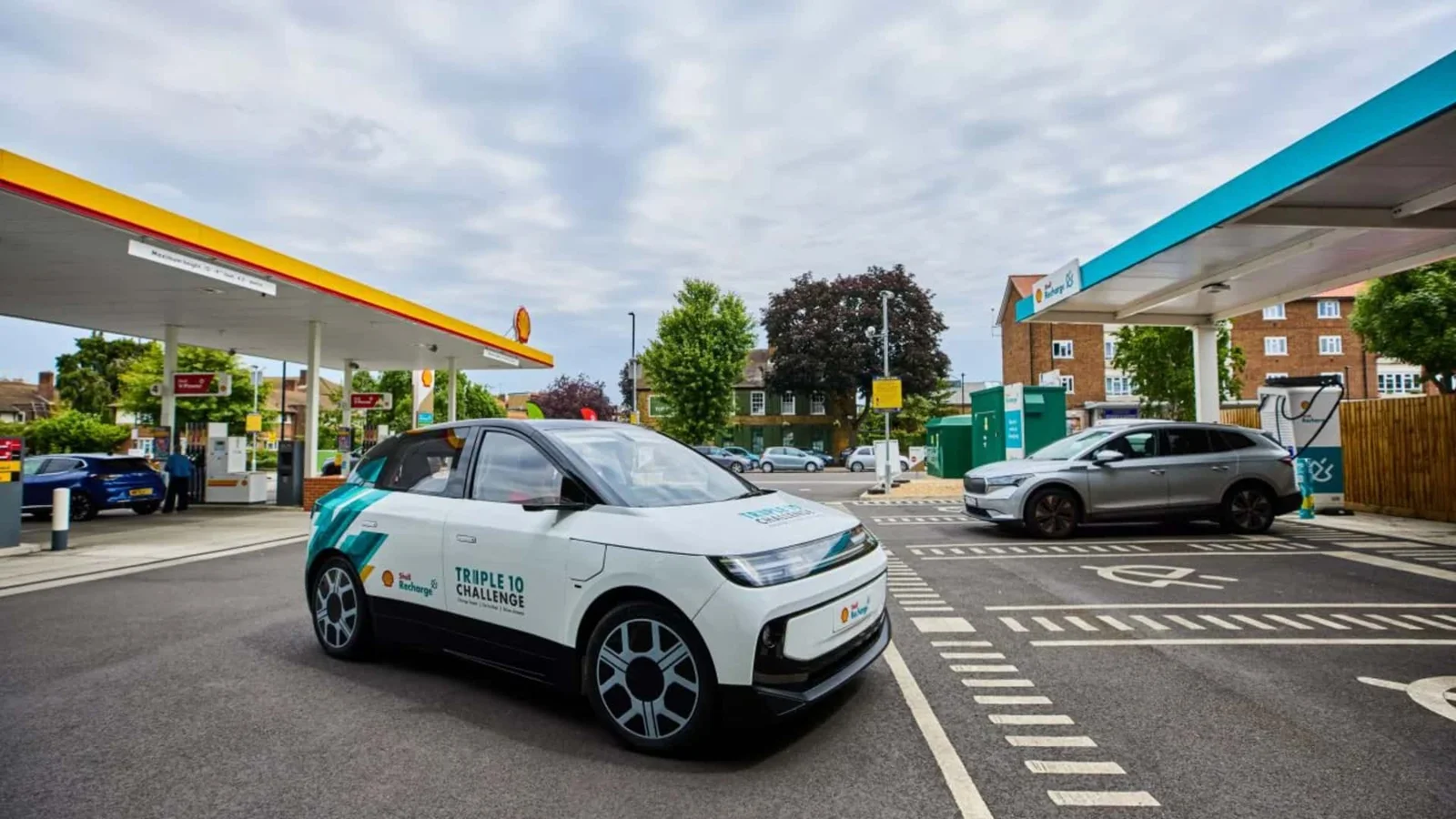
According to Insideevs, Shell is leveraging its expertise in fluids to develop a specialized cooling solution for the electric vehicle market. While the company recently showcased a compact "Triple 10" concept car to demonstrate these capabilities, its primary objective is not to become an automaker but to sell the underlying thermal management technology and proprietary fluids to existing manufacturers.
Direct immersion and dielectric fluids
The core innovation lies in the shift from indirect cooling to a direct immersion system. In most contemporary electric vehicles, battery cells are cooled indirectly; however, Shell’s approach involves submerging the cells directly into a dielectric fluid. Because this fluid is non-conductive, it can safely come into contact with high-voltage components without causing short circuits or fires—a feat impossible with standard water-glycol coolants.
This method offers several technical advantages for vehicle architecture:
- Faster heat extraction from battery cells during rapid charging cycles.
- Simplified single-circuit cooling that manages the motor and electronics simultaneously.
- Reduced system complexity, which can lead to lighter and more cost-effective vehicle designs.
- Greater control over cell temperatures to prevent degradation.
Performance benchmarks and commercial goals
During testing of its concept vehicle, Shell reported that the cooling system allowed for a 10% to 80% charge in under 10 minutes using a 175 kW charger. The company noted that this adds range at a rate of 15 miles per minute, which it claims is nearly double the average performance of other EVs at similar power levels. Furthermore, the vehicle achieved a running efficiency of 6.2 miles/kWh, representing a reported 30% improvement over many current-generation models.
Shell intends to monetize this technology by providing both the engineering specifications and the "crystal-clear" dielectric fluid required for operation. By offering a hydrocarbon-based revenue stream derived from natural gas-based base oils, Shell aims to maintain its market relevance as the automotive industry transitions away from internal combustion engines. The company's strategy focuses on solving one of the most significant bottlenecks in EV adoption: the thermal management of high-capacity batteries during ultra-fast charging.