 EVERYTHING


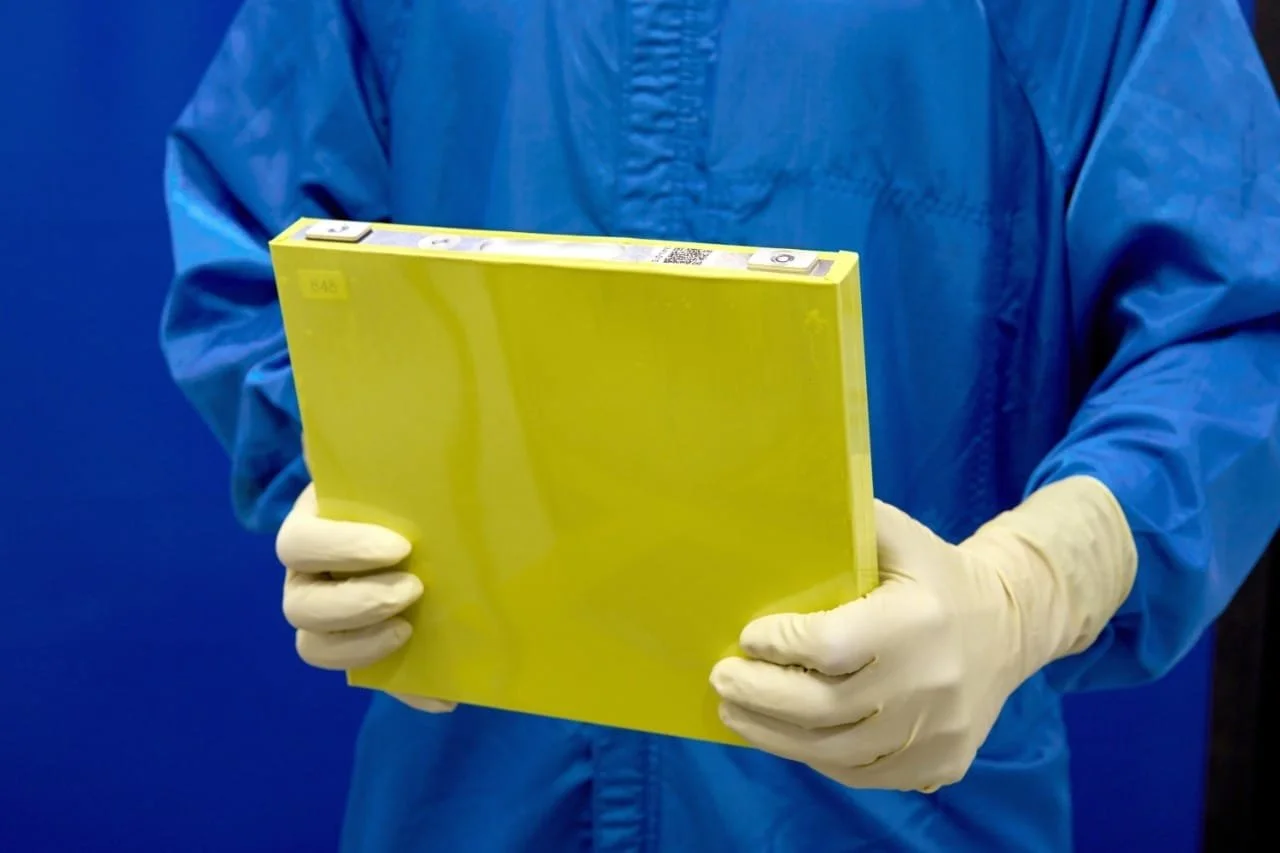
According to Electrive, General Motors is refining its approach to battery chemistry by prioritizing lithium-manganese-rich (LMR) cells over the previously anticipated mass adoption of lithium iron phosphate (LFP). While LFP has been a popular low-cost alternative in the industry, GM's leadership suggests that LMR may offer a more balanced profile for their future electric vehicle fleet.
Strategic pivot toward LMR technology
GM battery chief Kurt Kelty recently indicated that the manufacturer views LMR as its primary "workhorse" technology for high-volume production. Although the company's Spring Hill plant in Tennessee is scheduled to begin producing LFP cells this month, these units are intended for stationary energy storage systems rather than automotive applications. This distinction follows a March announcement by Ultium Cells—the joint venture between GM and LG Energy Solution—regarding the redirection of certain production lines away from EVs.
The shift is driven by the specific performance advantages of LMR chemistry compared to LFP:
- LMR cells are expected to offer approximately 33 per cent higher energy density than LFP batteries at a comparable price point.
- Manganese is significantly less expensive than cobalt, allowing for potential cost reductions in the cathode material.
- The technology utilizes domestic supplies of lithium, graphite, and manganese, supporting North American supply chain goals.
Development timeline and manufacturing hurdles
Despite its promise, LMR technology has faced historical challenges including limited durability, high capacity loss during cycles, and restricted fast-charging performance. To address these issues, GM is collaborating closely with LG Energy Solution, which holds over 200 patents in the field as of May 2025. The partners are currently developing a new generation of prismatic LMR cells designed to be market-ready by 2028.
These upcoming prismatic cells are expected to power GM’s larger vehicle segments, specifically electric pickups and large SUVs. While most current GM EVs utilize nickel-rich batteries, the move toward LMR represents a middle ground between high-performance nickel chemistries and budget-friendly iron phosphates. By focusing on manganese-rich cathodes, GM aims to secure a competitive edge in both manufacturing costs and vehicle range.