 EVERYTHING


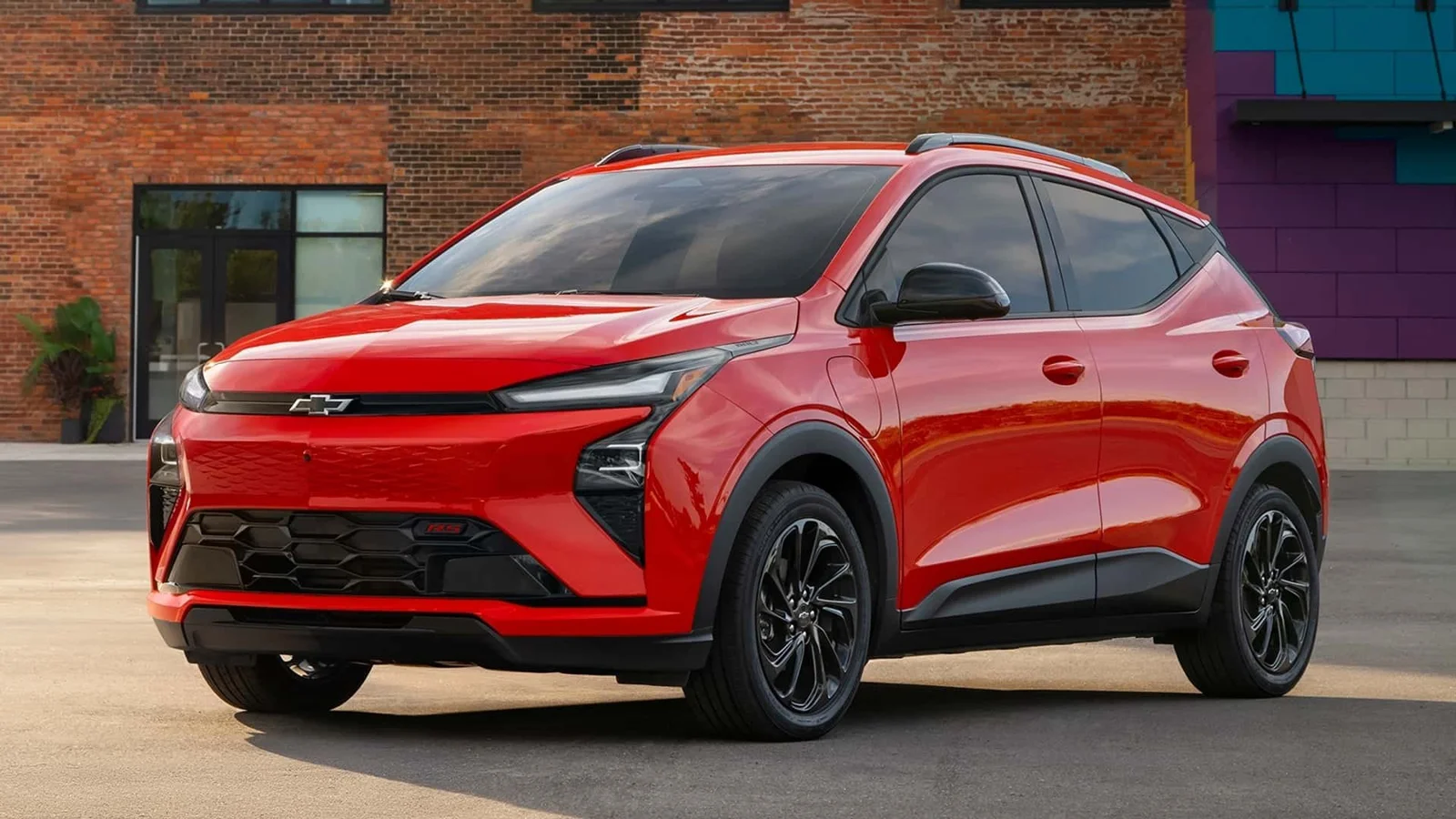
According to Motor1, General Motors experienced a notable cooling in sales volume during the first half of 2026. While the Detroit automaker still leads the domestic market, its total deliveries fell to 1,341,325 units, representing a 6.8 percent decrease compared to the same period in 2025. The company reported Q2 sales of 714,896 vehicles, continuing a downward trend from the previous year's performance.
Impact of federal tax credit expiration
The primary driver for this contraction appears to be the shifting landscape of consumer incentives. General Motors noted that the market for electric vehicles has shrunk considerably since the $7,500 federal tax credit expired. This change has been particularly difficult for entry-level and lower-priced models, which often rely on such subsidies to remain competitive against internal combustion engine alternatives.
Out of GM's current lineup of 11 electric models, the vast majority saw a decline in sales compared to 2025 figures. The data highlights several significant drops across popular brands:
Outliers and market positioning
While most of the portfolio struggled, a few models showed growth, though some figures were skewed by low baseline numbers or new launches. The Chevrolet Bolt saw a massive percentage increase, but this was largely due to very low sales in 2025 while it was effectively off the market. Similarly, the Cadillac Vistiq showed high growth following its late launch in Q2 2025.
Despite these fluctuations, General Motors remains the second-largest EV seller in the United States with 56,679 units sold so far this year. This figure represents a 32.6 percent drop from last year's totals and continues to trail Tesla significantly. The company faces a complex environment where high fuel prices do not necessarily translate into EV adoption without accessible financial incentives.