 EVERYTHING


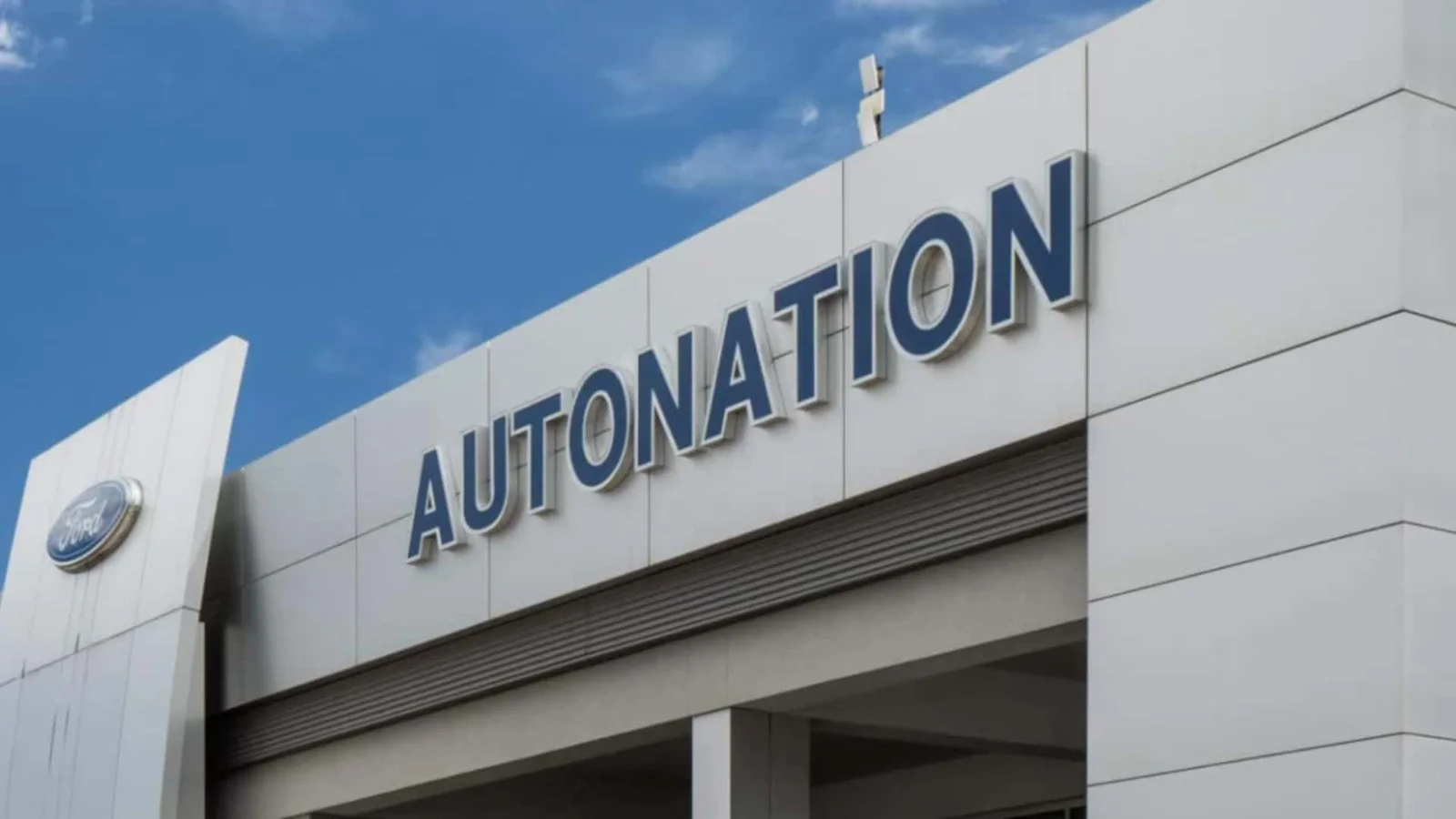
According to Motor1, the U.S. Federal Trade Commission has identified 97 dealerships that were warned about engaging in practices deemed 'deceptive pricing.' The agency’s initiative aims to encourage dealers across the country to thoroughly review their advertising and sales methods to ensure complete transparency for buyers.
The Scope of FTC Intervention
The letters, which were initially sent out in March, advised dealerships that they might be promoting prices that are lower than what is actually charged to consumers. The list of recipients was made public in late May and includes major players such as Lithia Motors, AutoNation, and Hendrick Automotive Group. Crucially, the FTC clarified that these letters do not constitute a comprehensive statement of concerns or a finding of guilt against any specific dealership group.
The core objective of the agency is to prevent pricing strategies from obscuring the total cost of ownership for consumers. The warnings specifically address practices where advertised prices fail to reflect all mandatory fees required during the vehicle purchase process.
Identifying Deceptive Practices
The FTC detailed several types of potentially illegal pricing methods that dealers must avoid. These tactics are designed to mislead potential buyers about the final financial commitment. Among the specific behaviors cited in the warnings, the agency listed:
- Advertising a price that does not account for all required fees and charges.
- Conditioning the advertised vehicle price on consumers utilizing dealer financing options.
- Promoting or advertising vehicles that are unavailable or do not exist within the dealership inventory.
These practices highlight ongoing regulatory challenges in the complex automotive retail environment, where hidden costs can significantly alter a consumer's purchasing decision. The FTC’s intervention underscores a growing focus on consumer protection against misleading commercial claims.
Impact on Automotive Transparency
The enforcement action signals a heightened commitment by federal regulators to maintain fair market practices within the auto industry. For dealerships, this means an immediate need to audit their pricing structures and advertising copy to ensure absolute clarity regarding all associated costs—including taxes, fees, and financing charges. This regulatory pressure is likely to drive greater standardization in how vehicle prices are presented across the American automotive landscape, ultimately benefiting consumers by providing a clearer view of the total expenditure.
The FTC’s warnings serve as a strong reminder that transparency is not merely a best practice but a necessary legal standard for all participants in the automotive sales process.