 EVERYTHING


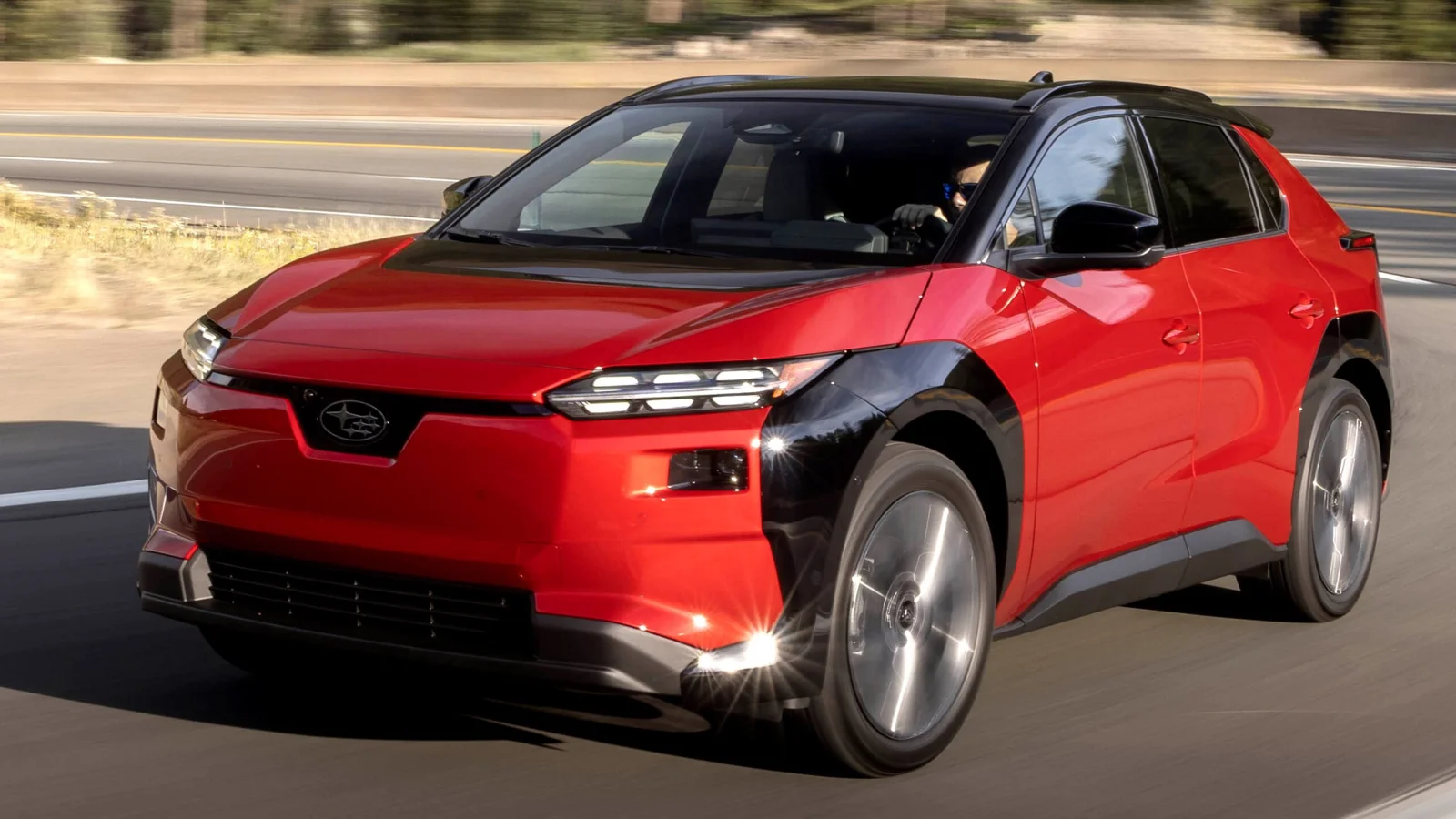
According to Carscoops, a major safety recall has been initiated by Toyota, Subaru, and Lexus to address a software glitch in the battery management system of several electric vehicle models. The issue stems from an electronic control unit (ECU) supplied by Denso, which contains specific software capable of triggering a complete shutdown of the electric drive system.
Scope of the Recall
The recall encompasses 20,991 vehicles manufactured between April 2025 and April 2026. The affected fleet includes three distinct brands and models:
- 11,495 Toyota bZ models
- 4,739 Lexus RZs
- 4,757 Subaru Solterras
The technical root of the problem lies in two integrated circuits within the battery ECU. These components can occasionally overwrite data in the same memory location simultaneously. If this conflict occurs repeatedly, the ECU fails an operational check, leading to a total loss of propulsion.
Technical Failures and Testing History
While drivers may initially see an "EV System Malfunction" warning along with various dashboard lights, the system can eventually flatline entirely. Toyota's internal timeline reveals that engineers first identified a similar memory-overwrite condition during plug-in hybrid development in 2025. At that time, they concluded the issue would not impact battery-electric vehicles due to different operating cycles.
However, a review of remote diagnostic data in April 2026 revealed that the conflict could indeed occur under specific conditions. Testing showed that increased CPU loads—which often happen when the battery state-of-charge is low—can trigger the memory malfunction. This failure can occur at any speed and may also interfere with safety features such as the Vehicle Stability Control (VSC) and the Pre-Collision System (PCS).
Resolution for Owners
Toyota reported receiving only one warranty claim in the United States related to this specific issue so far, with no widespread field reports. Owners are advised that they do not need to stop driving their vehicles immediately but must visit an authorized dealer to receive a mandatory software update. This fix will rectify the memory conflict and ensure the battery management system operates reliably without unexpected power loss.