 EVERYTHING


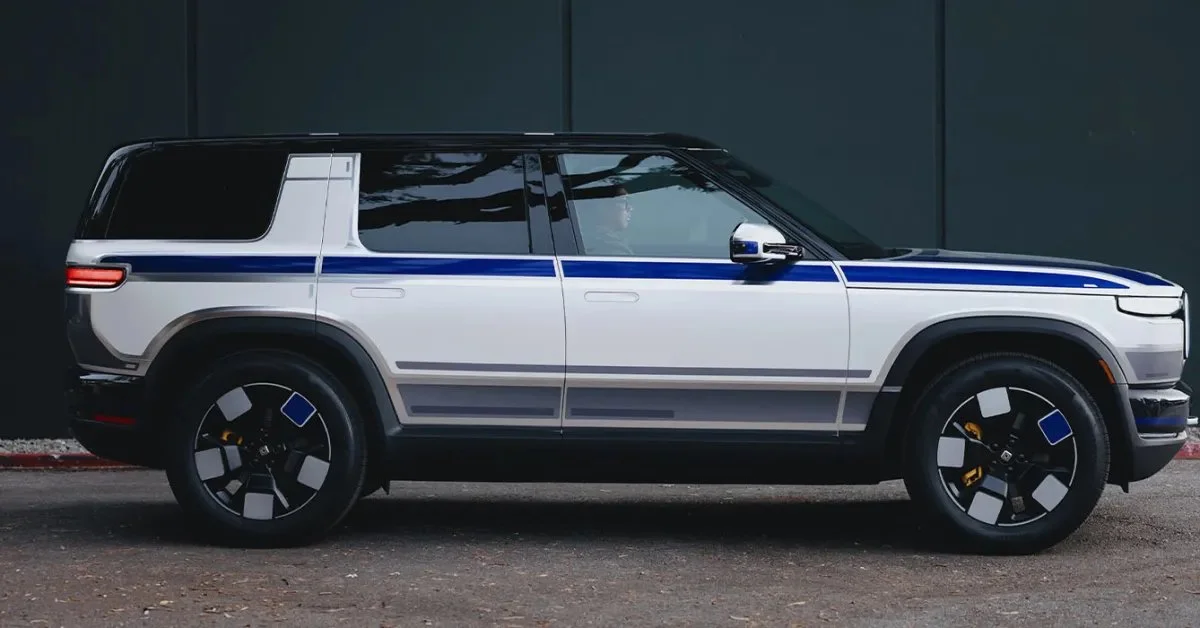
According to Electrek, Rivian CEO RJ Scaringe recently shared his outlook on the economics of autonomous driving during an interview with WIRED. He argued that while automakers currently charge significant premiums for self-driving capabilities, these costs are destined to decrease as the technology matures and becomes more widely available across different manufacturers.
The transition from premium to standard
Scaringe utilized a historical analogy to explain how high-value safety features eventually become baseline requirements. He noted that consumers once paid extra for airbags, but they are now integrated into the base price of every vehicle sold. He expects self-driving software to follow an identical trajectory, moving from a luxury add-on to a necessary component for selling cars in a competitive landscape.
Currently, the pricing landscape for autonomy varies significantly across brands:
- Rivian offers its Autonomy+ package for a one-time fee of $2,500 or a monthly subscription of $49.99.
- Tesla recently transitioned its Full Self-Driving (FSD) to a $99 per month subscription model after removing the high-cost one-time purchase option.
- Chinese manufacturer BYD provides its "God’s Eye" driver-assistance suite as a free bundle with its vehicles.
Market competition and cost pressures
When questioned about how companies can justify high prices when rivals like BYD offer similar tech for free, Scaringe admitted that the premium only exists while very few players can deliver functional results. "Once enough companies have developed it, what you can charge will become much lower," — RJ Scaringe, Rivian CEO. He emphasized that as competition increases, autonomy will eventually become a standard feature required to remain competitive in the global market.
This stance stands in stark contrast to Tesla's long-standing narrative. While Elon Musk has suggested that FSD prices might rise as the system improves toward unsupervised driving, Scaringe points out that Tesla’s recent price cuts already demonstrate a downward trend in software costs. Furthermore, Rivian is preparing for this shift by developing its own in-house autonomy stack, including 1,600 TOPS silicon and lidar technology, to ensure it can compete on cost against Chinese rivals in both North American and European markets.
The long-term outlook suggests that while high margins are possible today for early adopters, the ultimate goal for automakers is to integrate these capabilities into a standardized, low-cost manufacturing model.