Cars Read the original on Insideevs 2 min read 0

Regulatory hurdles complicate used electric vehicle battery vetting

The growing market for affordable used electric vehicles is currently hindered by a lack of standardized battery health transparency. While consumers can easily monitor smartphone battery degradation, automotive manufacturers often keep vehicle data behind proprietary software walls. Recent shifts in the regulatory landscape have further complicated these efforts, leaving private buyers with significant uncertainty regarding the long-term viability and remaining capacity of second-hand EV power cells.

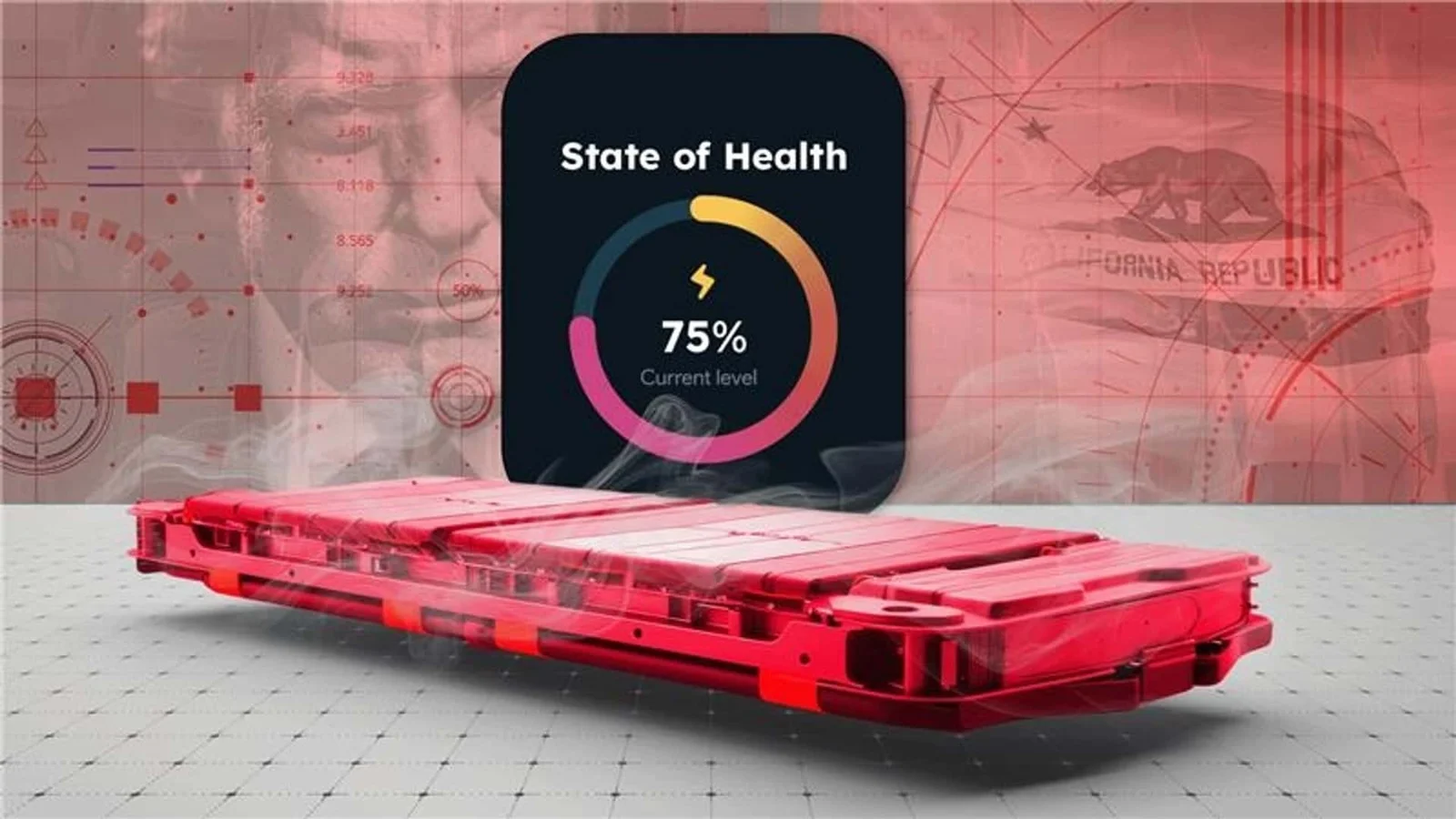
Червоний акумулятор електромобіля на сітці з вікном діагностики стану здоров'я батареї на 75% на тлі технічної карти світу.
Червоний акумулятор електромобіля на сітці з вікном діагностики стану здоров'я батареї на 75% на тлі технічної карти світу. · Image source: Insideevs

According to Insideevs, the transition toward a robust secondary market for electric vehicles is being stalled by the difficulty of verifying battery health. While used models like the Polestar 2 or Mustang Mach-E offer high performance at lower price points than new internal combustion cars, the "black box" nature of their battery management systems creates a barrier to confident purchasing.

Proprietary software and diagnostic barriers

Unlike mobile devices that provide straightforward health menus, most modern EVs require specialized, manufacturer-only tools to access deep diagnostics. For instance, vehicles from brands like Volvo or Polestar necessitate the use of VIDA, a dealer-specific software suite that requires an active internet connection to communicate with corporate servers.

This technical gatekeeping creates several hurdles for independent buyers and small-scale dealerships:

  • Small-time hobbyists and independent shops often lack the expensive licenses required for official diagnostic tools.
  • Dealerships without EV-certified technicians may be unable to provide accurate health reports on auction vehicles.
  • Private sales are frequently conducted without any professional inspection, leaving buyers to rely on vague marketing claims like "low miles" or "good health."
  • Even manufacturers with more open systems, such as Tesla, impose limitations; their service mode battery tests can often only be performed once every six months, which may not suffice for a pre-purchase inspection.

    The impact of regulatory shifts

    The situation has been further complicated by recent political and regulatory changes. Previous efforts to establish clearer standards for battery transparency have faced setbacks, potentially removing the safety nets that would have allowed consumers to verify if a car had been subjected to excessive fast-charging or harsh environmental conditions. Without these standardized metrics, the risk of purchasing a significantly degraded battery remains high.

    The industry currently faces a dilemma where the demand for affordable green transportation is high, but the infrastructure for verifying the "state of health" of used assets is lagging behind. Until manufacturers provide more accessible data or regulations mandate standardized reporting, the used EV market will likely remain a high-risk environment for the average consumer.

    FAQ

    Why is it hard to check the health of a used EV battery?
    Most modern electric vehicles use proprietary software and diagnostic barriers that require specialized manufacturer-only tools. This technical gatekeeping prevents independent buyers and small-scale dealerships from accessing deep diagnostics without expensive licenses or official dealer access.
    What are the risks for private buyers in the second-hand EV market?
    Private sales often lack professional inspections, forcing buyers to rely on vague marketing claims. Without standardized metrics or accessible data, consumers face a high risk of purchasing vehicles with significantly degraded batteries from excessive fast-charging or harsh environmental conditions.
    Can independent shops perform battery health reports on used EVs?
    Small-time hobbyists and independent shops often lack the expensive licenses required for official diagnostic tools. Dealerships without EV-certified technicians may also be unable to provide accurate health reports on auction vehicles.
    Telegram

    Fresh news on our Telegram

    Get instant alerts for new posts in «Cars»

    @procarsandevenmore