 EVERYTHING


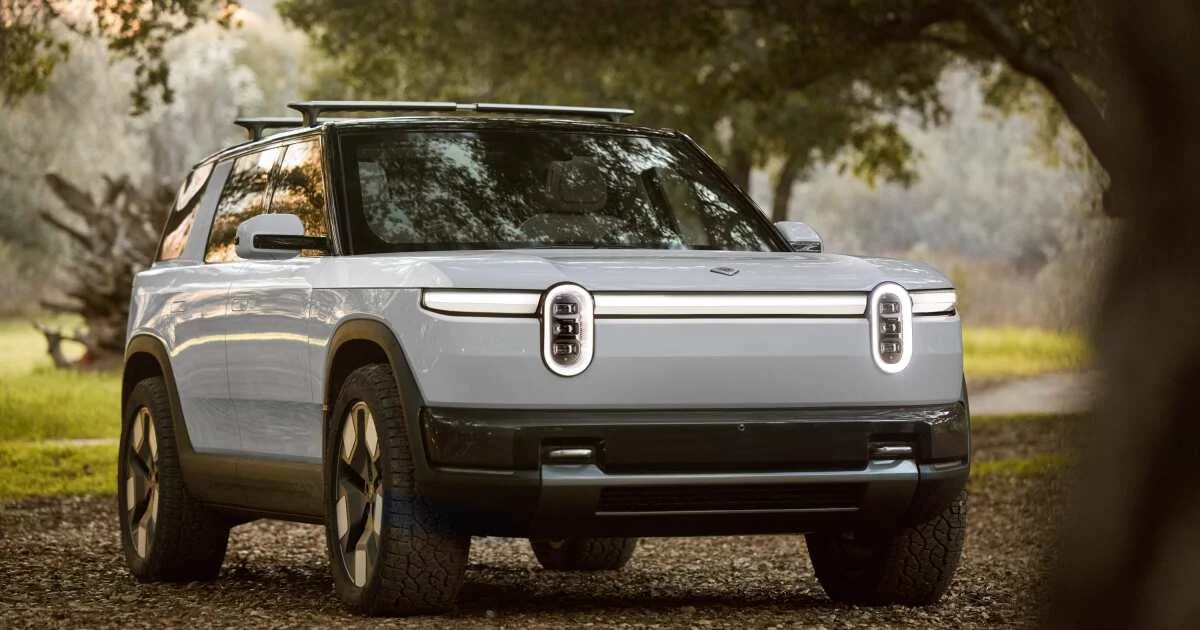
Rivian has initiated deliveries of its R2 SUV, a crucial step in the company’s strategy to broaden its customer base and compete more directly with mainstream automotive manufacturers. The R2 is designed to address the growing demand for affordable electric vehicles while maintaining Rivian's reputation for rugged design and performance.
According to Latimes, the initial production run features the high-performance version of the R2, priced at $57,990. This serves as a transitional model before the more accessible versions arrive. The company has outlined a clear pricing roadmap: the R2 Premium is slated for late 2026 with an estimated price point around $54,000, followed by the highly anticipated R2 Standard version in 2027, which targets a retail price of $44,990.
Shifting Focus to Mass Market Appeal
The introduction of the R2 represents a significant departure from Rivian’s previous focus on premium vehicles, such as the nearly $77,000 R1S. Experts note that launching the most expensive version first is typical for an automaker introducing a new platform, but the ultimate success hinges on the availability and adoption rate of the lower-priced models.
Auto analyst Brian Moody suggests this shift aligns with broader consumer trends. “More mainstream people are going to be in on the R2, especially for the lower-priced models,” he stated. “You’re always going to have early adopters, but there’s a lot more customers to go around in the $45,000 to $55,000 range.” This price bracket is particularly relevant given that Cox Automotive reports the average transaction price for a new EV in the U.S. currently sits at $55,000.
Market Headwinds and Financial Outlook
Despite the hype surrounding the R2 launch, investor sentiment remains cautious. Rivian shares fell 7% on Tuesday, reflecting a broader cooling trend across the electric vehicle market. This downturn is compounded by external factors, including the expiration of the $7,500 EV tax credit in September and major automakers like Honda and Ford scaling back their EV offerings.
Financially, Rivian continues to face substantial challenges. The company reported a loss of $3.6 billion last year and has not achieved overall profitability since its founding in 2009. CEO RJ Scaringe stated that the R2 will enable the company to reach per-unit production profitability this year, though he estimated overall corporate profit would not materialize until closer to 2030.
Industry experts predict a strong demand for the standard models over the performance variant. Karl Brauer, an auto industry expert at ISeeCars.com, commented that while the R2 launch is theoretically exciting, “there’s no indication in my mind that there will be huge, high-volume sales” from the expensive initial version.
Ultimately, whether the R2 achieves the market penetration Rivian hopes for will not become clear until late 2027, when the standard versions are widely available and the company can demonstrate sustained volume sales across its new price tiers. The success of this vehicle is critical to proving that Rivian can transition from a high-cost niche player into a major contender in the competitive mass market.