 EVERYTHING


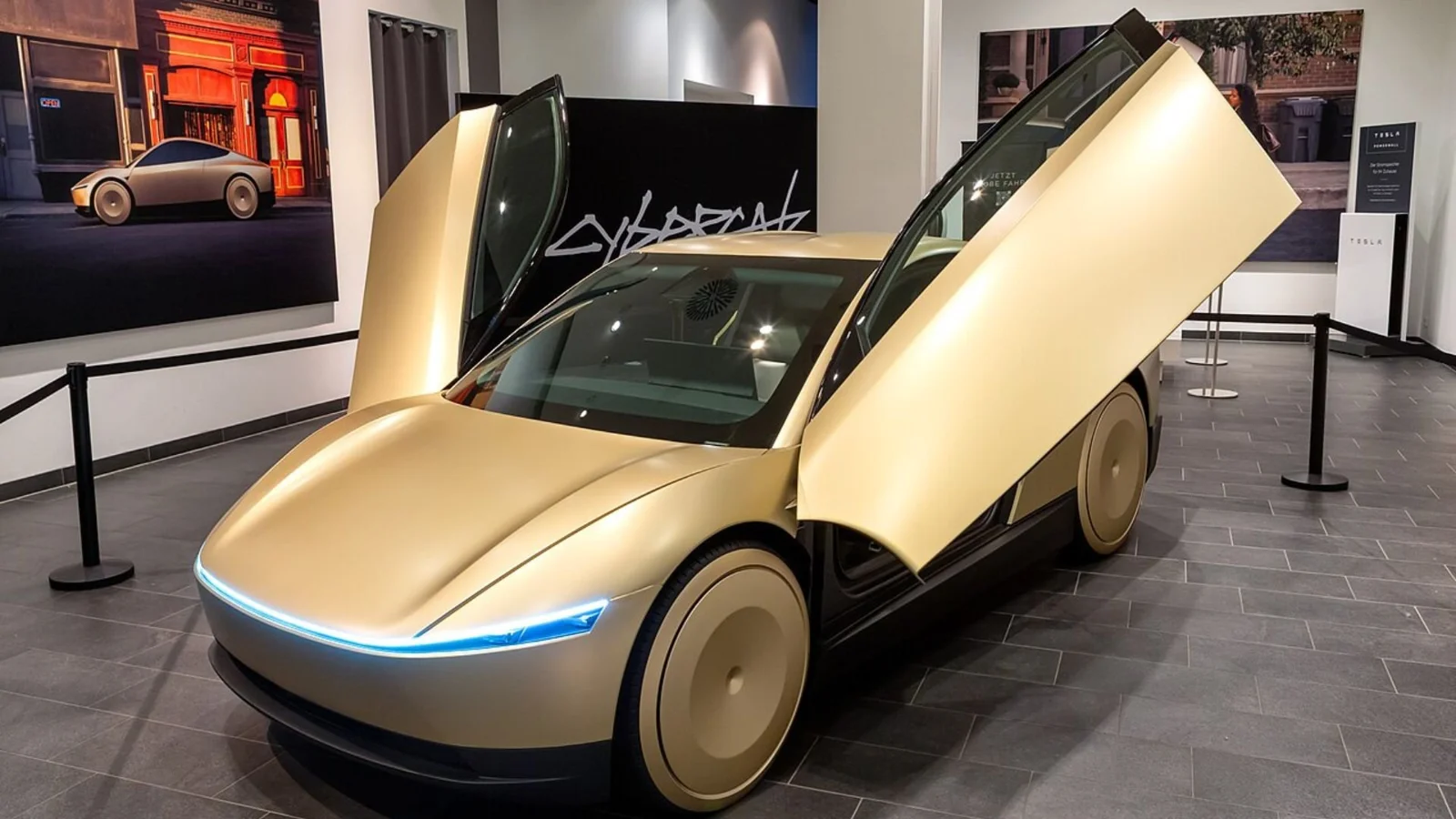
According to News reports via Interesting Engineering, official documents submitted to and approved by the U.S. Environmental Protection Agency (EPA) have surfaced, detailing the core mechanics of the Tesla Cybercab. While Tesla initially kept many specifications under wraps following its production announcement in February, these regulatory filings provide a comprehensive look at the robotaxi's engineering.
Weight reduction and battery efficiency
A primary design goal for the Cybercab is to maximize energy efficiency by removing traditional human-centric controls. Because the vehicle lacks a steering wheel and pedals, it achieves a significantly lower curb weight than Tesla's standard lineup. The EPA documents reveal that the Cybercab weighs just 1,412 kg, which is approximately 317.5 kg lighter than the lightest configuration of the Model 3.
The technical data highlights several key performance metrics for the autonomous fleet:
- Battery capacity: 48 kWh
- Electric motor power: 219 hp
- Estimated range: Between 466 and 482 km
- Energy consumption: Approximately 165 Wh per 1.6 km
Regulatory estimates suggest the vehicle will consume roughly 1 kWh of electricity for every 9.5 to 10 km traveled. This level of efficiency is notably higher than many contemporary electric vehicles, positioning the Cybercab as a highly optimized tool for high-frequency urban transport.
Scaling challenges and infrastructure
Despite these technical advancements, Tesla faces a significant hurdle in scaling its robotaxi service to meet previous projections. While Elon Musk once predicted that half of the U.S. population would utilize such services by the end of 2025, current operations remain localized to cities like Austin, Dallas, and Houston. Currently, the company holds permits for 42 autonomous Model Y vehicles, but only 14 are operating without a safety driver.
To bridge this gap, Tesla is focusing on physical infrastructure. The company has submitted plans to local authorities in Las Vegas and Austin for specialized automated car washes and dedicated charging stations. While the technical specs of the Cybercab are now public, the ultimate success of the project depends on Tesla's ability to build a nationwide network that can compete with established players like Waymo.