 EVERYTHING


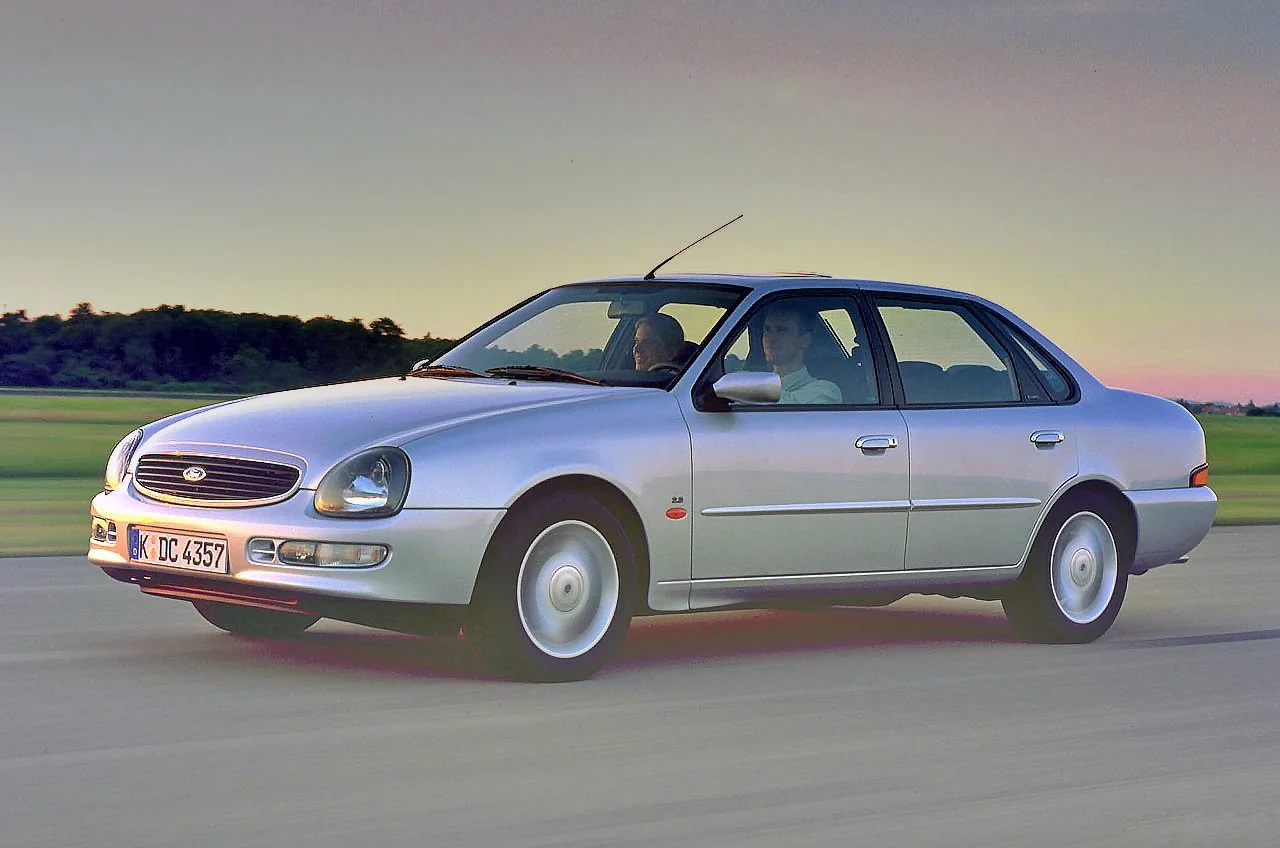
According to Autocar, Ford Motor Company has navigated a wide array of public disputes across its long manufacturing history. The publication identified 40 specific models that sparked controversy, focusing on vehicles marketed by Ford or brands it owned prior to 1950.
Early safety and production debates
The Ford Model T, introduced in 1908, serves as a primary example of early automotive friction. While it eventually became a celebrated icon, contemporary observers viewed the vehicle as noisy, smelly, and dangerously fast. Beyond safety concerns, Henry Ford faced criticism for maintaining the model's production for 19 years, allowing General Motors to surpass him in the United States market during the latter half of that period.
Engineering flaws and aesthetic shifts
The 1936 Lincoln Zephyr introduced a V12 engine that was both a technical marvel and a source of frustration. While it was related to the Ford flathead V8, its design suffered from a serious flaw where exhaust gases heated the cooling water through the cylinder blocks. This led to a lasting reputation for unreliability despite its high appeal.
In contrast, some controversies were purely commercial or stylistic:
- The 1955 Ford Parklane was a two-door station wagon that sold so poorly it was only offered in the 1956 model year.
- The 1957 Ford Taunus P2 generation shocked consumers with its flamboyant chrome and tailfins, earning the nickname Barocktaunus due to its ornate appearance.
- The Edsel brand, launched in 1958, became a symbol of corporate failure after being axed just 2 years later.
Market failures and branding issues
The rapid demise of the Edsel is often attributed to a combination of incoherent marketing, declining demand for large cars, and poor styling during an American recession that halved new car sales. These instances highlight how even major manufacturers can stumble when production goals clash with shifting consumer preferences or technical limitations.
Ultimately, Ford's history demonstrates that controversy is often a byproduct of rapid innovation and the inherent risks of large-scale manufacturing. Each of these vehicles represents a specific moment where engineering choices or marketing strategies met significant public resistance.