 EVERYTHING


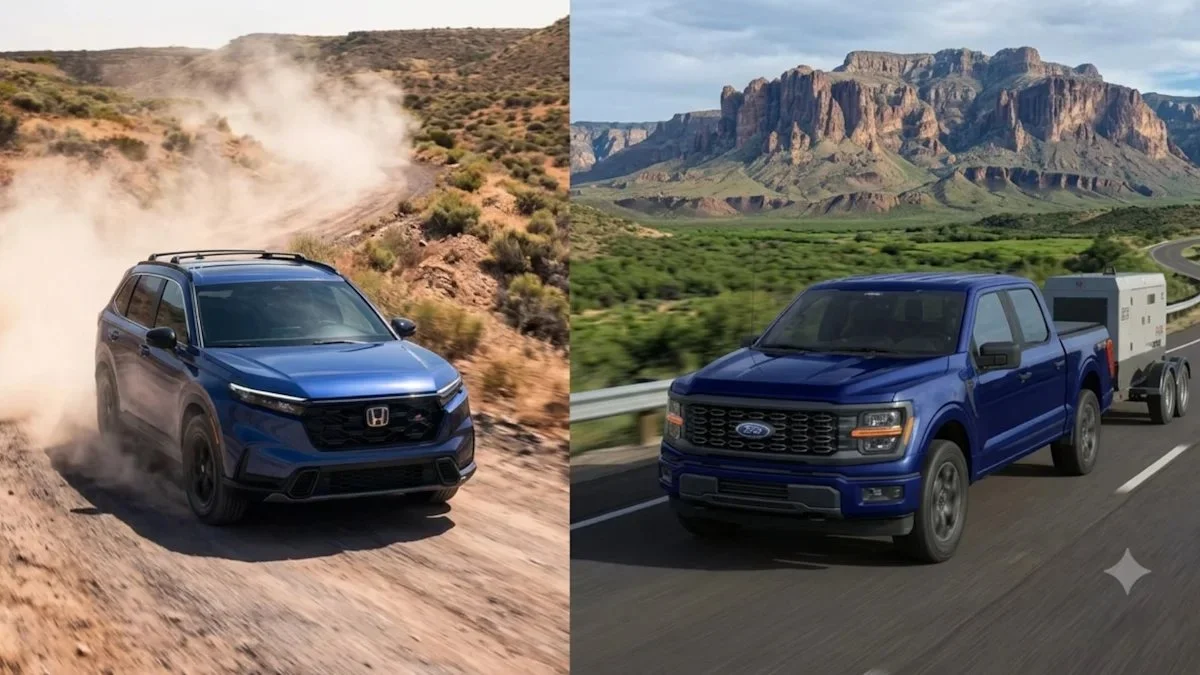
According to Autos, the Honda CR-V has secured the top spot as the most popular light-duty vehicle in the United States through June 2026. This milestone marks a notable shift in the domestic automotive landscape, where the Ford F-150 has historically dominated sales figures for decades.
Shifting consumer demand toward affordability
The rise of the CR-V is largely attributed to a cooling market where average new-vehicle transaction prices are nearing $50,000. As costs rise, many consumers are pivoting away from high-priced full-size trucks toward midsize SUVs that offer a better value-for-dollar proposition. While the F-150 can be configured at various price points, it often exceeds the national average once options and packages are included.
In contrast, the 2026 Honda CR-V provides a more accessible entry point for families:
- The base LX trim starts at $30,920.
- Even the premium Sport Touring Hybrid remains under the $50,000 average at $42,550.
- The vehicle offers a balance of cargo space and safety technology without the high fuel costs associated with large pickups.
Furthermore, as traditional 48-month and 60-month loan terms become less common, the lower sticker price of a CR-V makes it a more viable financing option for buyers seeking manageable monthly payments.
Supply chain disruptions impact truck production
While consumer preference plays a role, manufacturing hurdles also contributed to Ford's second-place finish. A series of fires at the Novelis aluminum plant in Oswego, New York, during late 2025 caused a significant supply-chain crunch. Because this facility provides roughly 40% of the sheet aluminum used by the U.S. auto industry, the production bottleneck cost Ford an estimated $2 billion.
While Toyota faced its own inventory issues with the RAV4—which transitioned to a hybrid-only lineup for 2026—Honda maintained steady production capacity. This combination of high demand for affordable SUVs and manufacturing limitations for trucks allowed the CR-V to claim the lead over the F-150 at the halfway point of the year.
The data suggests that while the truck remains a cultural staple, economic pressures are reshaping the hierarchy of American automotive sales.