 EVERYTHING


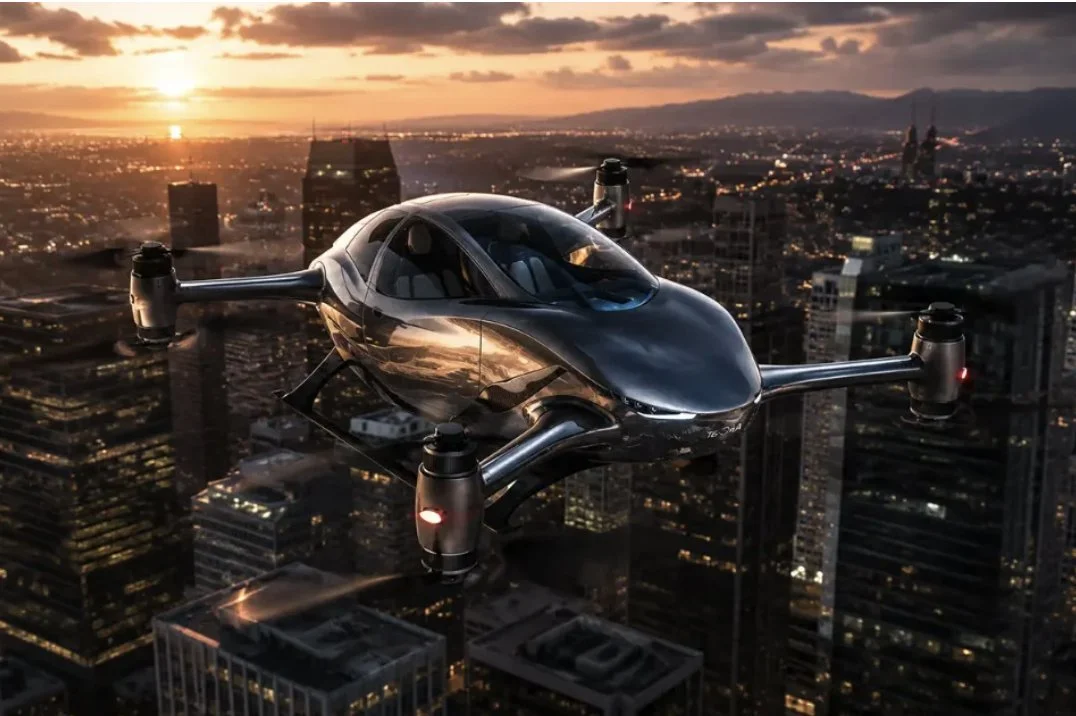
According to Barchart, AirCar is attempting to trigger a "Henry Ford moment" for the flying car industry by addressing the primary barrier to adoption: affordability. While many current electric Vertical Take-Off and Landing (eVTOL) projects target high-net-worth individuals or commercial operators with price tags ranging from $400,000 to $600,000, AirCar's LightSport is positioned at a fraction of that cost.
Vertical integration and manufacturing strategy
The company achieves its competitive pricing by manufacturing nearly every component in-house. This includes the production of carbon fiber airframes and 400V motors. By controlling the supply chain, AirCar aims to maintain target margins of approximately 50%, a feat that many competitors struggle to achieve due to outsourced parts and higher overhead costs.
Market growth and infrastructure drivers
The global eVTOL market is currently valued at $4.4 billion in 2024, with projections suggesting it could reach $28.6 billion by 2030. This represents a projected growth rate of 550% over six years. Several key factors are driving this rapid expansion:
- Increasing urban congestion that exceeds the capacity of existing ground infrastructure.
- Advancements in battery technology making electric aviation practical for consumers.
- Active development of regulatory frameworks by bodies like the FAA.
- Growing consumer demand fueled by real-world demonstrations and cultural interest.
Proven traction and regulatory progress
AirCar has established a significant amount of proof-of-concept data, including more than 1,000 manned test flights across 10 different prototypes. The company has also secured $21 million in deposit-backed pre-orders from over 200 customers. Furthermore, the LightSport is currently undergoing FAA MOSAIC certification, with first deliveries expected within approximately 12 months.
By combining a lower price point with substantial flight data and confirmed customer deposits, AirCar seeks to transition personal aviation from a speculative technology into a viable transportation reality. The company's focus on the Light Sport Aircraft regulatory pathway suggests a deliberate move toward mainstream accessibility rather than just high-end novelty.