 EVERYTHING


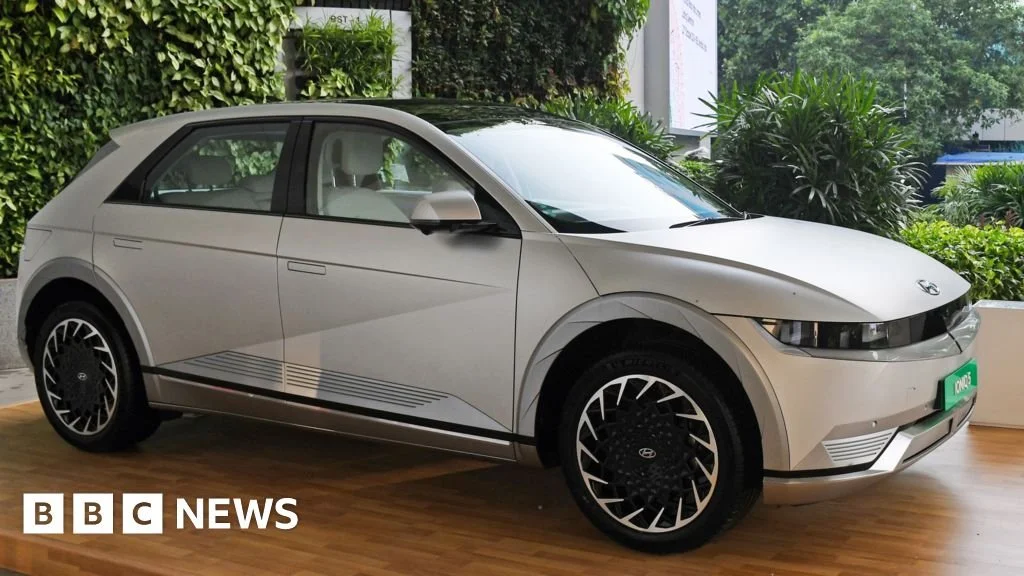
According to BBC reports, indicators suggest that electric vehicles are finally becoming mainstream in India, with the market expanding by a solid 25% in the year ending March 2026. The crossing of the 5% threshold in passenger vehicle sales this year is often viewed as a tipping point for mass-market adoption across the country.
Immediate Economic Drivers Push EV Demand
The recent spike in interest towards electric cars has been amplified by immediate economic pressures. India imports nearly 90% of its oil, and state-run fuel retailers were forced to raise pump prices after crude prices jumped by 50%. Nomura, the Japanese brokerage, notes that this rising uncertainty, coupled with elevated fuel costs, acts as an incremental driver strengthening the case for EVs.
Adoption is particularly strong in higher-priced vehicles; currently, one in every 10 larger cars sold (those priced above one million rupees) is electric. Furthermore, two-wheeler segments are already heavily invested in electrification, with electric three-wheelers accounting for over 30% and motorbikes for more than 15% of their respective sales.
Long-Term Policy Changes Mandate the Shift
Beyond immediate price triggers, long-term regulatory changes are cementing the EV transition. Upcoming norms known as CAFE-3 are scheduled to take effect from April next year and will run until March 2032. Analysts at Bernstein, Venugopal Garre and Param Shah, state that these regulations "meaningfully tighten regulation and are likely to drive more visible acceleration in EV adoption."
- CAFE-3 aims to reduce carbon emissions in cars from 113 to 76g/km by 2032, representing a 33% drop.
- Unlike previous scenarios where fines were often uncollected, CAFE-3 penalties are expected to be binding across the eight original equipment manufacturers (OEMs).
- City-states like Delhi have also introduced ambitious draft policies proposing to phase out conventional internal combustion engines and halt new registrations of ICE two and three wheelers by 2027.
Nomura expects a healthy launch pipeline will further support this growth, projecting that EV penetration in India's passenger vehicle market could reach 9% by 2030. The transition is concentrated in high-utilisation, cost-sensitive categories like three-wheelers, suggesting the adoption curve will be non-linear as affordability and charging infrastructure improve.
Despite these encouraging signs of growth, Nomura data indicates that India still lags behind major global economies, such as China, in overall EV market penetration. Nonetheless, the combination of economic necessity and binding governmental policy is rapidly reshaping the automotive landscape.