 EVERYTHING


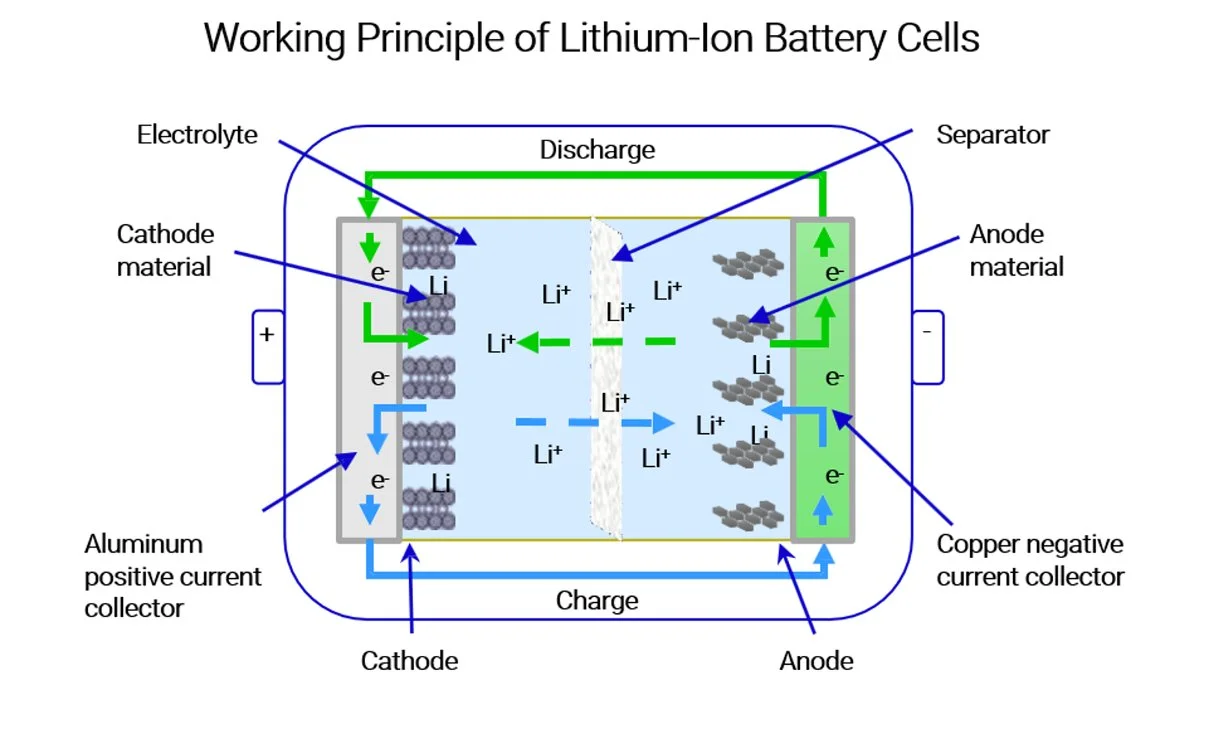
The introduction of lithium-ion batteries in the latter half of the 20th century marked a revolutionary breakthrough in battery science, delivering vastly improved energy density, portability, and efficiency. This innovation has dramatically expanded applications across various sectors globally. To ensure continued progress and accelerate adoption, the industry must effectively scale production while addressing inherent challenges.
According to Spectroscopyonline, as lithium-ion battery production transitions from small-batch reagents to bulk gigafactory feedstocks, maintaining rigorous process controls becomes paramount. This focus on chemical purity is not merely a quality measure; it is central to mitigating catastrophic risks and optimizing the entire battery value chain.
Mitigating Thermal Runaway Through Chemical Insight
Thermal runaway represents one of the most critical safety concerns in lithium-ion technology, occurring when uncontrolled chemical reactions cause batteries to overheat, swell, and release flammable or toxic gases. While some industry perspectives suggest that thermal runaway is solely a fire propagation issue, researchers emphasize that effective mitigation must begin at the molecular level. By gaining deep insight into cell gas composition and electrolyte degradation products, manufacturers can preemptively address potential failures.
Advanced analytical chemistry techniques are crucial for this preventative approach. These methods allow scientists to monitor chemical changes before they become dangerous events:
- GC-based hyphenated MS platforms: Used to understand the precise composition of vent gases.
- FT-IR (Fourier-Transform Infrared Spectroscopy): Employed to analyze electrolyte degradation products.
- Titration workflows: Utilized for comprehensive compositional control of raw materials and intermediates.
Managing Impurities Across Production Scales
Beyond safety, achieving consistent performance requires meticulous management of impurities and contaminants throughout the manufacturing process. Cell-to-cell variability—the difference in performance between individual cells within a battery pack—is often linked to minute variations in input materials. Therefore, routine impurity surveillance must be maintained across all stages:
- Incoming raw materials.
- Intermediate chemical components.
- Final end products.
This comprehensive approach ensures that the final product meets high standards of performance and reliability. By integrating advanced analytical methods with strict process management, manufacturers can not only enhance battery safety but also improve overall cost optimization and recyclability, paving the way for safer, higher-performing next-generation chemistries.
Ultimately, the successful transition of lithium-ion technology from the lab bench to industrial scale hinges on a deep commitment to chemical understanding and unwavering process control throughout every stage of production.