 EVERYTHING


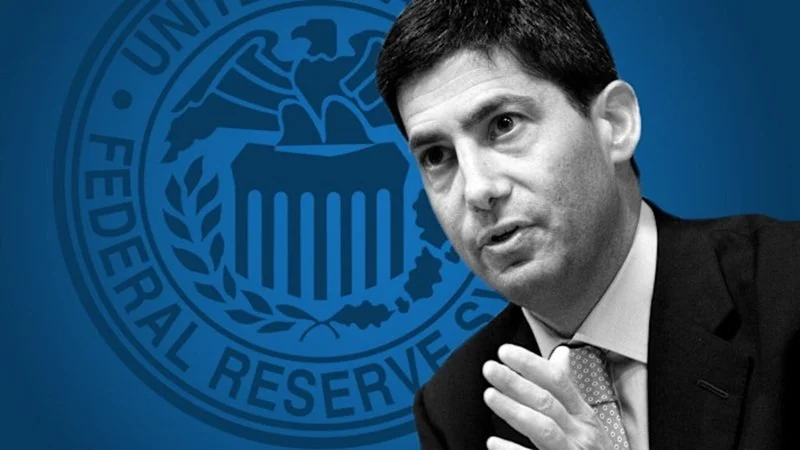
Goldman Sachs has effectively redrawn the Federal Reserve’s monetary policy timeline, now expecting interest rates to remain unchanged through 2026 and for the first rate cuts to be delayed until 2027. The bank's revised forecast suggests two quarter-point reductions in 2027—one in June and another in December—replacing its prior projection of easing starting late in 2026.
According to Tekedia, this recalibration follows a stronger-than-expected U.S. employment report, which supports the view that the labor market continues operating above equilibrium. The firm argues that policymakers have little incentive to ease prematurely because hiring remains steady and consumer demand has shown persistence despite interest rates being at multi-decade highs.
Persistent Inflation Headwinds
Inflation dynamics remain a primary constraint on the Fed's path toward easing. Goldman highlights multiple overlapping pressures complicating disinflation, creating what it views as a prolonged inflation "stickiness" problem rather than a clean return to target. These factors include:
- Tariff-related cost pass-throughs into consumer prices.
- Elevated energy costs tied directly to geopolitical tensions in the Middle East, particularly disruptions linked to shipping routes and the Strait of Hormuz.
- Lingering supply-chain fragilities that prevent a smooth return to pre-pandemic efficiency.
Energy markets are cited as a critical variable. Oil prices react repeatedly to global developments, and even short-lived spikes feed directly into headline inflation and risk-altering expectations—a factor the Fed has monitored closely since the post-pandemic price surge.
The Dual Role of AI Investment
A more unusual element in Goldman’s assessment is its treatment of artificial intelligence-driven investment. The firm suggests that a significant portion of current economic strength may be inflated by unusually large and concentrated capital spending required for AI infrastructure. This buildout drives demand across several sectors