 EVERYTHING


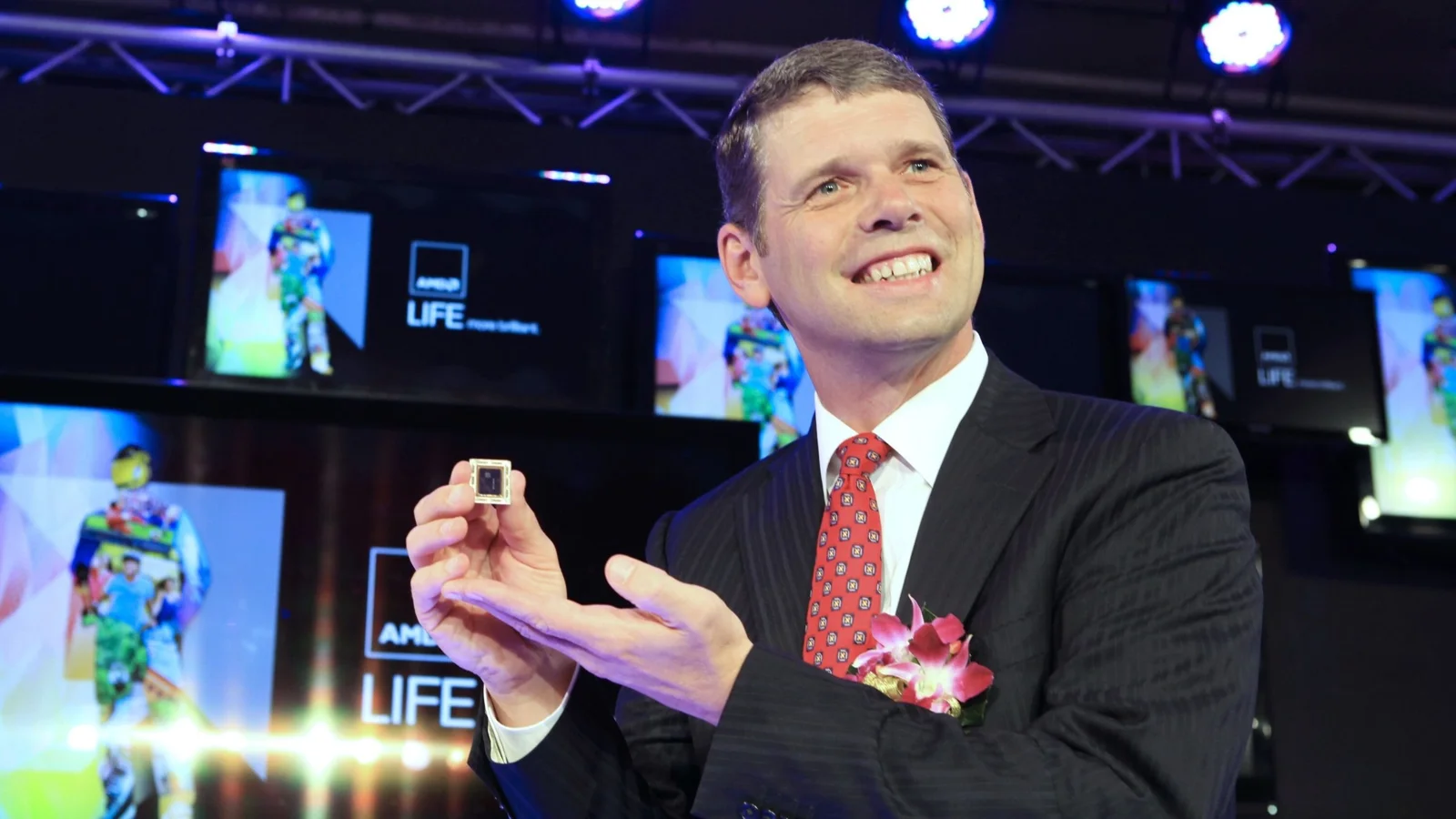
According to Tomshardware, an HVAC technician discovered a vintage desktop PC belonging to Rory Read, who served as CEO of Advanced Micro Devices (AMD) from 2011 to 2014. The computer was located in the basement of a client who ran a local computer shop and contained hardware dating back to AMD's Bulldozer era. What makes the machine unique is that its chassis bears multiple signatures, most notably one from Dr. Lisa Su, accompanied by a message reading: "To Rory - All the Best from Team AMD."
Artifact Details and Condition
The PC itself is housed in an Xigmatek XEN6329 Mini-ITX chassis, which currently commands a high price on the aftermarket. Despite its age, the computer was found to be completely dust-free and in new condition, suggesting it had never been used since its creation twelve years prior. The original packaging remained intact, including a wrapped Windows 8.1 CD that appeared untouched.
The internal components confirm the machine's vintage nature. Experts suggest the graphics processing unit (GPU) is likely an ITX variant of the R9 285 from Sapphire, a card released in 2014. The case also features signatures from several other AMD executives of that time, including:
- Mark Papermaster
- Rajan (Raj) Naik
- Devinder Kumar
- Colette LaForce
- John Byrne
- Darrell Ford
The sheer number of executive signatures suggests the PC was likely intended as a high-level parting gift from AMD's leadership.
The Context of Rory Read’s Tenure
To fully appreciate the significance of this artifact, one must understand the context of Rory Read's time at AMD. He took over during a period of severe difficulty for the company, following the disastrous launch of its Bulldozer CPU architecture and a lack of presence in mobile computing.
Read’s primary role was that of a turnaround specialist—stabilizing the falling tower rather than running the company long-term. During his tenure, he secured crucial partnerships with Sony and Microsoft for their next-generation consoles. Furthermore, he played a vital role in positioning AMD for its eventual resurgence by bringing legendary chip architect Jim Keller back to work on the Zen architecture alongside Mike Clark. Read also mentored Dr. Lisa Su, eventually enabling her to take over the company's leadership.
The discovery of this pristine PC serves as a physical reminder of the strategic pivot that allowed AMD to overcome its most significant challenges and set the stage for its modern competitive position in the semiconductor industry. This piece of hardware is more than just an old computer; it is corporate memorabilia documenting a critical industrial transition.