 EVERYTHING


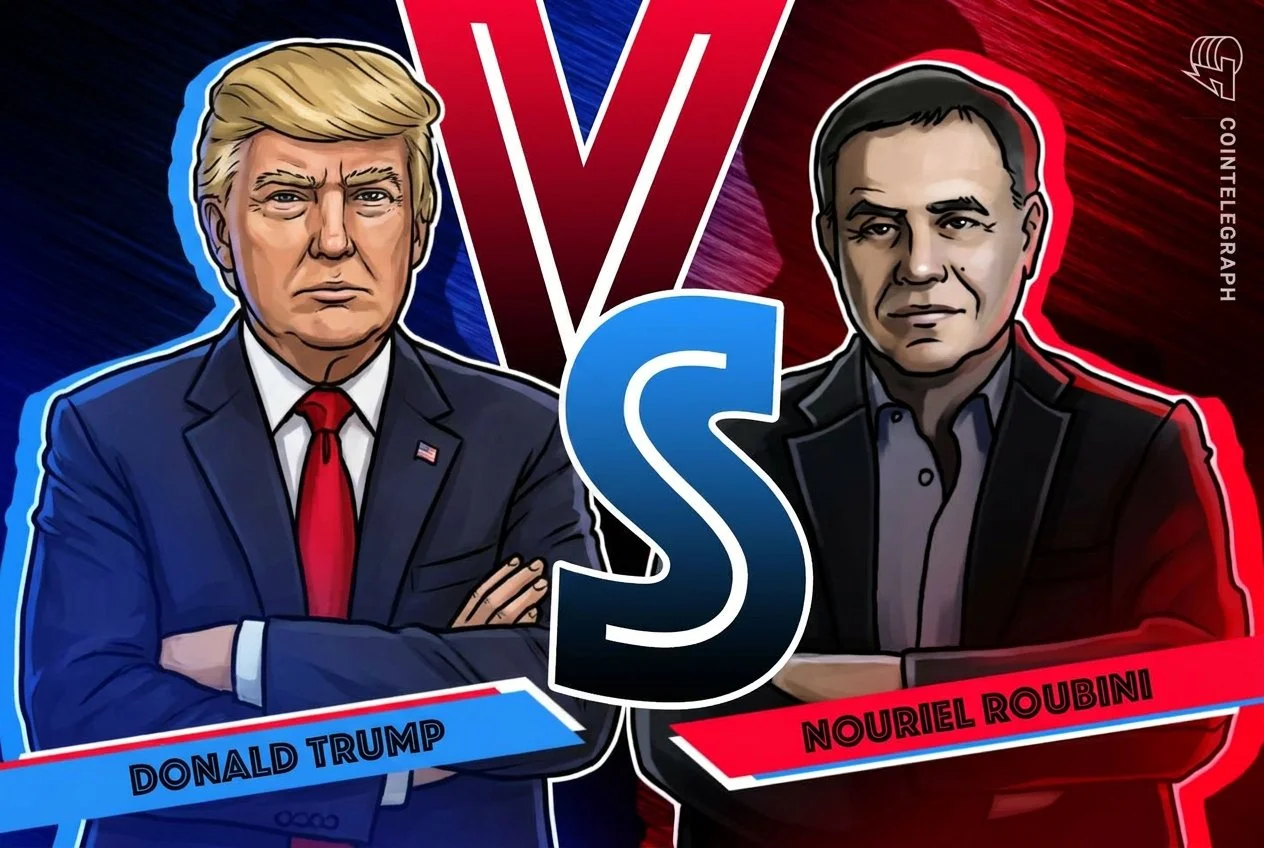
According to Cointelegraph, several of the most vocal critics of the cryptocurrency industry have recently undergone a notable shift in perspective, moving from outright dismissal to active participation in blockchain-based projects. This evolution highlights a growing distinction between speculative tokens and the underlying utility of distributed ledger technology.
From gold bugs to tokenized assets
Peter Schiff, a long-time advocate for physical gold and a frequent critic of Bitcoin, has entered the space by launching T-Gold.com in December 2025. The platform utilizes blockchain to represent vaulted bullion as transferable tokens, allowing users to own physical metals with ownership recorded on a digital ledger. For Schiff, this move is less about embracing crypto-native assets and more about leveraging modern infrastructure for traditional stores of value.
Schiff has framed the project as an opportunity for investors to keep the technological rails while swapping volatile assets for those with historical monetary weight. Similarly, Nouriel Roubini, known for his dire warnings regarding a "crypto apocalypse," recently co-authored a whitepaper introducing USAFi. This instrument is marketed as a regulated permissionless security designed to embody what he terms the "Technodollar."
Political and institutional shifts
The transformation extends into the political arena with Donald Trump, who transitioned from calling Bitcoin a scam to positioning himself as a pro-crypto leader. His involvement includes launching meme coins and advocating for domestic crypto innovation while reportedly earning billions from various crypto-related endeavors since 2024. Analysts suggest that his shift reflects the growing influence of the crypto industry as a strategic voting bloc.
The broader trend suggests three distinct types of adoption among former skeptics:
- Infrastructure Adoption: Using blockchain to provide transparency for physical assets like gold and silver.
- Regulated Tokenization: Creating asset-backed digital instruments that meet institutional safety standards while utilizing decentralized rails.
- Political Alignment: Leveraging the "freedom" narrative of crypto to secure donor support and influence regulatory policy.
While some figures like BlackRock's Larry Fink have embraced tokenization as a natural extension of asset management, others continue to draw sharp lines between "bad crypto" and legitimate digital finance. Whether these moves represent a genuine intellectual evolution or a pragmatic response to market demand remains a subject of ongoing debate in the financial world.