 EVERYTHING


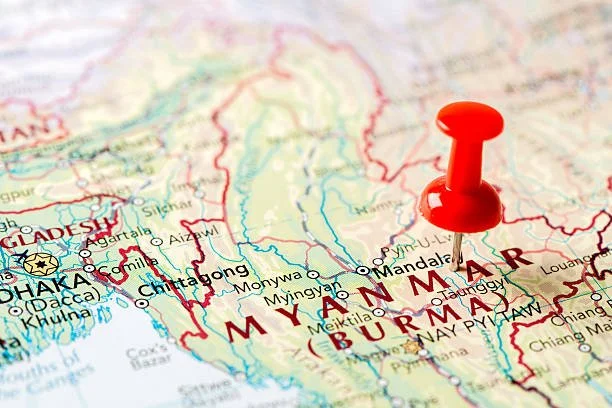
According to Thefintechtimes, Myanmar's fintech trajectory is far more complex than the standard growth narratives seen in other Asian markets. While the country possesses the foundational ingredients for digital finance—including smartphone adoption and e-commerce potential—these elements are currently operating within one of the most challenging environments in the region.
Economic pressures and infrastructure decay
Since the 2021 military takeover, Myanmar has been plagued by a combination of conflict, international sanctions, and severe currency instability. These factors have created a ripple effect across the banking and payment sectors. The World Bank's Myanmar Economic Monitor has identified several critical constraints on recovery, including:
The economic fallout from recent natural disasters has further compounded these issues, with estimated damages reaching $11 billion. This environment makes Myanmar distinct from typical fintech markets where the primary goal is expansion; here, the priority is maintaining functionality amidst strained infrastructure.
The shift toward digital wallets
Despite the instability, the formal banking system has seen a notable shift in consumer behavior. Following the 2021 crisis, many banks faced liquidity constraints and disruptions to physical branch operations. This forced individuals and businesses to seek alternatives to traditional cash-based transactions.
In this vacuum, digital wallets and mobile money services became both essential tools for survival and fragile assets. Major players like Wave Money, KBZPay, CB Pay, AYA Pay, and OnePay have played pivotal roles in providing financial access. However, the reliance on these platforms is now complicated by a lack of trust and the ongoing degradation of the nation's economic stability.
Future outlook for digital finance
Myanmar remains a lower-income economy with a GDP per capita of approximately $1,359 in 2024. While pre-crisis trends showed a promising trajectory toward financial inclusion, the current landscape is defined by necessity rather than just innovation. The success of fintech in Myanmar now depends on whether digital platforms can withstand a climate of persistent uncertainty and infrastructure failure.