 EVERYTHING


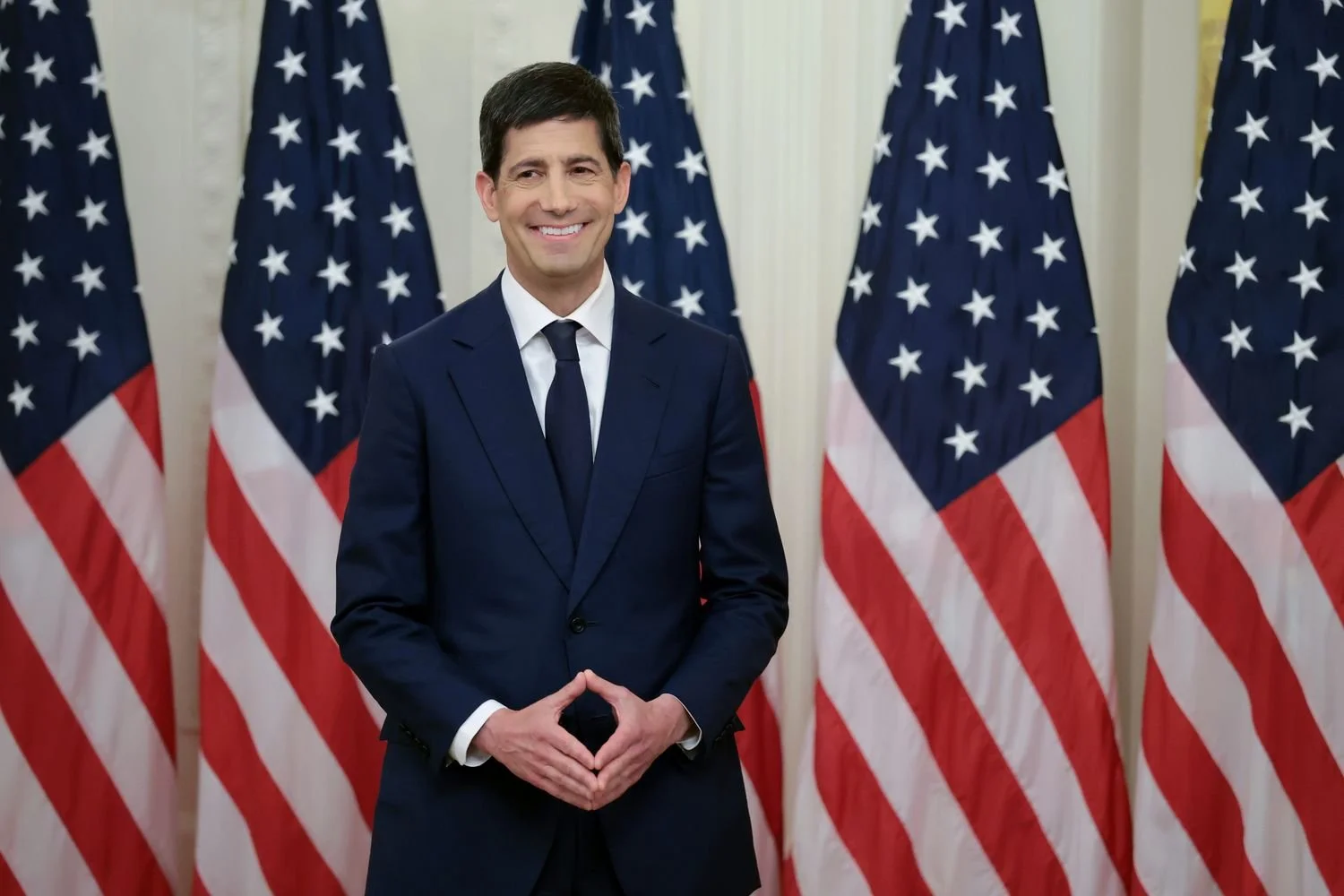
According to Investopedia, the Federal Reserve is widely expected to keep its key interest rate unchanged during its upcoming meeting as it remains in a cautious wait-and-see mode. This session marks a pivotal moment for the central bank, serving as the debut of incoming Chair Kevin Warsh, who has signaled a desire for "regime change" within the institution.
Market expectations and leadership shifts
Financial markets are currently signaling high confidence in a status quo regarding borrowing costs. Data from the CME Group's FedWatch tool indicates that there is a 96% chance that the Federal Reserve will hold the fed funds rate flat for the time being. Despite this consensus, the transition to Warsh's leadership introduces significant uncertainty regarding the long-term trajectory of American monetary policy.
Warsh assumes control at a complex juncture where the central bank must navigate several competing economic pressures. Key factors influencing his upcoming decisions include:
Debates over future rate cuts
One of the primary questions facing the new leadership is whether Warsh will advocate for lower interest rates. While he previously supported lower rates in line with certain political demands, his stance has not been publicly clarified during his recent transition period. The fed funds rate remains the primary tool for managing the economy; raising it cools spending to fight inflation, while lowering it stimulates growth when the economy weakens.
Analysts suggest that even if Warsh holds dovish views, convincing the committee to cut rates may be difficult given current data. "If a very dovish Warsh shows up, that may breathe some life into the utterly deflated prospects for a cut," — Tom Porcelli, Chief Economist at Wells Fargo Securities, noted in a recent commentary. He further cautioned that economic realities currently present a high hurdle for any immediate rate reductions.
The transition also marks a potential change in communication style. Under previous leadership, the Fed was known for telegraphing moves well in advance to avoid market shocks. It remains to be seen if Warsh will maintain this transparency or adopt a different approach to guiding public expectations during his tenure.