 EVERYTHING


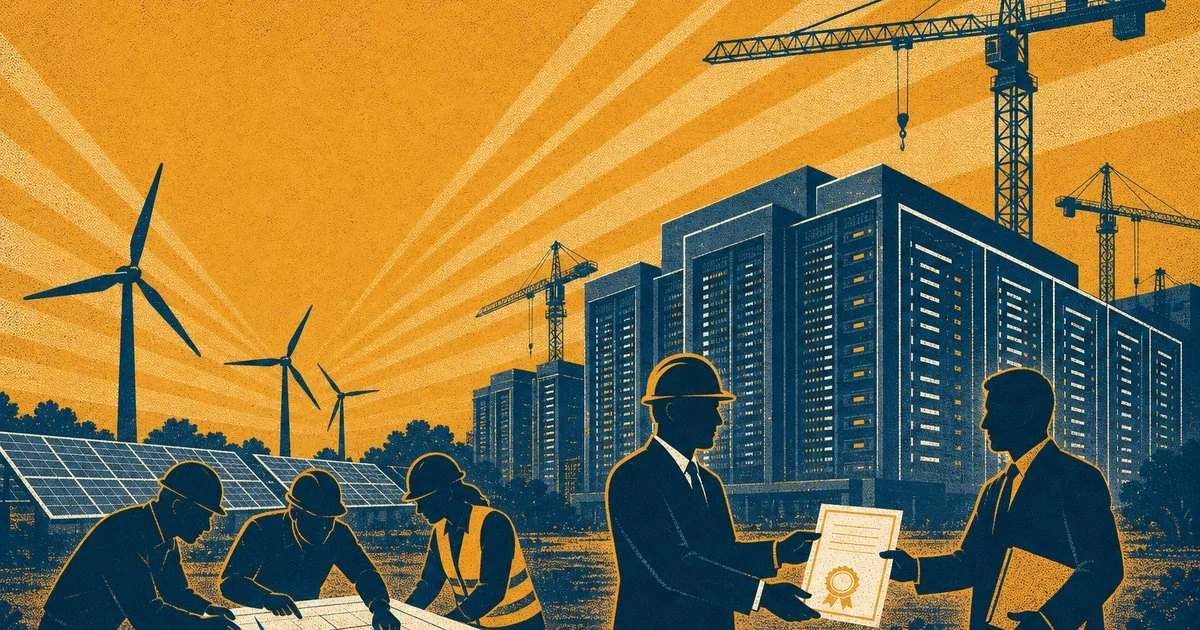
According to Marketscale, global clean energy investment exceeded $2 trillion in 2024, a milestone that marks the first time such figures have surpassed those of fossil fuel investments. This transition is no longer just a matter of corporate social responsibility but a fundamental realignment of the global energy economy driven by infrastructure needs and geopolitical stability.
Drivers of the structural shift
The acceleration toward sustainable power is being propelled by four primary pressures: decarbonization commitments, energy security priorities, investor demand for returns, and an explosion in electricity requirements from data centers. While these factors have existed individually for years, their convergence is creating a pace of change that exceeds many existing risk frameworks. Since 2022, disruptions to global fuel supply chains have forced governments to prioritize domestic, resilient generation systems over import-dependent fossil fuels.
Regulatory environments are further reinforcing these economic shifts. For example:
Data centers and the demand for firm power
Hyperscale data center operators are fundamentally changing how they procure electricity. Rather than purchasing annual renewable energy credits, leading firms are moving toward hourly clean energy matching. This requires real-time verification that consumption aligns with actual production, creating a more complex demand signal for grid operators.
Because hourly matching highlights the variability of wind and solar, it is driving significant capital into technologies capable of providing firm, low-carbon baseload power. The International Energy Agency (IEA) notes that hyperscalers are now directing substantial capital toward advanced nuclear options, including small modular reactors, as well as geothermal energy. These sources provide the consistent output necessary to meet the rigorous demands of modern AI and data infrastructure.
As solar and wind continue to grow their share of global electricity generation at record paces, the focus is shifting toward the underlying infrastructure required to stabilize these sources. This evolution ensures that clean energy remains a reliable backbone for both industrial growth and national security interests.