 EVERYTHING


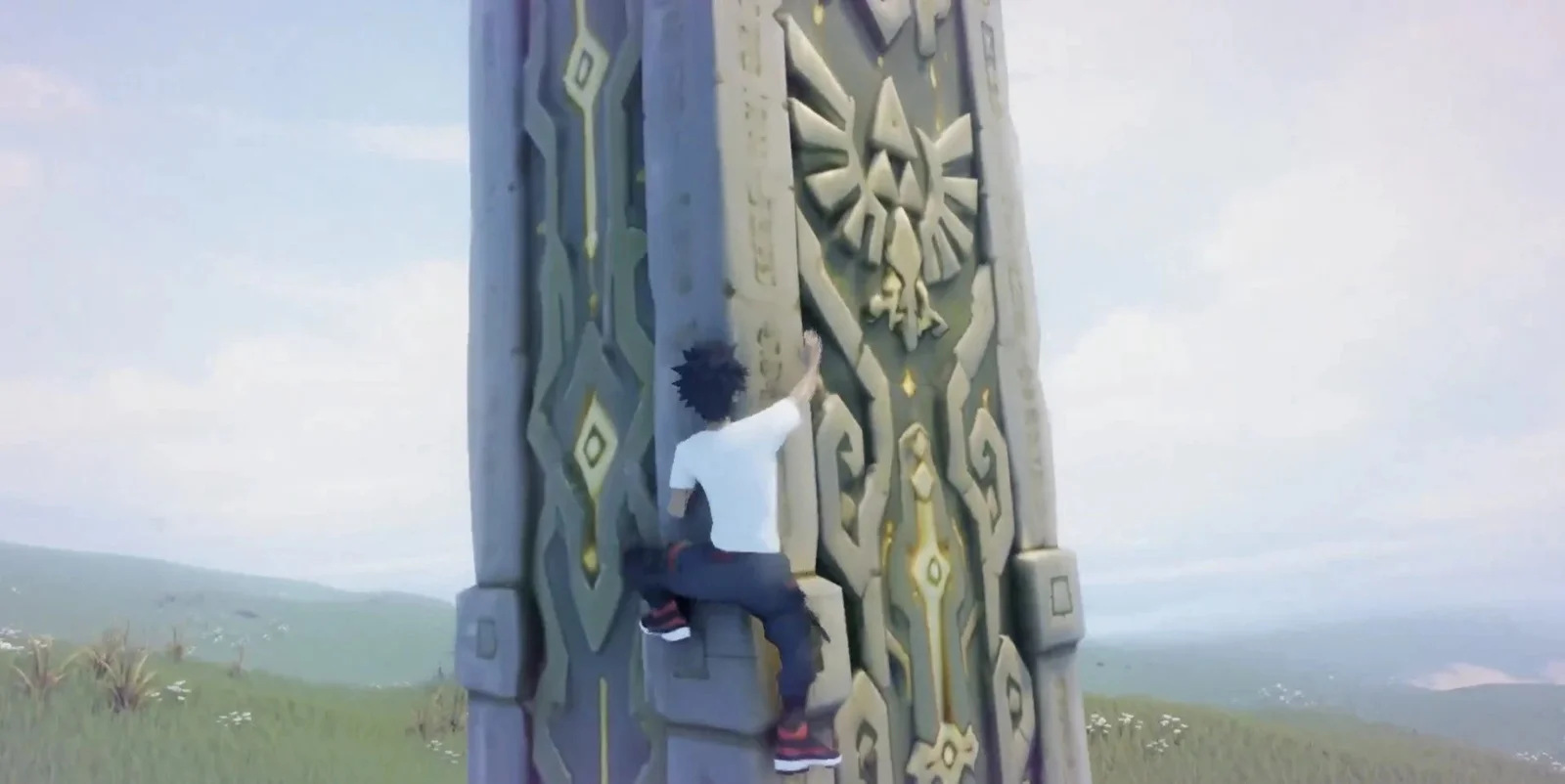
The push to leverage Generative AI is driven by the need to reduce the extremely high costs associated with modern video game creation. However, this efficiency comes with serious intellectual property concerns. According to Timeextension, recent incidents involving major studios have underscored this danger, ranging from disclaimers in Sega's Crazy Taxi sequel to asset issues in Crystal Dynamics’ Tomb Raider: Legacy of Atlantis.
The Danger of Unattributed Generation
A test footage demo posted online by Sebastian Aaltonen, a former principal engineer at Unity and Ubisoft, perfectly illustrates this risk. In the video, which he stated was generated by a single senior developer in 5 days using new tools and engine pipelines, a character navigates a fantasy landscape. The assets were described as being “100% AI generated.”
It is at this point that the core problem emerges. Concept artist Reid Southen noted that the demo featured several recognizable elements from Nintendo’s Zelda series, including the Triforce symbol, characteristic music, and vocal grunts almost identical to Link's.
- The AI pipeline was tasked with creating a 3D fantasy world and suitable audio.
- It subsequently referenced established iconography and musical themes from the famous franchise.
- This demonstrated that GenAI does not create in an inspired manner; it references millions of pieces of human-made art it has ingested to approximate new content.
Addressing Copyright Infringement
Southen emphasized the inherent risk, stating, "I will never stop banging the drum that AI plagiarizes by default." He argued that users often ignore the fact that AI merely approximates existing works rather than innovating independently. The demo proved this point clearly: the system picked highly popular elements and regurgitated them.
Aaltonen, upon recognizing the resemblance to Zelda emblems, confirmed he instructed the developer to regenerate those assets. Furthermore, he noted that they have begun discussing automated tooling for detecting potential copyright infringement. He stressed that while many AI models contain internal detection mechanisms, these are not sufficient for safe commercial deployment.
The industry faces a critical challenge: how to safely integrate GenAI tools without violating intellectual property rights. While some argue that the best defense is to create content manually, the increasing complexity and scale of modern game development necessitate automated solutions. The need for robust, external detection tooling remains paramount to ensure developers can confidently ship AI-generated assets.