 EVERYTHING


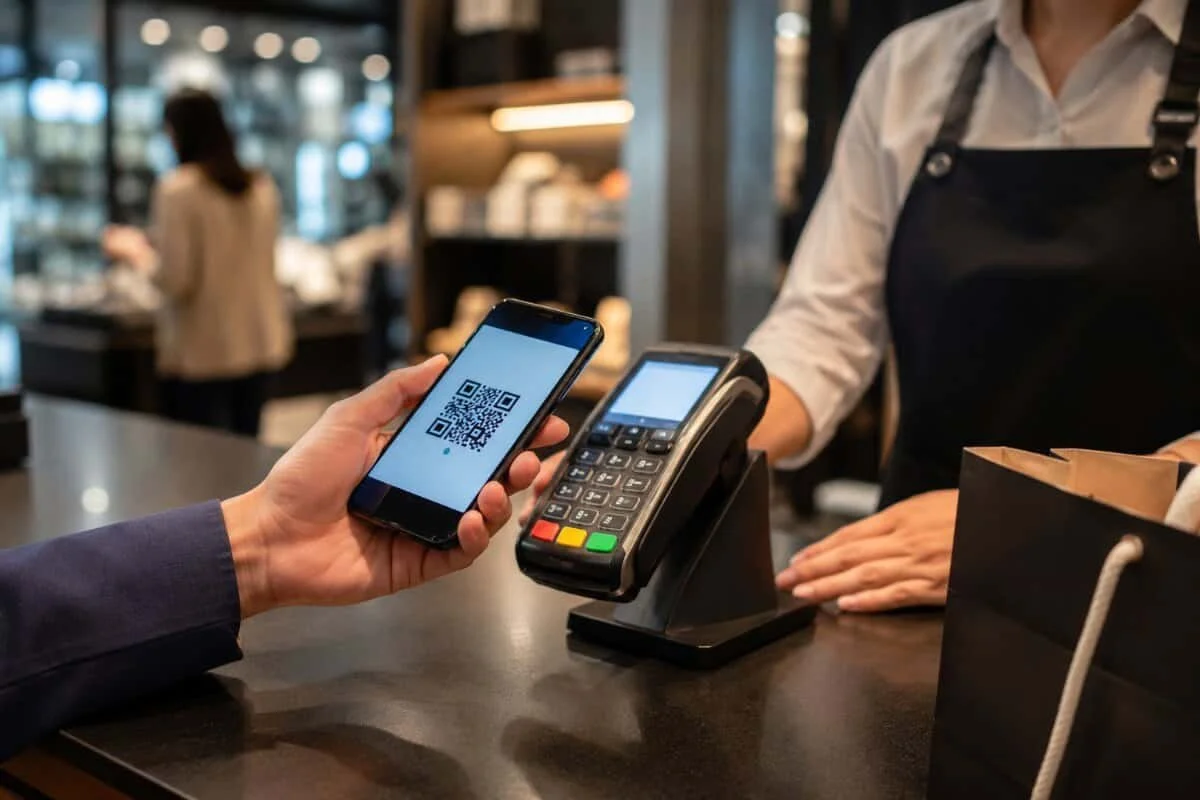
According to Travelandtourworld, South Korea is strengthening its position in travel fintech with the advancement of a QR-to-card payment conversion patent by Travel Wallet. This technology aims to enable digital payment information from mobile apps to function smoothly through existing card payment systems. The development addresses a core challenge: modern travelers require simple and fast payment methods, while merchants often need solutions that avoid costly upgrades to their current terminals.
Bridging Mobile Wallets and Card Infrastructure
The concept is straightforward for the end-user. A traveler’s mobile application can display payment details via a QR code or barcode. The conversion system then translates this digital signal into a card-style transaction process, allowing a standard card terminal to read the purchase in a familiar manner. For businesses, the value lies in continuity and scalability. By connecting new mobile formats with established card infrastructure, friction is reduced across various points of sale.
This integration is crucial for the travel industry, where tourists move constantly between diverse locations—airports, hotels, restaurants, and duty-free stores. A payment technology that ensures easier acceptance at every stop improves the overall customer journey significantly.
Travel Wallet’s Global Scale and Market Position
Travel Wallet has grown into a prominent borderless payment service within South Korea's robust digital economy. The company operates from Seoul, identifying itself as Travel Wallet Co., Ltd., and offers a platform supporting 46 currencies with fee-free global payments. Its operational scale underscores the importance of this patent.
As of February 2025, the company reported substantial activity:
- More than 7.4 million issued cards
- Over USD 6.2 billion in total transactions
This growth reflects a broader shift where travelers are moving away from relying solely on cash exchange counters or traditional credit cards. They now expect unified mobile solutions to manage foreign currency, refunds, transfers, and payments through one app and card.
The Technical Significance of Conversion
The patent’s focus goes beyond merely scanning a QR code; it centers on the conversion of digital payment authentication information into a format that can be processed by existing card networks. This system acts as a vital bridge between two distinct worlds: the mobile-first environment (using QR codes and app identifiers) and the traditional card payment world (relying on established terminals). The key benefit is simplifying the merchant experience, eliminating the need for separate payment rails or acceptance networks just to process digital travel payments.
This innovation aligns with South Korea's supportive fintech policy environment, which actively encourages open banking, regulatory testing, and advanced digital financial services. Ultimately, this technology enhances global commerce by making cross-border transactions faster, more reliable, and universally accessible across the tourism sector. The ability to seamlessly convert mobile data into card processing capability positions Travel Wallet as a key player in the future of international finance.