 EVERYTHING


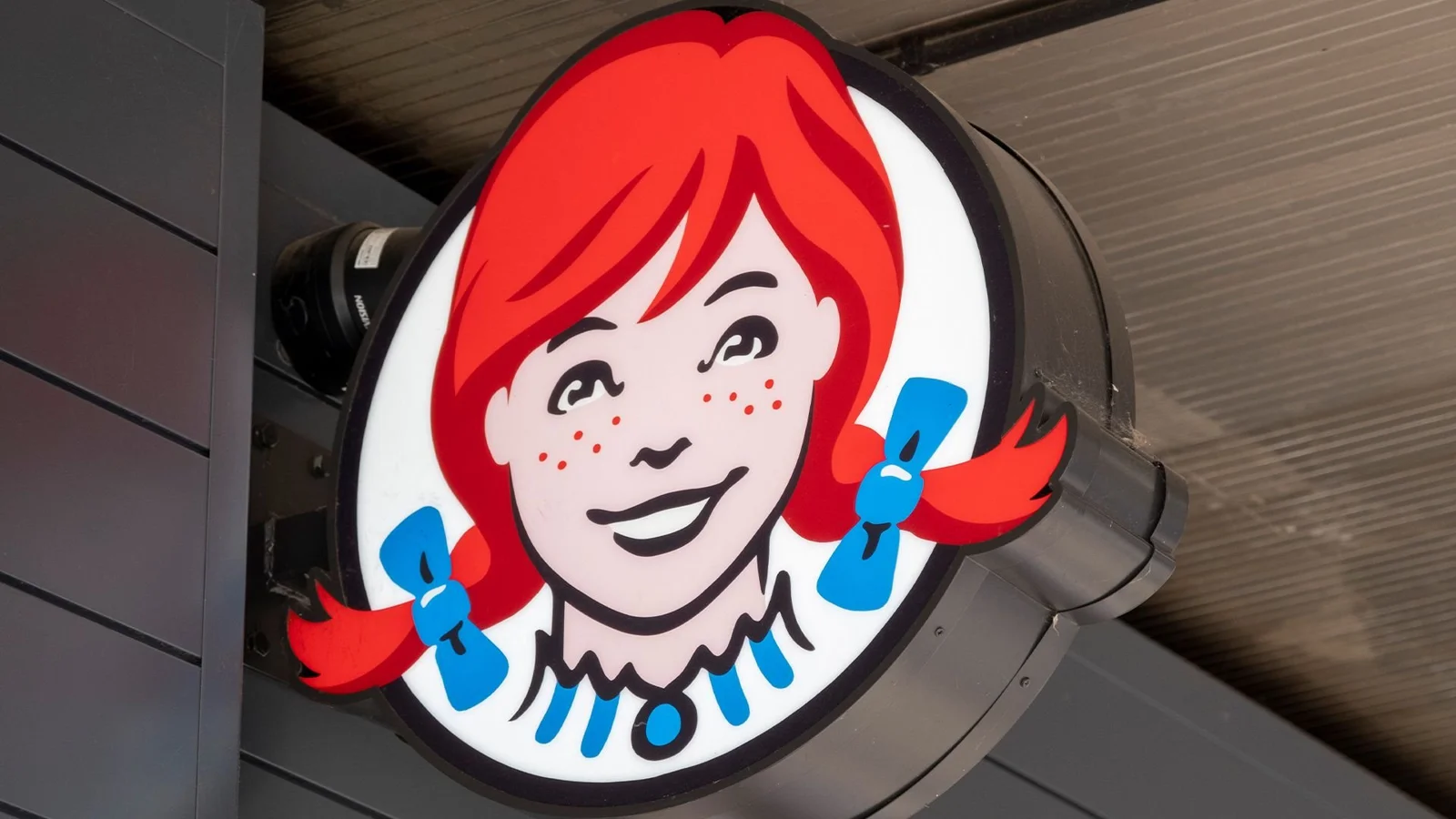
Fast-food giant Wendy's is implementing a radical visual transformation across its global franchises with the introduction of its 'Future Fresh' initiative. This overhaul involves abandoning the vibrant red that has long been tied to the brand’s iconic mascot, opting instead for a new light blue color scheme. According to Creativebloq, this shift represents a significant departure from established food industry norms, where warm colors like red are traditionally used to stimulate hunger and draw customer attention.
The Design Challenge of Color Theory
From a design perspective, the move is considered a cardinal sin by some critics. Red hues are psychologically linked to appetite and urgency—a vital component for any culinary brand. Conversely, blue tones often convey coolness, calmness, or even coldness, which can have an opposite effect on customers' subconscious perception of food. This willingness to embrace a non-traditional palette suggests that Wendy's is prioritizing market differentiation over conventional psychological triggers.
Modernizing the Customer Experience
The aesthetic change extends far beyond just the paint color. The new blue restaurants are being designed with 'digital-first' layouts, signaling a comprehensive modernization of the customer journey. This updated environment incorporates several key elements aimed at enhancing loyalty and efficiency:
- Ordering screens integrated into the dining area.
- Modernized customer experience flows.
- Advanced customer loyalty programs to retain patrons.
This focus on digital integration positions Wendy's not just as a food provider, but as a technologically advanced retail destination. CFO Ken Cook suggested that this strategic color change would enable the brand to stand out effectively among major competitors in a crowded market.
Strategic Differentiation in a Saturated Market
The fast-food sector is highly saturated, with established players like McDonald's and KFC maintaining strong visual identities. By adopting a blue scheme—a palette not commonly associated with quick service dining—Wendy's attempts to carve out a unique space. While the risk of alienating customers accustomed to the classic red branding is present, the reward could be increased visibility and a stronger identity in an increasingly competitive global landscape. The successful execution of this design pivot will depend heavily on how effectively the new digital-first experience complements the unexpected color choice.
Ultimately, Wendy's transition demonstrates that for legacy brands seeking relevance, aesthetic modernization must often involve calculated risks to redefine their place within a rapidly evolving consumer culture.