 EVERYTHING


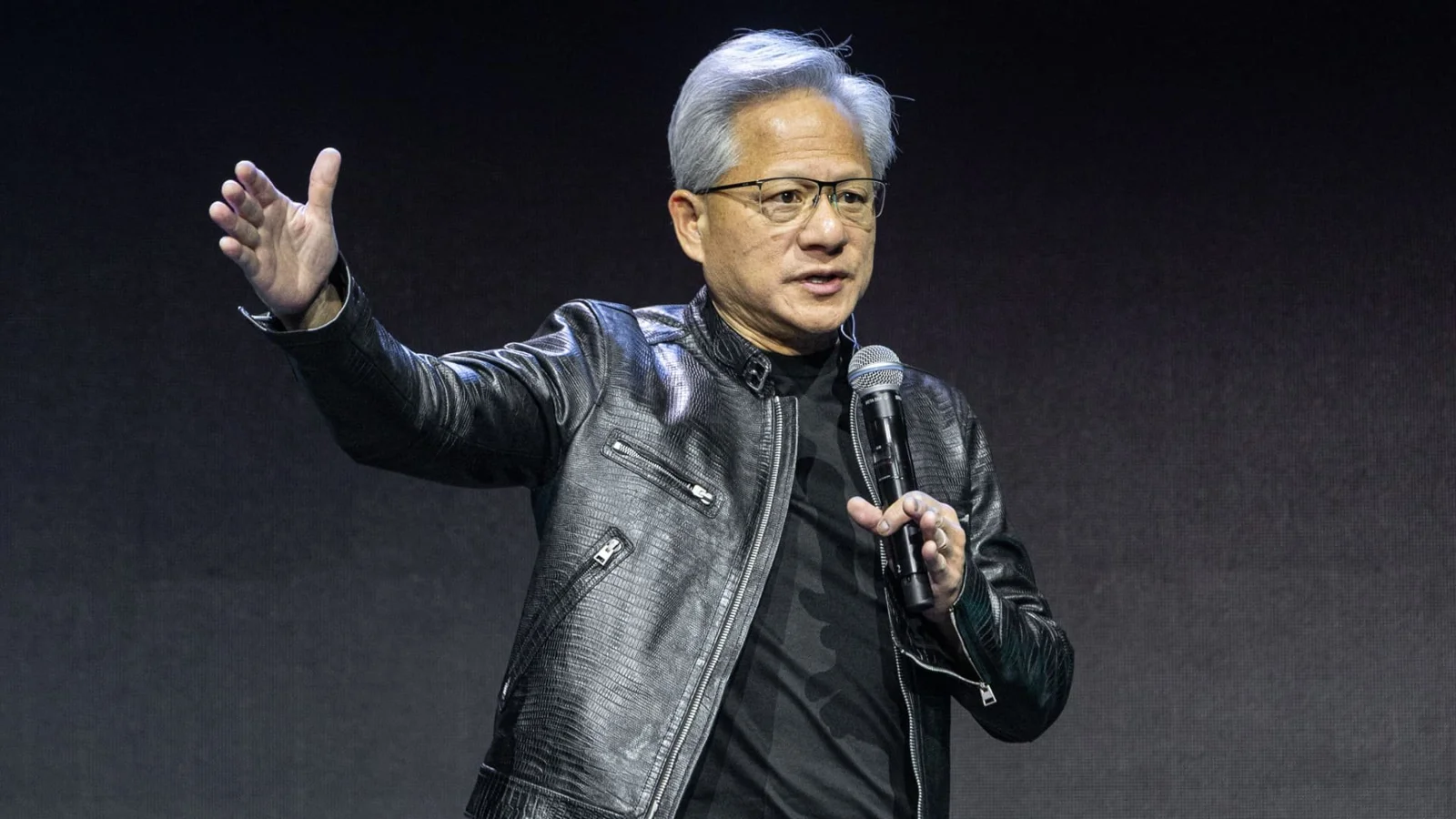
Nvidia CEO Jensen Huang has declined an invitation from Senator Elizabeth Warren to testify before the Senate Banking Committee this Thursday, as lawmakers intensify their examination of the chipmaker's China business. The hearing was intended to address American AI development, innovation, affordability, and U.S. technological dominance.
According to CNBC, Warren had requested Huang discuss Nvidia’s presence in China and provide his views on current U.S. export controls that regulate the sale of advanced American technology abroad. Huang stated he would be “unable to attend.” The exchange highlights growing pressure facing Nvidia in Washington as policymakers debate whether cutting-edge AI chips should be sold broadly globally or tightly restricted to prevent them from reaching China and other U.S. rivals.
Congressional Pressure on Tech Giants
Senator Warren criticized the CEO’s decision, stating that “the American people deserve answers in a public forum.” She emphasized Nvidia's central role in national policy discussions regarding artificial intelligence, economic competition, and national security. Furthermore, she questioned Huang’s priorities, noting: “If Mr. Huang has time to attend a $1 million-a-head dinner at Mar-a-Lago and fly across the world to meet with President Xi Jinping of China, he should be able to find time to answer questions from Congress.”
Huang’s Defense of American Innovation
In his letter declining the invitation—titled “AI and the American Dream: Promoting Innovation, Affordability, and American Dominance”—Huang expressed appreciation for the committee's focus on the issue. He defended Nvidia’s commitment to U.S. technological leadership, noting that the company designed, built, and delivered the first AI supercomputer to American researchers over a decade ago. Huang added: “Since that time, we have been dedicated to keeping American researchers, academics, startups, and businesses at the forefront of AI-related technologies.” He offered an alternative, welcoming Warren or any committee member to Nvidia's headquarters in Santa Clara, California, for a private discussion about their technology and the American AI ecosystem.
The China Market Debate
Huang has previously advocated for greater market access for U.S. companies abroad. In December, he told reporters that U.S. officials should ensure that American companies have “the best and the most and first,” while also adding: “we should offer the most competitive chips we can to the Chinese market.” This stance drew sharp criticism from Senator Warren at the time, who argued that Huang's lobbying efforts could potentially turbocharge China's military capabilities and undermine American technological leadership. The ongoing debate pits corporate interests in global expansion against national security imperatives.
The standoff underscores a critical juncture where geopolitical strategy directly intersects with the operational decisions of the world’s most powerful AI hardware providers, determining the trajectory of both U.S. tech supremacy and international trade relations.