 EVERYTHING


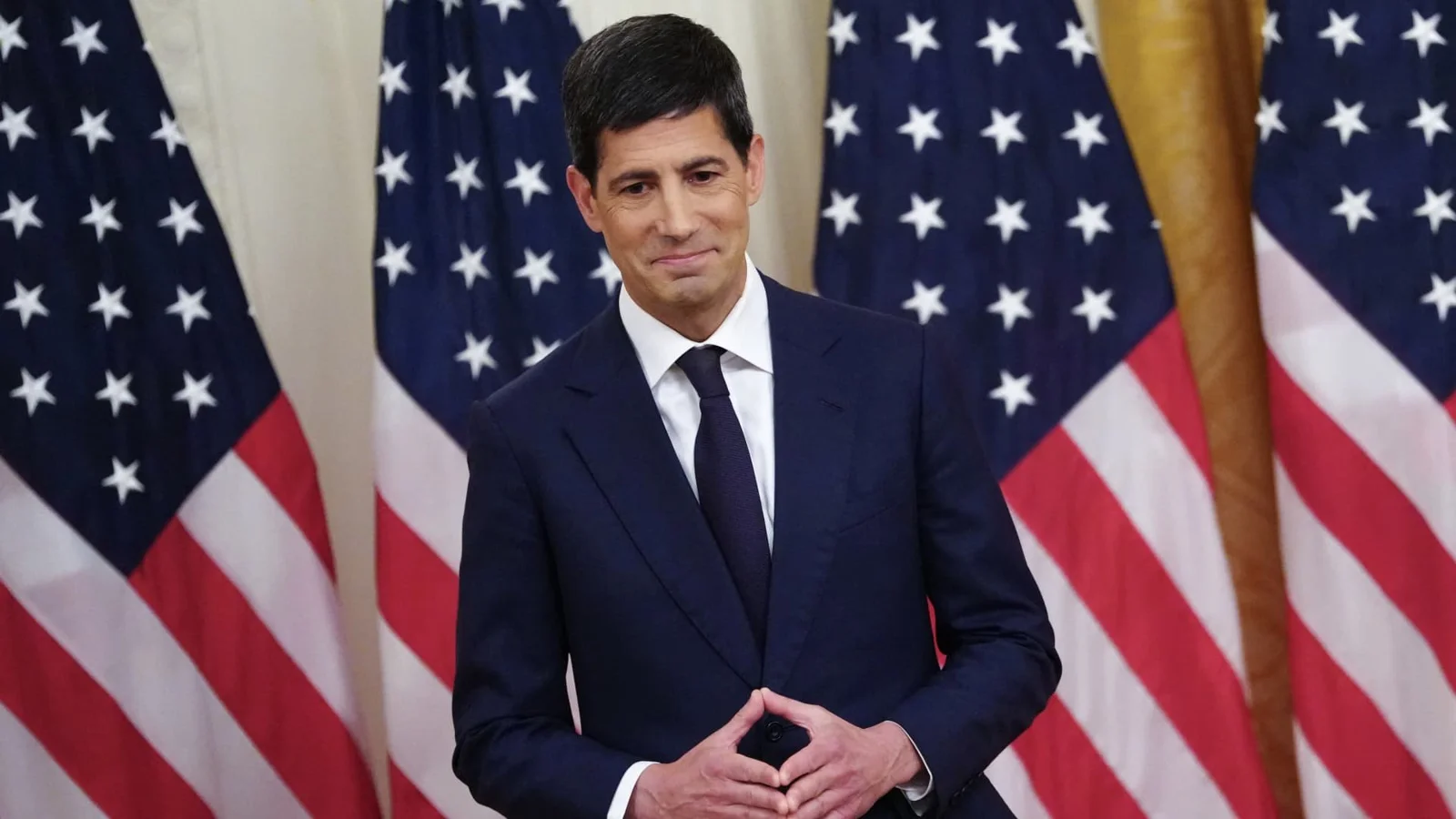
According to CNBC, markets are entering an era of uncertainty as Kevin Warsh prepares to lead the Federal Reserve for the first time. While his specific stance on current inflation and job growth remains largely opaque, his broader philosophy regarding how the Fed interacts with the public is becoming clear. Warsh has expressed significant criticism of previous communication strategies, arguing that frequent updates have placed the central bank too much at the center of market decisions.
A shift toward reduced frequency
Warsh advocates for a "regime change" in how monetary policy is forecasted and discussed. He believes that constant public commentary can lead to policy errors by creating unnecessary market volatility. During his confirmation hearing, he suggested that truth-seeking should take precedence over the repetition of data points during press conferences.
Key elements of Warsh's proposed communication overhaul include:
- Reducing the frequency of official press conferences and public statements.
- Moving away from "Fed speak" where every word is parsed by high-frequency traders.
- Focusing on delivering important news rather than constant updates on minor data fluctuations.
- Encouraging robust internal debate among FOMC members rather than pre-meeting consensus building.
Historical context and market impact
This approach is not entirely new to Warsh. In 2014, he led an internal review of the Bank of England's communications strategy, where he argued that a monthly meeting schedule was "sub-optimal." He recommended reducing their annual meetings from 12 to eight, noting that the economic landscape typically changes slowly enough that four-week intervals are rarely necessary for policy adjustments.
However, this move toward silence is not without risk. Experts warn that a sudden reduction in transparency could lead to increased market volatility. While Warsh wants to minimize "swivel chair" rhetoric—where leaders wax and wane based on the latest data release—he faces the challenge of controlling the independent voices of 12 regional Fed bank presidents who may continue to speak publicly regardless of his internal policies.
The immediate focus for investors will be whether Warsh maintains the "easing bias" in policy statements, which currently signals a preference for rate cuts. While he may not rule out hikes, his primary goal appears to be a more deliberate, less telegraphic style of governance that prioritizes internal deliberation over external signaling.