 EVERYTHING


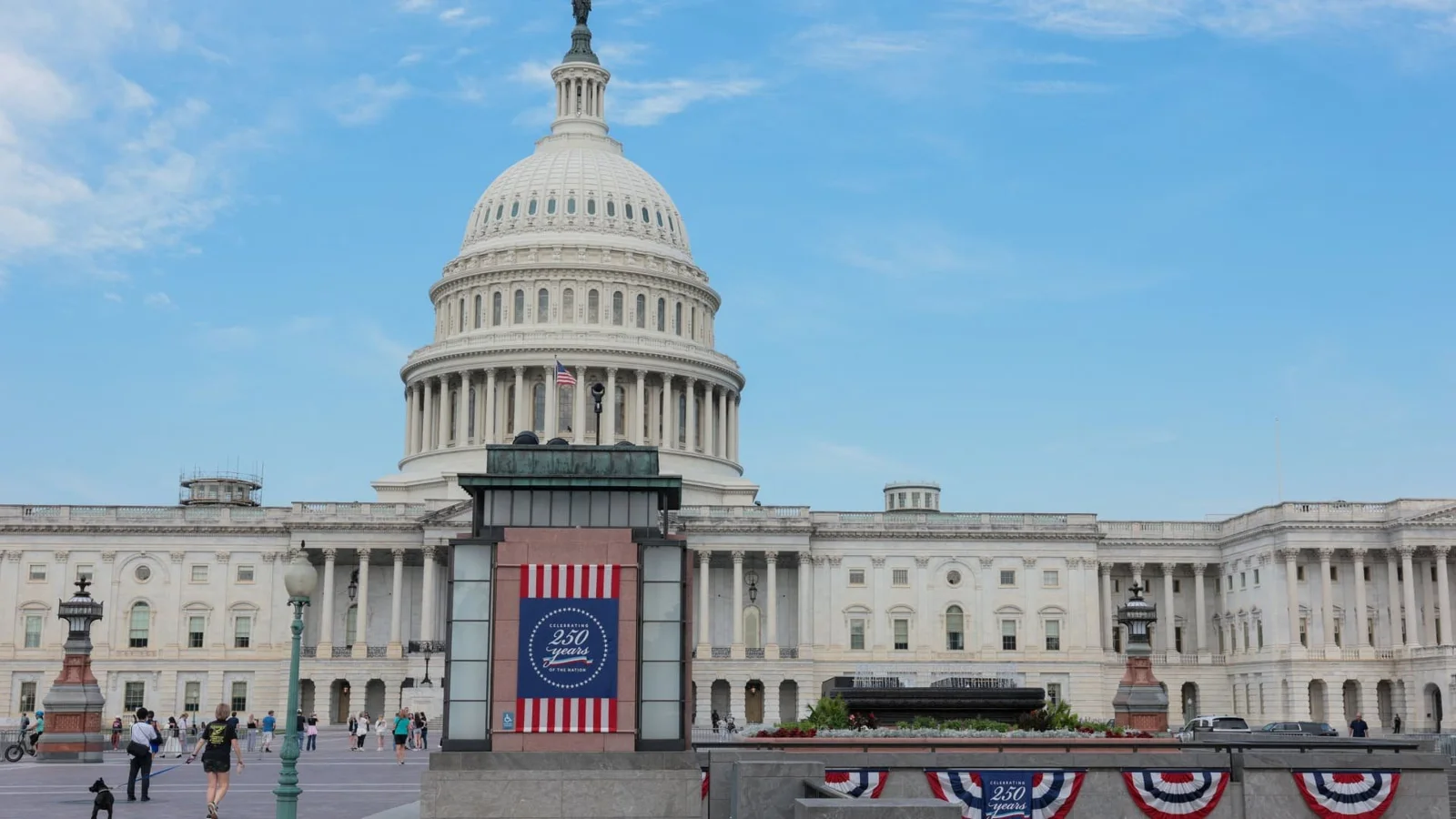
According to CNBC, new research from George Mason University's Mercatus Center highlights an accelerating timeline for the depletion of the Social Security Old-Age and Survivors Insurance (OASI) trust fund. The findings suggest that delaying legislative reform until the funds are exhausted could trigger severe economic consequences by forcing the government into massive deficit spending.
Accelerating depletion timelines
The annual Social Security trustees report indicates a tightening window for action, projecting that the OASI trust fund may be depleted in the fourth quarter of 2032. This date is three months earlier than previous estimates. At that juncture, the system would only be able to pay out approximately 78% of scheduled benefits from its dedicated reserves.
While lawmakers have the option to combine trust funds to extend the depletion date to the third quarter of 2034—at which point 83% of benefits would be payable—researchers argue this is merely a temporary reprieve. The underlying fiscal imbalance remains unaddressed, creating what analysts describe as an impending inflection point for the national economy.
Risks to the bond market and debt
The primary concern cited by researchers is the shift from a self-financed contributory program to one reliant on general revenue. Because Social Security is currently funded through payroll taxes and interest on previous surpluses, moving to a deficit-funded model would necessitate significant new borrowing. The Committee for a Responsible Federal Budget warns that this transition could open the floodgates to unsustainable debt levels.
Key risks identified by experts include:
- Increased fiscal risk as the government seeks to cover annual shortfalls, which may reach $700 billion by 2036.
- Potential strain on Treasury markets as investors react to the need for rapid, large-scale borrowing.
- The necessity of redeeming long-term securities prior to maturity to meet immediate benefit obligations.
- A potential tipping point where the bond market demands immediate legislative action to stabilize the system.
"We view the impending depletion of the Social Security OASI trust fund in the early 2030s as the inflection point that could lead to a fiscal crisis if legislative action is not taken beforehand," wrote co-authors Veronique de Rugy and Jason Fichtner. The research underscores that while the system has functioned for decades, the transition to general revenue spending without a clear funding plan poses a systemic threat to U.S. financial stability.