 EVERYTHING


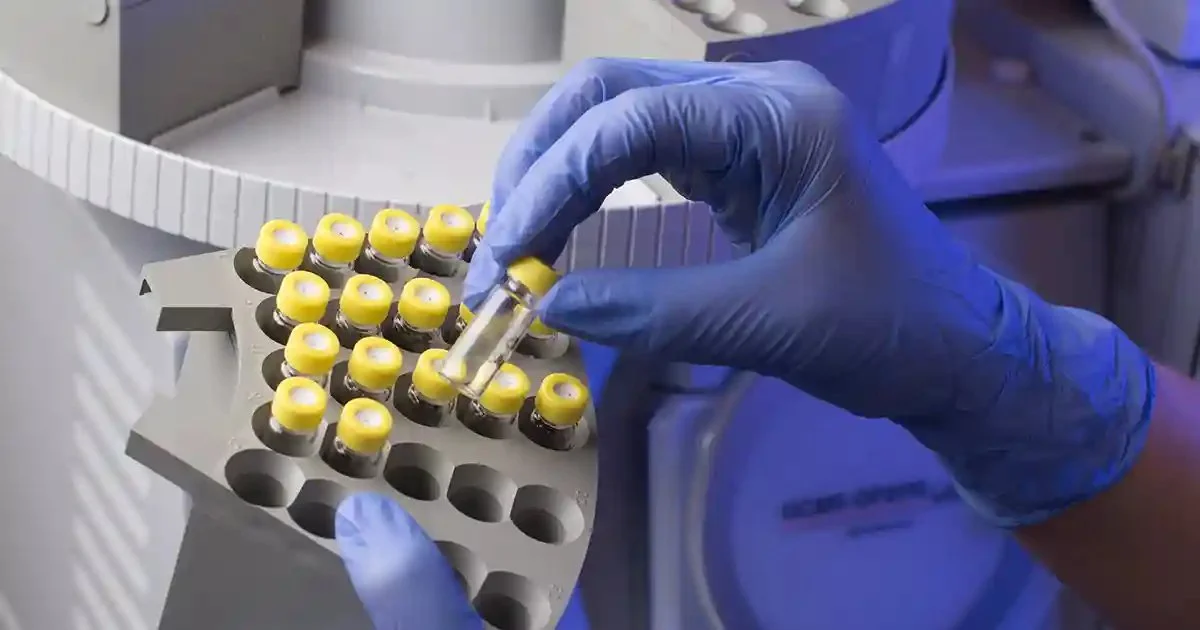
Chemistry is a foundational element of human existence, influencing how we understand the world and create countless everyday products. Industrial chemists play a vital role in this process by designing chemical formulas that are safe for consumption and suitable for large-scale manufacturing. Ian Steinke, an alumnus of Ferris State University’s Industrial Chemistry program, notes that these applications are pervasive: "When I think about the things I use most often – plastics, pharmaceuticals, personal care products, even the screen on my phone – everyone depends on industrial chemistry. It’s what bridges scientific theory and something people can actually use."
From Lab Bench to Marketplace
The process does not end with formula creation; it requires rigorous testing and refinement to guarantee product purity before mass production begins. Emy Jordan, another Ferris State alum, emphasizes the importance of quality control: "Testing for purity of the product makes a big difference by ensuring you are making the product correctly through each step."
The complexity is often invisible to the consumer. For instance, mascara appears as a simple cosmetic but is actually a carefully balanced mixture of various chemical compounds, polymers, preservatives, and thickening waxes. Steinke elaborates on this precision: "The production of polymers, pigments, coatings, and preservatives is all the result of precise chemical innovation on a large scale."
Societal Impact Through Chemical Innovation
The influence of industrial chemistry extends far beyond cosmetics, touching critical areas like public health and environmental sustainability. Clean drinking water in the United States, for example, relies heavily on complex industrial chemical processes to treat groundwater, lakes, or rivers.
Beyond water treatment, everyday items demonstrate this discipline's reach. Toothpaste is a prime example; it is a blend of chemicals where fluoride strengthens tooth enamel and abrasives like calcium carbonate remove plaque. Industrial chemistry shapes numerous modern processes that define daily life. Steinke summarizes its societal function: "I see it as the part of chemistry that most directly serves society–it turns knowledge into impact."
- Pharmaceuticals provide reliable medications necessary for global health.
- Modern materials enable advanced construction and technology.
- Sustainable fuels are developed through chemical innovation to address energy needs.
Ferris State’s Industrial Chemistry program is designed to prepare students with the practical experience needed for this field. Steinke highlights that his degree provided a strong foundation, but more importantly, it taught him how to apply knowledge to solve real-world problems. Jordan echoed this sentiment, noting her education gave her both theoretical understanding and hands-on testing experience.
Ultimately, industrial chemistry transforms abstract scientific concepts into tangible solutions, driving the technological and material progress that characterizes modern society.