 EVERYTHING


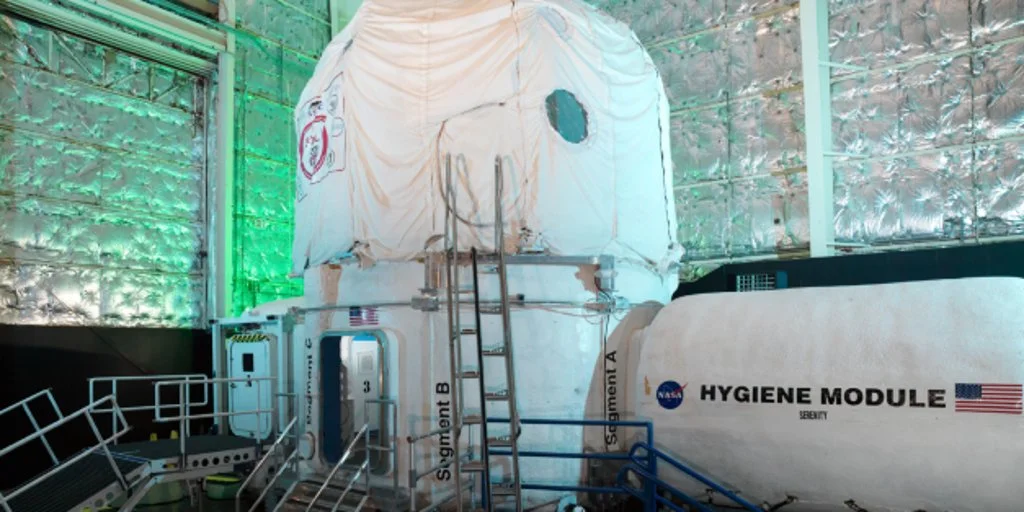
According to Foxweather, NASA is seeking dedicated individuals to join the Moon and Mars Exploration Analog mission. This ambitious project will require participants to live and work in confined conditions for a full year, mimicking the rigors of deep-space travel and planetary surface operations. The simulation serves as a vital testing ground for the psychological and physical demands of long-duration spaceflight.
Integrated research and facility design
The mission represents a significant evolution in terrestrial analogs by combining elements from two previous programs: HERA (Human Exploration Research Analog) and CHAPEA (Crew Health and Performance Exploration Analog). By integrating these into a single campaign, NASA intends to create a more comprehensive evaluation of human performance. The results gathered from this year-long experiment are expected to directly inform the development of a sustained lunar presence and future Artemis missions.
To achieve this, researchers will utilize two distinct facilities located at the Johnson Space Center in Houston:
Testing human limits in deep space
The simulation is structured to test how crews manage limited resources while performing complex tasks under high-stress conditions. Participants will experience the transition from a transit environment—mimicking travel away from Earth—to a surface habitat where they must maintain life support and perform scientific duties. This dual-phase approach allows scientists to observe behavioral changes, communication patterns, and physical health over an extended period.
By validating these human factors on Earth, NASA hopes to mitigate risks associated with the isolation of deep space. The project provides a streamlined method for evaluating crew adaptation across various mission scenarios before actual hardware is deployed to the Moon or Mars. This research remains a cornerstone for ensuring the safety and success of humanity's next steps into the solar system.