 EVERYTHING


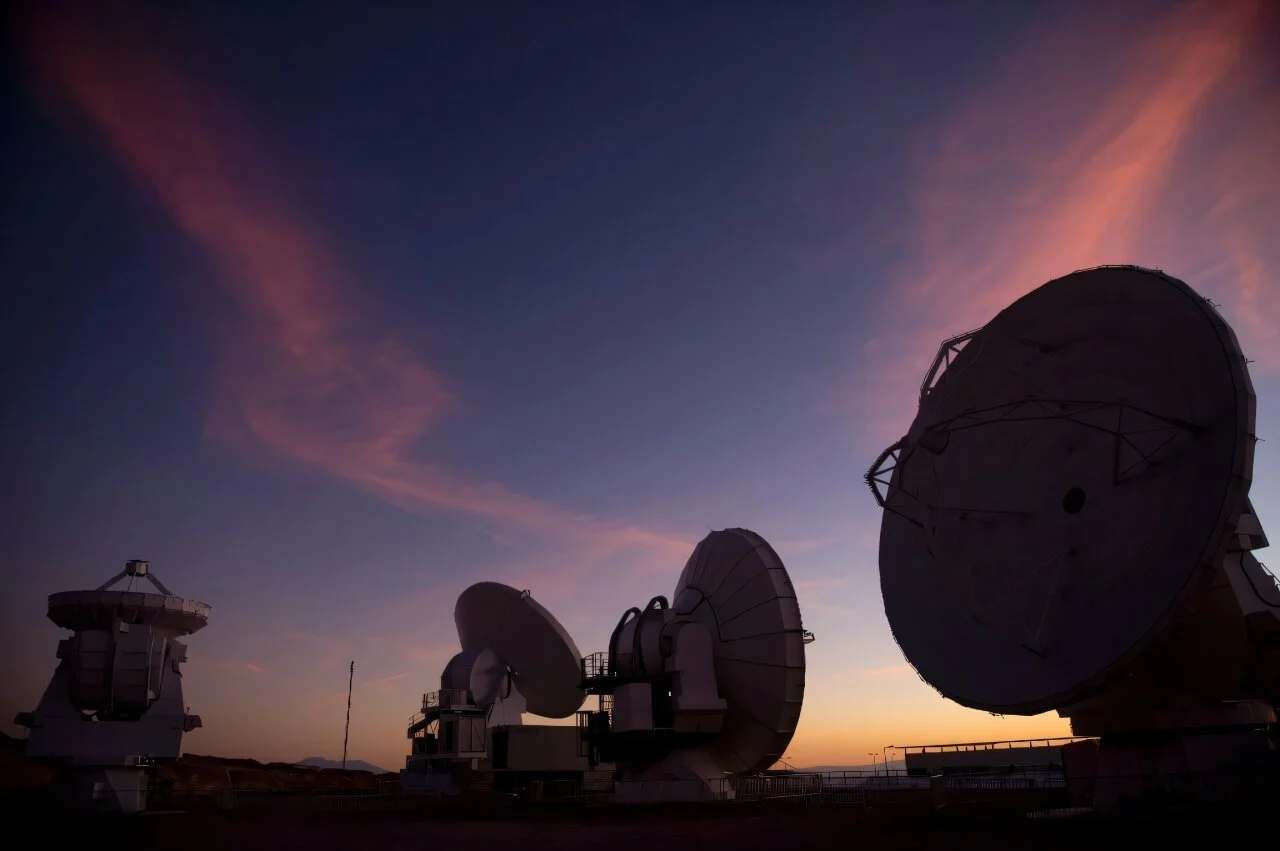
According to Phys, a recent study conducted by the European Southern Observatory (ESO) highlights an impending crisis for celestial observation. The research warns that the rapid expansion of satellite networks represents an existential threat to telescopes, as the sheer volume of hardware will significantly increase the brightness of the night sky.
The scale of orbital expansion
While there are currently approximately 14,000 satellites orbiting our planet, the numbers are projected to surge exponentially. Major projects from companies like SpaceX aim to deploy over 1 million satellites by 2028 to support artificial intelligence infrastructure. When combined with other initiatives such as E-Space's Cinnamon plans and Chinese constellations CTC-1 and CTC-2, the total could reach 1.7 million units.
The study identifies several key factors contributing to this orbital congestion:
- SpaceX's goal of launching over 1 million satellites by 2028 for AI data centers.
- E-Space and Chinese projects adding hundreds of thousands of additional units.
- Reflect Orbital's plan to launch 50,000 massive satellites equipped with giant mirrors.
- The cumulative effect of these objects creating a permanent "light blanket" over the globe.
Impact on ground-based observation
The research suggests that the Reflect Orbital project is particularly concerning because its mirrors could scatter light to make each satellite as bright as Venus. ESO astronomer Olivier Hainaut, who led the study published in Astronomy & Astrophysics, noted that these satellites would render almost all images from the Vera C. Rubin Observatory unusable. He warned that even remote locations like the Sahara Desert would lose their clear skies, resembling suburban environments instead.
Hainaut emphasized the severity of the transition from current levels to millions of objects. "But if we go from 14,000 to 1.7 million, we are really going to have problems," he stated. The researchers proposed a maximum limit of 100,000 satellites and urged that any orbiting hardware be designed to remain invisible to the naked eye.
Regulatory hurdles and corporate responses
The future of these constellations currently rests with the U.S. Federal Communications Commission (FCC), which is reviewing applications from major aerospace firms. While Reflect Orbital has stated they will systematically avoid redirecting light near observatories, the scientific community remains concerned about the cumulative brightness increase, which could make the night sky up to four times brighter in certain regions.