 EVERYTHING


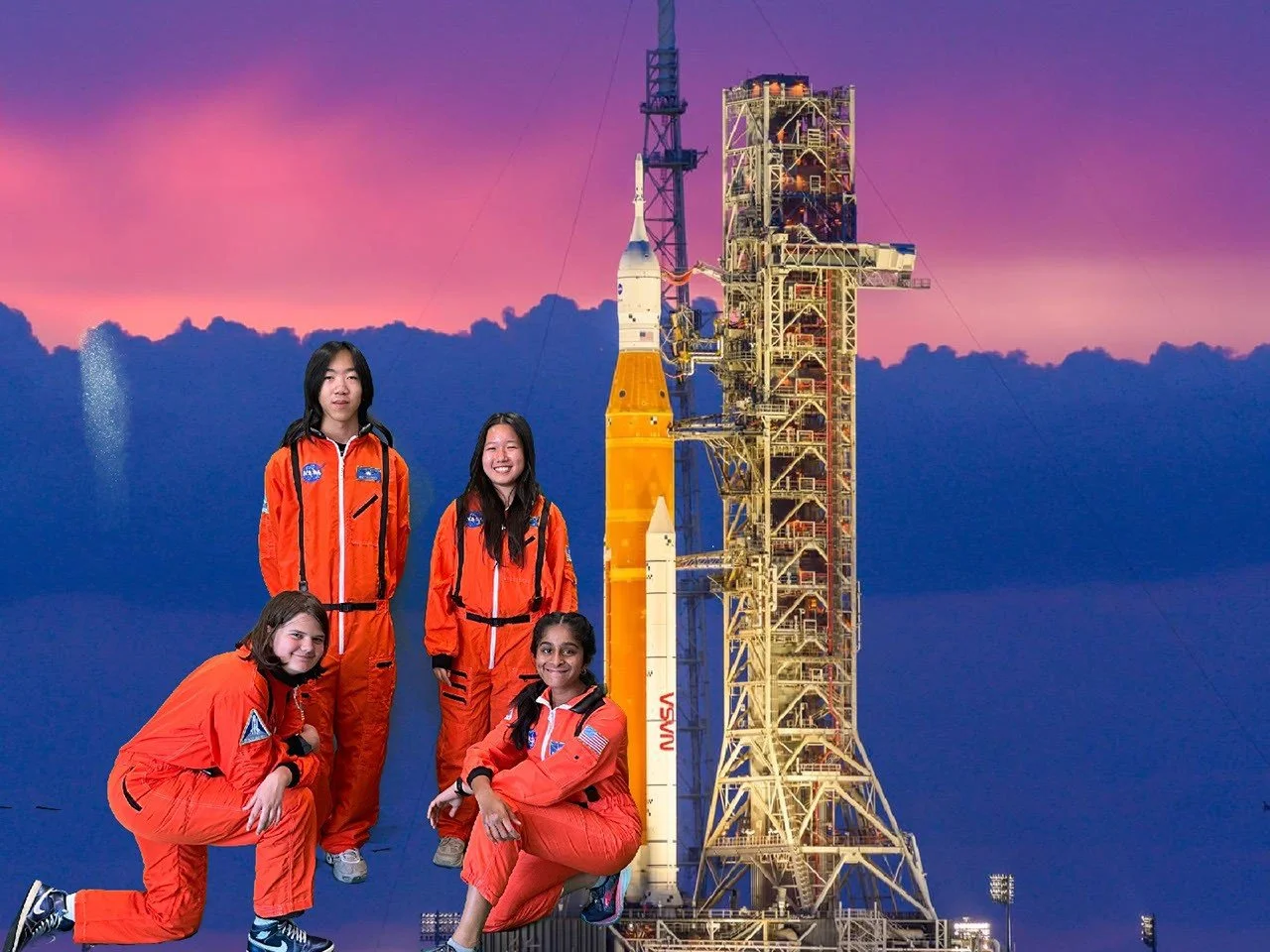
According to Science, the Northwest Earth and Space Science Pathways (NESSP) project has concluded its 2025–2026 ROADS (Rover Observation And Discoveries in Space) from Earth to Venus National Challenge. The initiative successfully engaged a diverse group of students from upper elementary through high school levels in rigorous STEM activities designed to mirror the real-world workflows of NASA scientists and engineers.
Collaborative mission objectives and skills
The ROADS framework required teams to work collaboratively on eight specific Mission Objectives throughout the academic year. These tasks were designed to build technical proficiency while fostering communication and teamwork among participants. Students were required to maintain detailed Mission Development Logs, which served as a primary metric for evaluating their progress and scientific reasoning.
Key activities included:
- Modeling carbon movement on both Earth and Venus to understand the greenhouse effect.
- Collecting remote sensing data using specialized kite-mounted cameras.
- Programming robotic rovers to navigate simulated Venusian terrain.
- Designing mission patches and documenting final mission stories through virtual submissions.
- Exploring various NASA-related career paths in science and engineering.
In-person hub events and community engagement
While much of the challenge was conducted virtually, NESSP organized several in-person Hub events during April and May 2026. These gatherings allowed students to showcase their projects at partner institutions, including Central Washington University, Montana State University, and Northern Arizona University. These events provided a platform for peer-to-peer learning and direct interaction with mentors from the scientific community.
"The ROADS Challenge gives students the opportunity to do more than learn about NASA missions – they become part of the mission," — Dr. Darci Snowden, Director of NESSP. The program recognized several top-performing teams across three divisions, including groups like Laborantem from Montana and Velocity to Venus from Washington, for their exemplary logs and participation.
By integrating complex tasks such as rover programming and climate modeling into a competitive framework, the project aims to build student confidence in technical fields. The initiative successfully bridged the gap between classroom theory and practical aerospace application by placing students in the role of active explorers.