 EVERYTHING


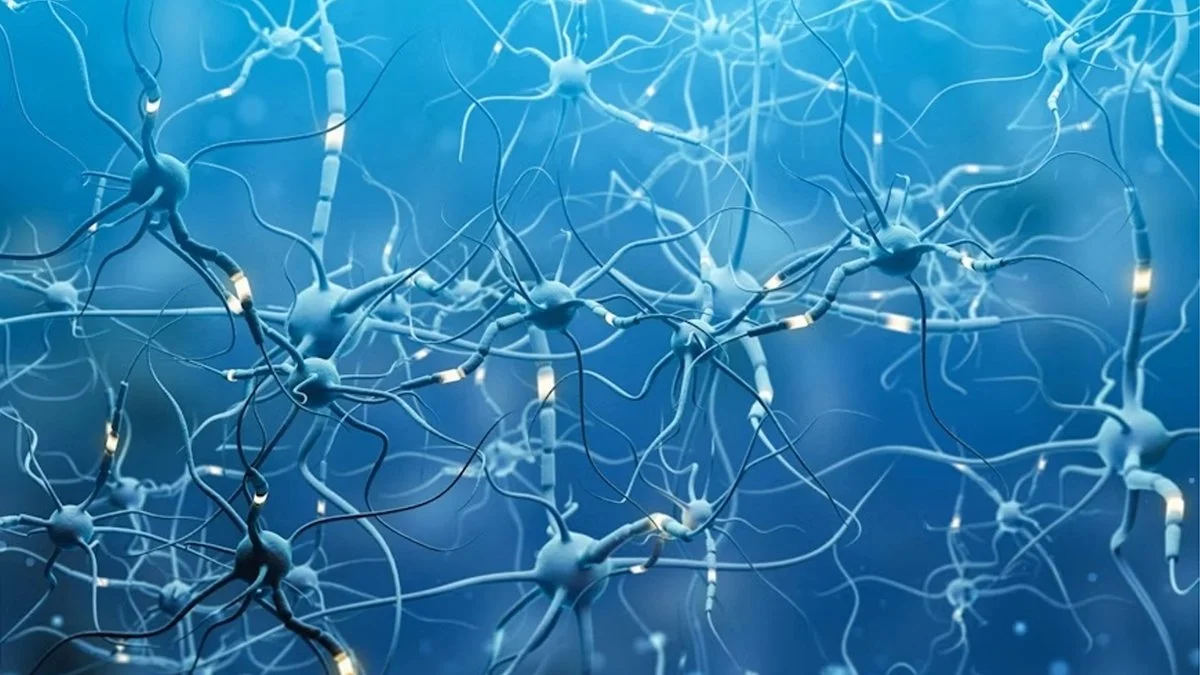
Neuroscience, fundamentally, is the expansive field dedicated to studying the nervous system—how it is constructed, how it operates, and what occurs when that system malfunctions. This discipline spans from molecular biology to high-level cognitive functions. According to Attheu, this new undergraduate degree at the University of Utah offers a rigorous, integrated approach that combines expertise from both the Department of Psychology in the College of Social and Behavioral Science and the School of Biological Sciences in the College of Science.
The Scope of Neural Study
While neuroscience is often perceived as a single subject, its definition encompasses an enormous range of perspectives. Researchers examine the nervous system across multiple scales to understand behavior and health. These approaches include:
- Cellular and Molecular Level: Examination of individual neurons, including the proteins that enable them to fire and the chemical signals exchanged at synapses.
- Systems Level: Investigation into how vast networks of neurons collaborate to generate complex functions such as vision, memory, or emotion.
- Cognitive and Behavioral Level: Study of how neural systems give rise to perception, decision-making processes, and mental health outcomes.
The program emphasizes that the distinction between a purely biological approach and a psychological one is not absolute but complementary. A biologist might focus on the physical mechanism of a neural circuit, while a psychologist investigates how that circuit is activated and what resulting behavior it produces.
Fostering Interdisciplinary Understanding
This integrated structure was developed by recognizing an opportunity to build a program neither department could achieve alone, driven by evident student interest. Jacqueline Walsh-Snow, professor of cognition and neural science and the program’s inaugural director, stressed the necessity of this combined focus. "Neuroscience is inherently interdisciplinary: you can’t fully understand the brain from a single level of analysis," she stated.
The curriculum ensures students gain a complete picture by combining biological approaches at the cellular level with quantitative methods drawn from mathematics and data science, alongside psychological studies of perception and cognition. The degree is closely connected to the university's health sciences campus, which hosts a nationally recognized graduate Neuroscience Program, further enriching the undergraduate experience.
The new major is set to accept students for Fall 2026, providing undergraduates with a robust foundation in the mechanisms that generate human behavior and mental function. This comprehensive framework prepares graduates not only for advanced research but also for diverse careers within the health sciences industry.