 EVERYTHING


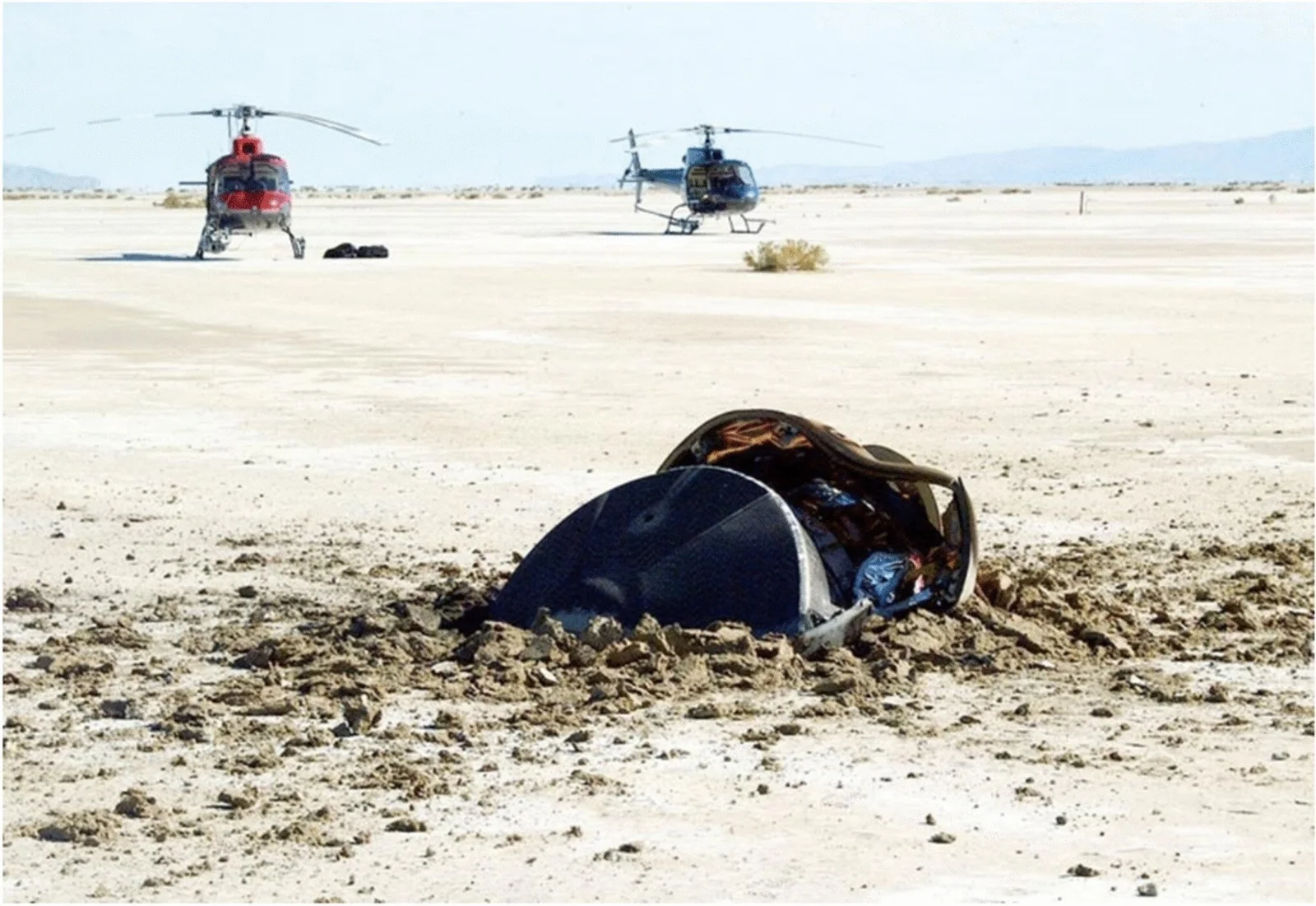
According to Phys, a new policy paper argues that NASA must integrate a specialized biocontainment facility into its planned lunar bases. The primary objective is to serve as a protective barrier against hazardous biotic contaminants that could be encountered during deep-space missions and subsequently brought back to Earth.
A quarantine stop before Earth
The research, published in the journal Ambio, suggests that all materials collected from the moon, Mars, or other celestial bodies should be routed to a secure lunar quarantine site. This strategy would prevent samples from being transported directly to terrestrial laboratories. To ensure maximum safety, the authors recommend that these extraterrestrial materials be handled exclusively by advanced robotic systems within the lunar facility.
This approach is designed to minimize human exposure and eliminate the possibility of an accidental release during transit. The researchers emphasize that current planetary protection strategies have not evolved sufficiently to match the risks posed by modern space exploration techniques.
Lessons from invasive species
While there is currently no confirmed evidence of extraterrestrial life, the authors warn that any novel organism introduced to Earth's biosphere could cause unpredictable ecological damage. They point to the history of invasive species on our own planet as a cautionary tale for biological security.
- Invasive organisms can spread uncontrollably when introduced to new environments.
- Biological invasions often result in irreversible long-term impacts on local ecosystems.
- A precautionary approach is necessary to manage the risks of extraterrestrial introductions.
"Decades of research on invasive species have demonstrated how an organism introduced to the wrong place at the wrong time can spread uncontrollably with potentially devastating and irreversible long-term impacts on ecosystems," — Anthony Ricciardi, James McGill Professor of Biology.
Addressing rising space competition
The call for rigorous biosafety standards comes as international and commercial competition in space reaches new heights. With private companies and government agencies expanding missions rapidly, the risk of spacecraft malfunctions or crashes involving contaminated materials increases. The scientists argue that no existing facility on Earth can guarantee the absolute containment or eradication of an unknown alien microorganism in the event of a catastrophic accident.
Ultimately, the authors suggest that while searching for life beyond our world is a major scientific goal, it requires proactive defense measures. They propose that the moon could serve as humanity's first line of biological defense, providing a necessary buffer zone to keep Earth's environment secure from extraterrestrial risks.