 EVERYTHING


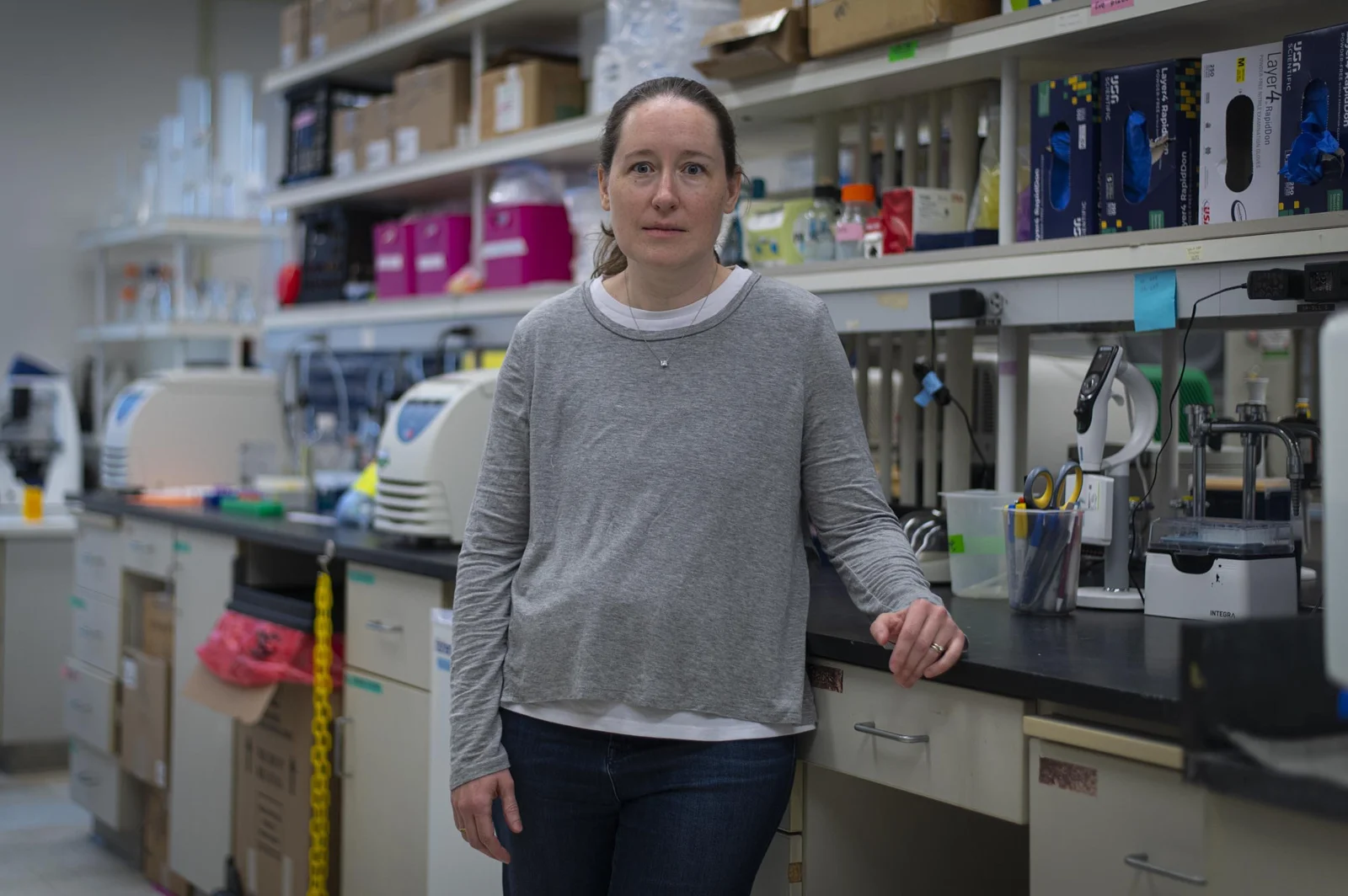
According to Vtdigger, a study led by Emily Bruce, an assistant professor of microbiology and molecular genetics at the University of Vermont’s Larner College of Medicine, has upended the understanding of influenza infection. While H1N1 and H3N2 are often treated interchangeably in clinical settings, Bruce's team found that these two primary seasonal flu viruses enter and infect human lungs through fundamentally different pathways.
Challenging the Universal Binding Dogma
For years, scientific consensus held that sialic acid—a sugar present on nearly all proteins in human cells—served as a universal binding point for influenza viruses. However, Bruce’s research focused on specific viral proteins and cellular components to investigate this assumption. The team soon identified Rab11B, a particular protein, as being critical to the infectiousness of H3N2.
The findings demonstrated that when the Rab11B protein was removed from human cells, H3N2 strains were unable to enter or replicate, even if sialic acid was present. This contradicted the long-standing belief in a universal binding mechanism. Bruce explained that Rab11B proteins are responsible for transporting other cellular components to the correct location at the appropriate time.
Distinct Entry Mechanisms
The research team sequenced viral genomes from a Vermonter infected with flu in 2022, isolating the precise role of Rab11B in the virus’s lung entry. The results revealed a critical distinction between the two major strains:
- H3N2: Requires functional Rab11B proteins within human cells to successfully bind and enter.
- H1N1: Does not exhibit this dependency on Rab11B for cellular entry or replication.
This molecular insight provides a much tighter view of the infection pathway than previously available. Bruce noted that because sialic acid is expressed widely across many biological systems, it has historically been an undesirable target for drug development due to its omnipresence. The new understanding shifts this perspective.
Implications for Antiviral Research
The distinction between H1N1 and H3N2 entry routes could significantly guide the future of antiviral research. Silke Stertz, a professor of medical virology at the University of Zürich in Switzerland, praised the work, stating that the study offers "important new insights into how influenza viruses enter and interact with host cells." She added that recognizing this difference is particularly valuable for guiding the development of novel treatments.
Emily Mosites, an epidemiologist for infectious diseases at the Vermont Health Department, echoed this enthusiasm. The molecular research provides further insight into infection dynamics, suggesting a move toward more directed therapeutic interventions rather than broad-spectrum approaches. This detailed knowledge paves the way for designing drugs that specifically target the unique cellular requirements of certain flu strains.
The discovery fundamentally changes how scientists view viral interaction with host cells, moving beyond generalized binding points to specific molecular dependencies.