 EVERYTHING


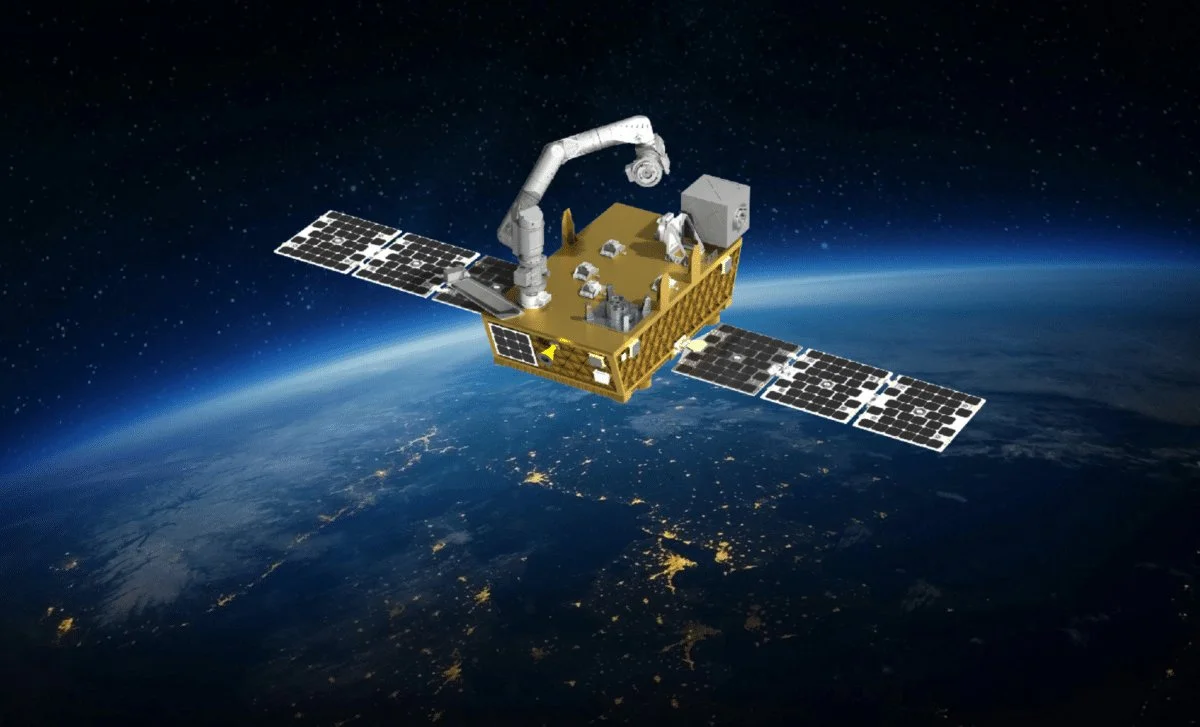
According to Dailygalaxy, NASA is set to deploy the AstroPix gamma-ray detector as part of a strategic technology demonstration scheduled for late 2027. The instrument will fly aboard the Fly Foundational Robots mission, providing a unique opportunity to test high-energy sensors in a true orbital environment rather than through temporary balloon or rocket flights.
Targeting High-Energy Cosmic Phenomena
Gamma rays represent some of the most energetic forms of light in the known universe. They originate from violent cosmic events, including intense solar activity, massive stellar explosions, and collisions occurring billions of light-years away. While these signals are vital for understanding the cosmos, certain energy ranges have remained difficult to observe with current technology.
AstroPix is specifically engineered to address these limitations by measuring gamma rays between 20,000 and 700,000 electron volts. Researchers are particularly focused on enhancing sensitivity within the 500,000 to 1 million electron volt range. This specific window is significant because:
By eventually scaling these detectors into larger arrays, the agency hopes to create sophisticated observatories capable of monitoring the universe's most powerful engines with unprecedented precision.
Orbital Validation and Future Missions
The mission, officially designated as the AstroPix Satellite Technology dEmonstration Payload (A-STEP), represents a major milestone for experimental space hardware. Most prototypes are restricted to near-space balloon flights, which offer only brief windows of observation. However, the Fly Foundational Robots spacecraft provides an extended orbital stay.
"The Fly Foundational Robots spacecraft is also a technology demonstration, so the projects were a good fit for each other," said Dan Violette, an AstroPix team member and post-doctoral fellow at NASA’s Goddard Space Flight Center. "We need to thoroughly test AstroPix’s performance before we can use the sensors in future science missions."
This orbital experience is critical for engineers to evaluate how the detectors perform under realistic conditions. The data gathered will determine if AstroPix becomes a standard component of larger scientific spacecraft later this decade, moving the technology from a promising prototype to a mission-ready instrument.