 EVERYTHING


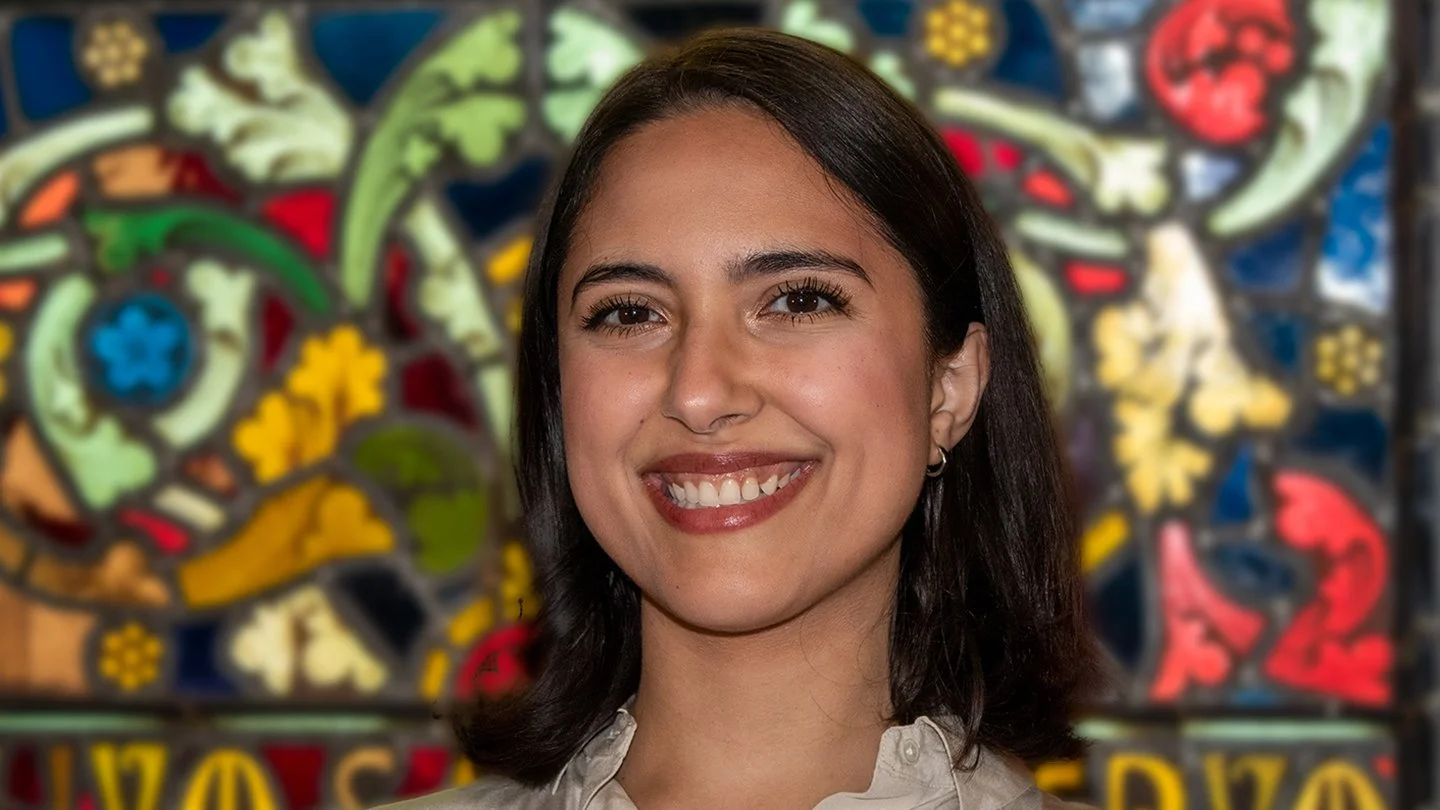
Victoria Glynn has found that integrating artistic expression is not merely a hobby but a vital tool for scientific communication and education. According to Snexplores, this evolutionary biologist uses art to reach learners from varied backgrounds, transforming complex biological concepts into relatable experiences.
The Intersection of Disciplines
Glynn’s journey began in Honduras, where her early interest in making art coincided with a deep appreciation for Central America's biodiversity. While she pursued environmental science at the University of California, Berkeley, her initial scientific work involved genetically engineering yeast to produce biofuel. However, she encountered a significant hurdle: finding effective visual aids for her research talks.
Her mother suggested that Glynn leverage her artistic skills to create these necessary diagrams. At the time, Glynn noted the perceived separation between fields, stating, “It felt like science was in one corner, and all the arts and humanities were in the other.”
Art as a Universal Language
Glynn quickly discovered practical applications for this interdisciplinary approach. As an undergraduate, she taught refugees and children who had recently arrived in the United States, often working in multilingual classrooms. In these settings, art became a powerful tool for connection. She observed that art served as “a common language for all of us to be on the same page.”
Her scientific focus has since deepened considerably. During her PhD at McGill University in Montreal, Canada, she specialized in genetics within marine invertebrates. This work involved conducting temperature stress experiments on corals taken from their natural environments to study how they build resistance against bleaching.
Current Research and Pedagogical Philosophy
Today, as a visiting researcher at the University of Connecticut, Avery Point, Glynn focuses her studies on plankton adaptation in response to rising temperatures. Her philosophy emphasizes that unique life experiences can be professional assets. She advises others by noting: “The experiences you may not see as valuable in professional settings may be what sets you apart.”
Glynn’s career highlights demonstrate a commitment to bridging knowledge gaps through diverse methods, including:
- Using art to create accessible diagrams for complex genetic research.
- Employing visual arts in classrooms with multilingual students.
- Studying how organisms adapt to extreme environmental changes like rising ocean temperatures.
- Leveraging personal interests, such as scuba diving and art, to inform her scientific perspective.
By actively seeking out methods that combine the rigor of science with the communicative power of art, Glynn is redefining what it means to be a modern scientist.
Ultimately, Victoria Glynn’s work proves that creativity is not separate from data; rather, it is an essential component for effective scientific dissemination and global education.