 EVERYTHING


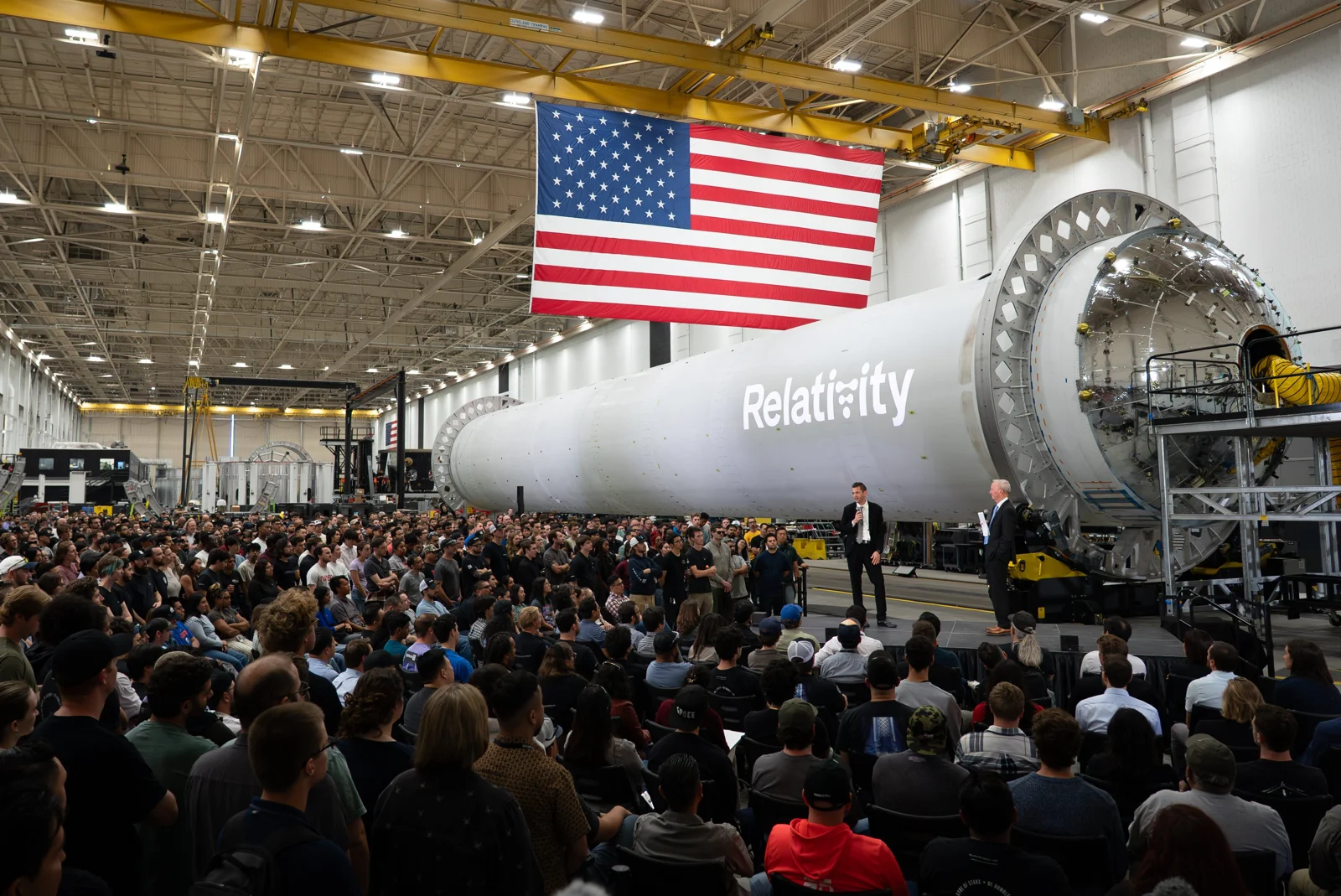
According to Nasa, a new collaborative framework has been established to enhance the pace and frequency of Mars exploration. By merging federal scientific leadership with private sector innovation, the agency intends to streamline the delivery of critical environmental data. Under this arrangement, NASA will provide the specialized Aeolus atmospheric-science instrument payload suite, while Relativity Space handles the spacecraft development, rocket systems, and cruise operations required for transit.
Accelerating mission cadence through commercial investment
This partnership represents a strategic shift toward leveraging commercial investment to expand mission frequency. By utilizing private development capacity, NASA can concentrate its internal resources on high-value scientific objectives while benefiting from the agility of the commercial space sector. The primary goal is to gather consistent data regarding Martian atmospheric behavior, which serves as a prerequisite for navigating the planet safely.
"Public-private partnerships like this are a force multiplier for science," — Jared Isaacman, NASA Administrator. "By pairing NASA’s world-class instruments with commercial innovation and investment, we can deliver more science, more often, and reduce the time it takes to get essential data into the hands of researchers preparing for future human missions to Mars."
The Aeolus instrument suite capabilities
Scheduled for launch in 2028, Aeolus is designed to provide a comprehensive, daily global view of Martian conditions. The payload consists of four distinct instruments developed by NASA researchers at the Ames Research Center:
These measurements will directly inform entry, descent, and landing systems for future missions. The data will build upon decades of research from previous orbiters like MAVEN and the Mars Reconnaissance Orbiter. NASA will support instrument operations for at least one Martian year, while Relativity Space maintains the spacecraft. This initiative is governed by a six-year reimbursable Space Act Agreement to ensure long-term mission continuity.
Strengthening the foundation for human exploration
The collaboration highlights a growing trend in aerospace where government agencies provide the "what" of science while private companies provide the "how" of transportation. By establishing a stable framework for sustained development, NASA aims to reduce risks associated with Martian dust and seasonal atmospheric shifts. This synergy ensures that researchers have access to high-quality data products necessary for planning safe astronaut journeys.