 EVERYTHING


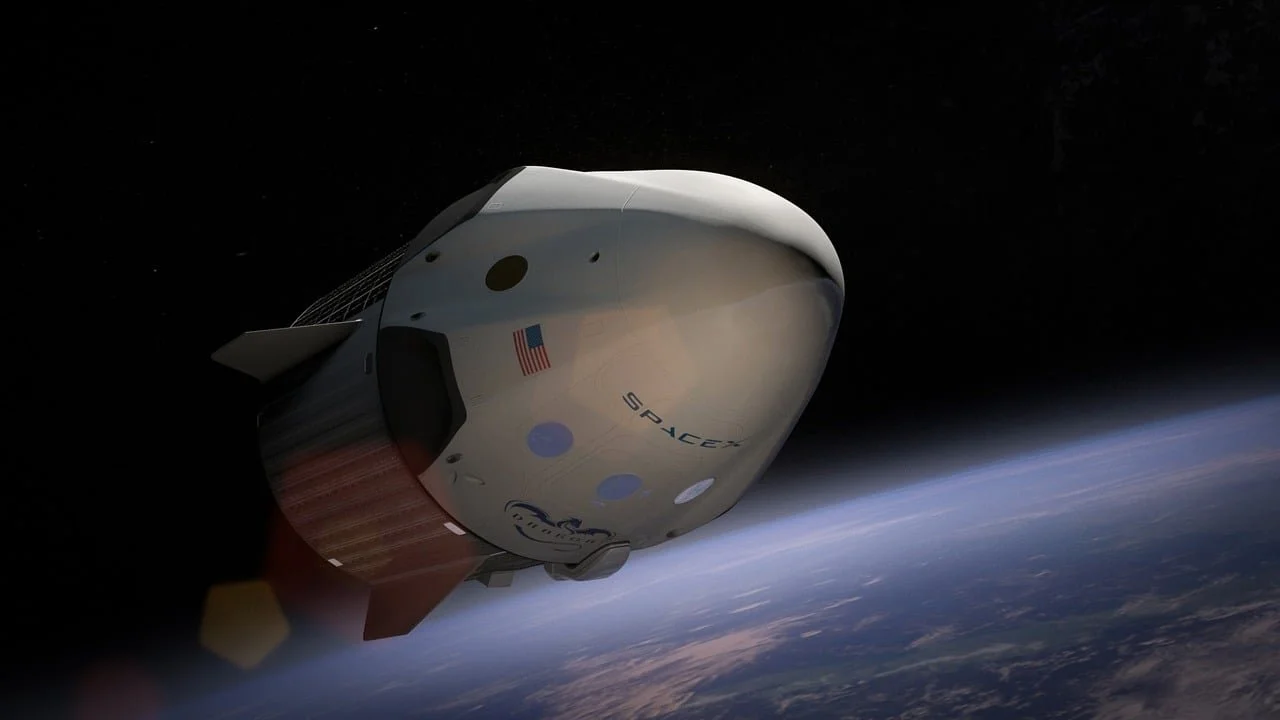
According to Trefis, the investment thesis for SpaceX currently rests on a critical economic bottleneck: the high cost of transporting mass into orbit. While the company possesses established cash-generating assets like Starlink and existing launch services, many of its most lucrative growth markets are currently hindered by prohibitive logistics expenses rather than a lack of technological capability.
The economics of orbital expansion
To unlock new revenue streams such as next-generation satellite deployments and lunar infrastructure, SpaceX must drastically reduce the price of space access. The Starship rocket is designed to be six to eight times larger than the Falcon 9, utilizing sheer scale to drive down costs. Currently, the Falcon 9 serves as a highly efficient vehicle, but it still carries payloads to low Earth orbit at approximately $2,720 per kilogram.
The ultimate goal for Starship is to bring that figure below $100 per kilogram. To achieve this 27x reduction, SpaceX relies on a high-frequency flight model involving:
Current progress and financial hurdles
Despite the ambitious targets, Starship remains in a rigorous testing phase. As of June 2026, the program has completed 12 test flights, resulting in seven successes and five failures. The latest V3 variant debuted in May 2026, featuring upgraded Raptor 3 engines and new orbital refueling hardware. However, the financial path remains steep; SpaceX reported an overall loss of about $4.9 billion in 2025, with roughly $3 billion dedicated specifically to Starship research and development.
Engineering challenges for investors
The primary obstacle is no longer just building a functional rocket, but achieving rapid full reusability at scale. While SpaceX has successfully demonstrated catching the Super Heavy booster with mechanical arms, converting that feat into a reliable 24-hour turnaround remains unproven. Furthermore, current FAA permits limit launches to 25 per year from Starbase, a figure far below what is required to validate the cost model investors are pricing in today.
Ultimately, the investment case depends on whether lower costs can generate enough new demand to sustain the high flight cadence necessary for those low costs to exist. The most immediate internal customer for this transition is the next-generation V3 Starlink satellites, which are too large for Falcon 9 and will rely heavily on Starship's heavy-lift capabilities.