 EVERYTHING


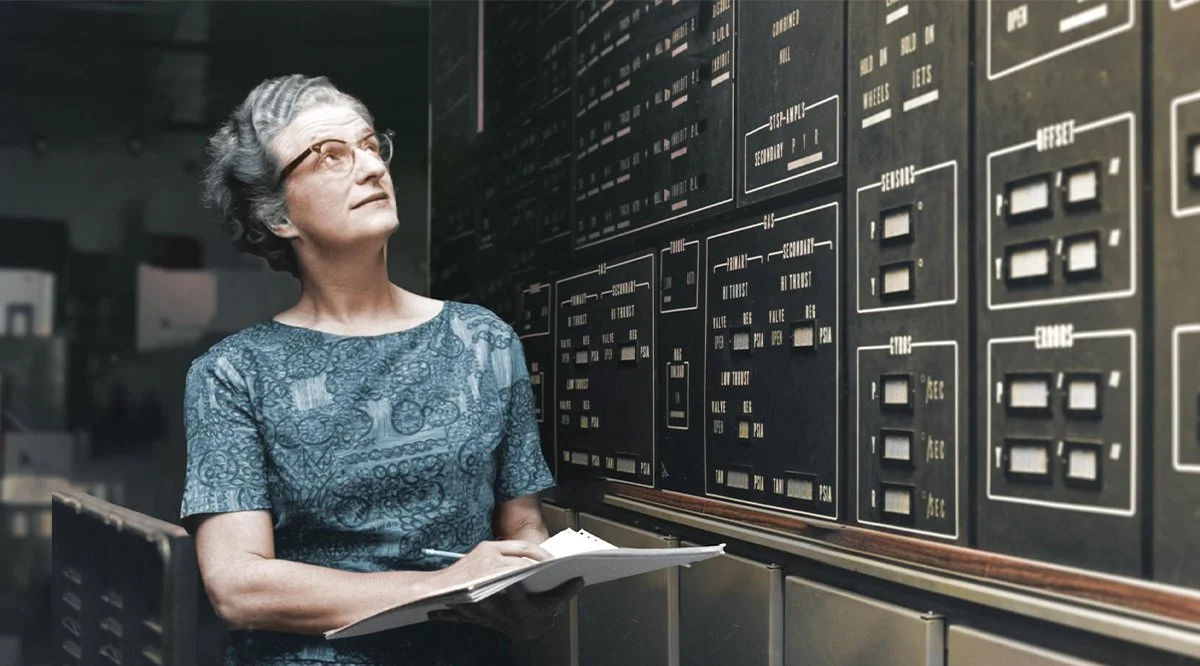
Nancy Grace Roman is widely regarded as the “Mother of Hubble,” a title earned through her pioneering contributions to astronomical research and NASA’s early space programs. Her legacy continues today with the naming of the Nancy Grace Roman Space Telescope, a cutting-edge instrument slated for launch this autumn. According to NASA, the new telescope will possess capabilities that dramatically accelerate the observation and study of mysterious phenomena across the universe.
A Career Defined by Innovation
Born in 1925, Roman dedicated her life to science, overcoming significant obstacles faced by women pursuing technical careers during the mid-20th century. She earned her Ph.D. from the University of Chicago in 1946 and conducted research at advanced observatories including Yerkes in Wisconsin and McDonald in Texas. Her early work established her as a leading expert in stellar composition and motion.
Roman’s career trajectory led her directly into the federal space agency, where she began in 1959. She quickly rose through the ranks, becoming the first Chief of Astronomy in NASA's Office of Space Science. Her administrative leadership was instrumental in giving birth to several astronomical satellites that explored cosmic X-rays and gamma-rays, contributing significantly to missions like Gemini and Apollo.
The Next Generation of Cosmic Observation
Roman’s work culminated in leading the development of NASA’s airborne astronomy program, which eventually matured into space telescopes such as Hubble. The Nancy Grace Roman Space Telescope is designed to surpass its predecessor dramatically. It features a field of view at least 100 times larger than Hubble’s and includes advanced technology enabling it to block starlight.
- The telescope will allow scientists to peer directly into unexplored corners of the galaxy.
- It is specifically designed to study planet-forming disks and exoplanets in unprecedented detail.
- Its $4 billion budget reflects its status as a major scientific endeavor for humanity.
Roman’s impact extends far beyond her 97 published papers; she set crucial precedents not only in astronomy but also for women in science globally. As the Nancy Grace Roman Space Telescope prepares for liftoff, it carries forward the spirit of discovery championed by this influential pioneer.