 EVERYTHING


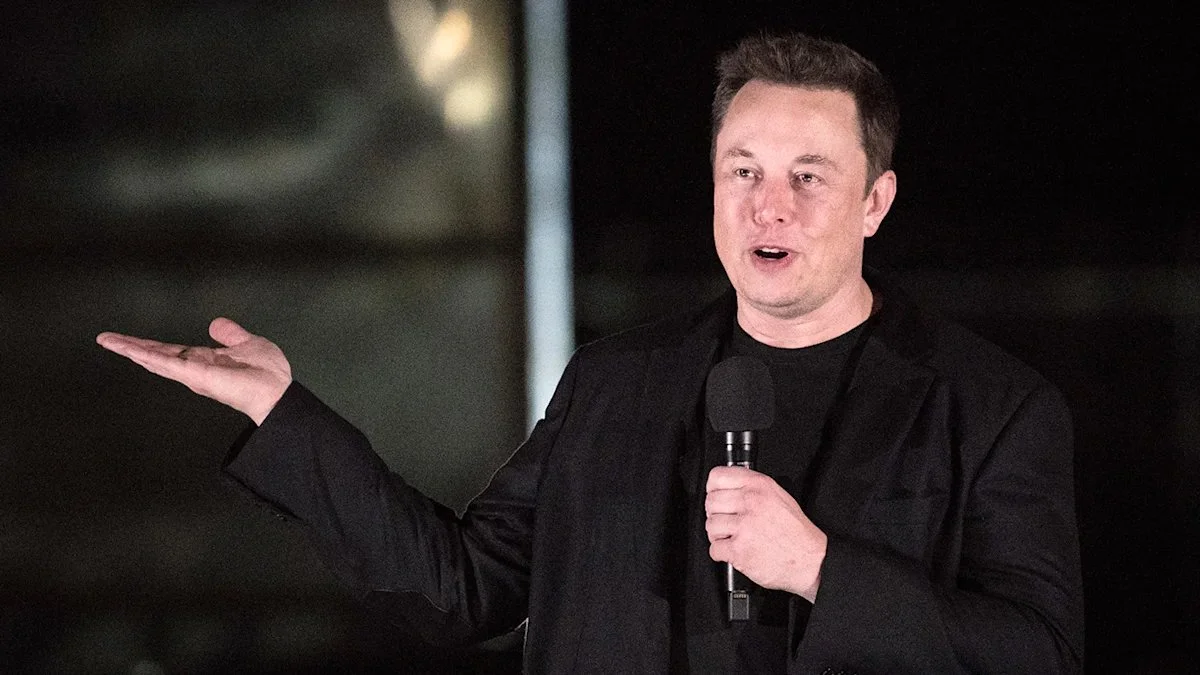
The competition in artificial intelligence has moved beyond software models; it is now fundamentally a struggle over physical computing power. According to Aol, Elon Musk's SpaceX may eventually decide that owning a semiconductor giant outright is necessary to meet its exponential computational demands. This potential acquisition of Intel (NASDAQ:INTC) would provide the company with immediate access to established manufacturing capabilities and deep engineering talent.
The Strategic Necessity of Chip Control
SpaceX is planning an enormous expansion of its fabrication capacity, with the first phase alone projected to cost $122 billion. This massive investment is tied directly to meeting the computational needs of AI and aerospace applications. Relying solely on external chip suppliers presents a significant constraint risk for projects ranging from Starlink optimization to autonomous vehicle systems.
The current market environment highlights this scarcity. While Nvidia (NASDAQ:NVDA) data center revenue climbed 92% year over year to $75.2 billion last quarter, demand continues to severely outpace production capacity across the industry.
Intel's Existing Infrastructure Advantage
While building advanced semiconductor fabrication plants from scratch is notoriously difficult and time-consuming—a lesson Intel learned after manufacturing delays allowed Taiwan Semiconductor Manufacturing (NYSE:TSM) and Samsung to gain ground—the company possesses unique assets. These include:
- Existing U.S.-based fabrication plants
- Decades of specialized chip manufacturing expertise
- Tens of thousands of experienced semiconductor engineers
- Deep institutional ties to Washington and the Department of Defense
These established resources could accelerate SpaceX’s planned buildout far faster than a greenfield construction effort, offering a ready-made foundation for advanced aerospace computing.
Musk's Expanding AI Ecosystem
The strategic logic behind such an acquisition aligns with Musk's broader technological ambitions. Reports suggest he has considered merging Tesla (NASDAQ:TSLA) and SpaceX into a larger conglomerate potentially valued above $3 trillion. All of these ventures—Tesla’s autonomous driving, Starlink’s satellite network, and xAI’s data centers—share the same critical bottleneck: access to high-performance chips.
By securing Intel, Musk would not only ensure supply for his current operations but also secure a foundation necessary for grander goals, such as developing propulsion systems for Martian colonization. The move represents a decisive shift from being a consumer of technology to becoming a controller of the foundational hardware that powers modern industry. This potential acquisition signals a major pivot in how tech giants approach vertical integration in the age of AI.