 EVERYTHING


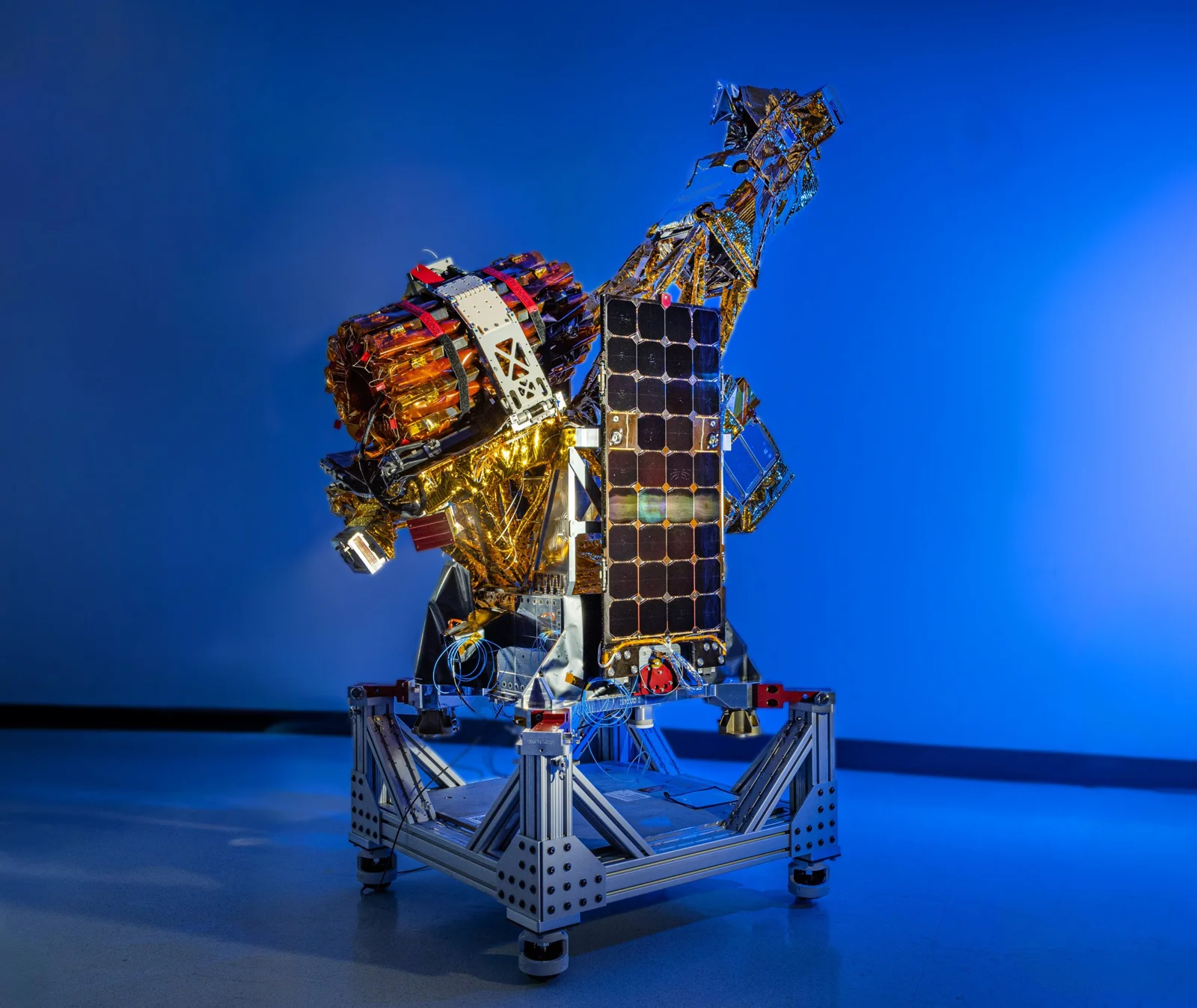
Teams working on NASA's INCUS mission have successfully completed assembly and testing for two of the three SmallSats, with testing continuing on the final unit ahead of a planned 2027 launch. The satellites are designed to operate in tight coordination within low Earth orbit (LEO), maintaining precise separation intervals of 30 seconds between the first and second units, and 90 seconds between the second and third.
Understanding Convective Storms
According to Phys, tropical convective storms are characterized by sudden, intense lifting of large volumes of air and water. While these systems are crucial for global freshwater supply, they also generate severe weather that threatens life and property. The INCUS mission aims to significantly enhance the understanding of where, when, and why these complex storms develop.
Scientific Objectives and Instrumentation
Led by principal investigator Sue van den Heever of Colorado State University, INCUS will utilize advanced spaceborne radar instruments developed at NASA's Jet Propulsion Laboratory (JPL) in Southern California. These radars are designed to observe the vertical motion of air and water—a metric known as convective mass flux—as storms mature.
- The mission will also explore how various environmental factors correlate with this movement, including:
- Air temperature and humidity levels.
- Atmospheric pressure and wind speed/direction.
To provide comprehensive spatial context to the vertical precipitation profiles gathered by the radars, the middle satellite carries a microwave radiometer, which was also developed at NASA JPL. The three satellites were integrated onto spacecraft buses provided by Blue Canyon Technologies in Lafayette, Colorado.
Testing and Deployment
The initial two observatories have successfully passed rigorous vibration and thermal vacuum testing, ensuring they can withstand both the stresses of launch and the extreme temperatures encountered in space. Following these tests, teams performed successful test deployments of the deployable mesh radar reflectors, which were manufactured by Tendeg in Louisville, Colorado.
These insights gathered by INCUS are expected to directly improve storm forecasting capabilities. By providing decision-makers with better predictive models for severe weather events and freshwater supply management, the mission holds the potential to mitigate substantial loss of life and property damage across affected communities. The INCUS mission is part of NASA's Earth System Observatory, a larger series of missions focused on studying dynamic natural systems on Earth.
The successful completion of assembly and testing positions the INCUS mission as a critical step forward in atmospheric science and disaster preparedness.