Tech Read the original on Theconversation 2 min read 0

Toy Story 5 highlights the balance between digital and physical play

The release of Toy Story 5 has sparked a cultural conversation regarding the impact of tablets on traditional childhood play. While the film depicts a child's growing obsession with a digital device over physical toys, researchers argue that parents should avoid an either/or mentality. Instead, they suggest integrating both mediums to foster comprehensive development. By blending imaginative physical interaction with modern technology, families can ensure children develop essential social and cognitive skills in a tech-heavy world.

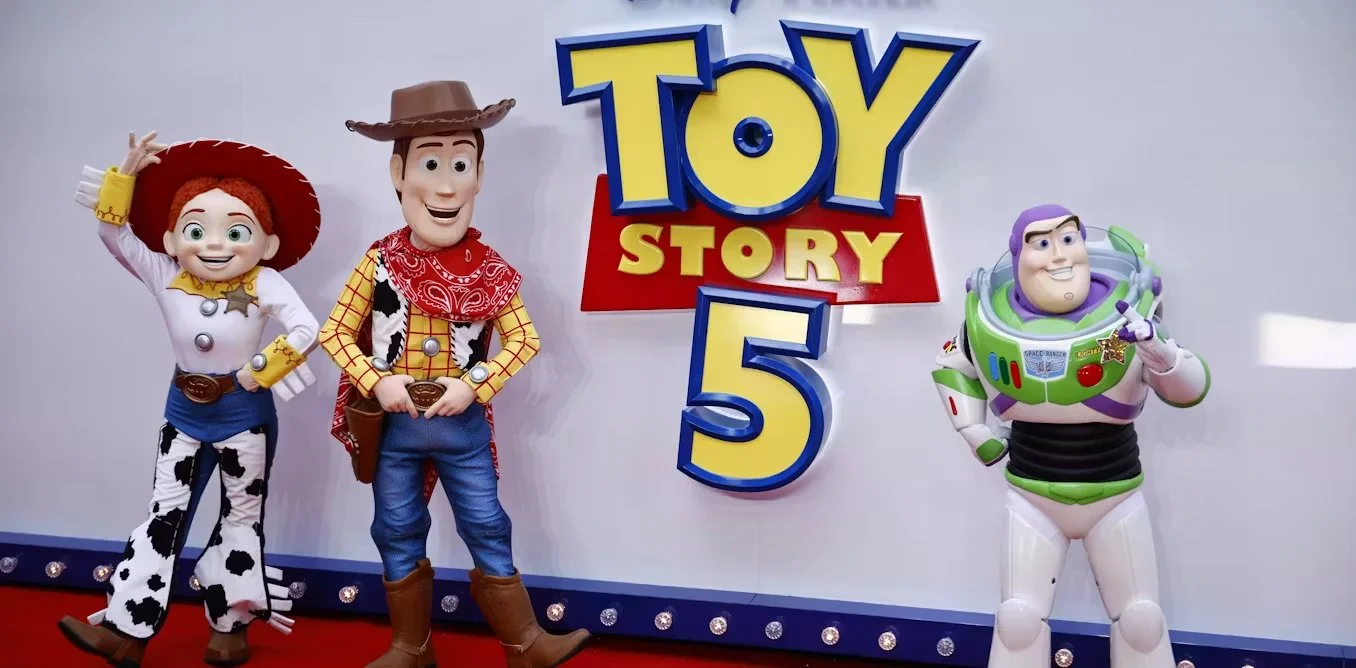
Фігури персонажів Джессі, Вуді та База Лайтєра стоять поруч із великим логотипом мультфільму Toy Story 5 на білому фоні.
Фігури персонажів Джессі, Вуді та База Лайтєра стоять поруч із великим логотипом мультфільму Toy Story 5 на білому фоні. · Image source: Theconversation

According to Theconversation, the latest installment of the Toy Story franchise serves as a modern mirror for parental anxieties regarding screen time. As the generation that grew up with physical toys like Woody and Buzz now raises their own children, the tension between tactile play and digital engagement has become a primary focus of early childhood research.

The distinction between traditional and digital play

Traditional toys generally fall into two categories: self-created items from found objects—such as sticks, rocks, or cardboard boxes—and manufactured products like dolls, blocks, or cars. These physical items are vital because they require children to engage physically by pushing, pulling, and manipulating objects. This type of play allows children to lead the narrative, deciding what an object becomes and how a story unfolds.

However, the modern landscape has shifted significantly since the 1970s. While video games were introduced early in the franchise's history, the widespread availability of smartphones and tablets over the last 15 years has changed the accessibility of digital play. Experts note that while screens can pose risks to physical and mental health if used excessively, they also offer unique opportunities for social interaction and problem-solving.

Moving toward a blended play universe

Rather than viewing technology as an enemy of traditional toys, researchers suggest a balanced approach. The goal is to create a "blended play universe" where children can move fluidly between different types of engagement. This involves:

  • Combining screens with physical activities to extend rather than replace play.
  • Ensuring a mix of indoor and outdoor movement.
  • Balancing solo imaginative play with games that have established rules.
  • Providing access to safe digital technologies to ensure children remain culturally and technically competent.
  • By integrating these elements, families can provide a richer developmental experience. Instead of choosing between a tablet and a toy box, parents can use technology as a tool to enhance the storytelling and creative capabilities that traditional toys have fostered for decades.

    FAQ

    What are the benefits of traditional physical toys?
    Traditional toys require children to engage physically by pushing, pulling, and manipulating objects. This type of play allows children to lead the narrative, deciding what an object becomes and how a story unfolds.
    How can parents balance screen time with physical play?
    Parents can create a blended play universe by combining screens with physical activities to extend rather than replace play. This involves mixing indoor and outdoor movement, balancing solo imaginative play with games that have established rules.
    Telegram

    Fresh news on our Telegram

    Get instant alerts for new posts in «Tech»

    @protechandevenmore