 EVERYTHING


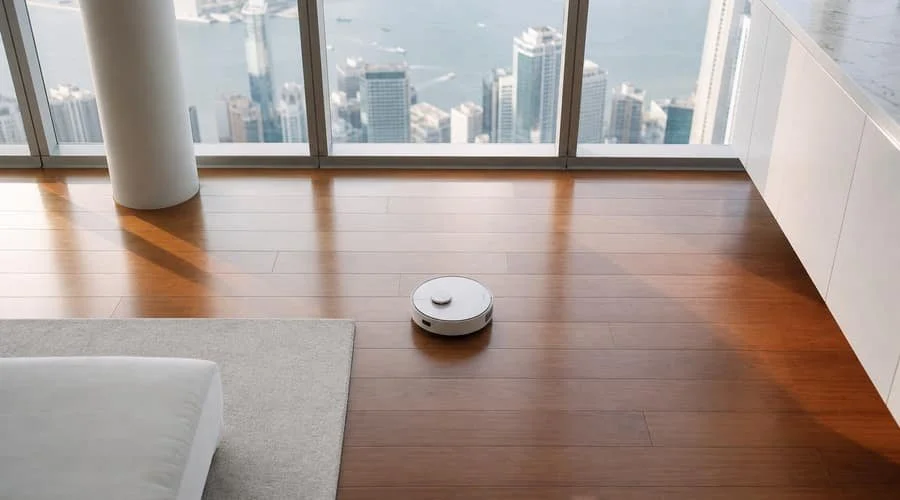
According to Startupfortune, Dreame Technology is currently raising pre-IPO capital at a reported 70 billion yuan ($9.6 billion) pre-money valuation. The company, which has established itself as a dominant force in the consumer robotics sector, is opening a funding window that closes in early July with a minimum ticket size of 350 million yuan.
Rapid growth and global market dominance
The move comes on the heels of an impressive financial trajectory. Dreame reported over 40 billion yuan in revenue for 2025, marking eight consecutive years of compound annual growth exceeding 100 percent. The company has successfully scaled its operations to reach more than 120 countries, with international markets contributing approximately 80 percent of its total revenue.
Key performance indicators highlight Dreame's strength in the premium segment:
- The company holds a 26.8 percent market share in Western Europe for robot vacuums.
- More than half of its European revenue is derived from premium products priced above 1,000 euros.
- Dreame operates over 6,500 flagship stores globally and has shipped more than 11 million units to date.
Testing the robotics investment premium
The timing of Dreame's listing is notable as it coincides with a broader surge in Chinese tech listings on the Hong Kong exchange. While humanoid robot startups like EngineAI have recently commanded high valuations based on future potential, Dreame offers a different narrative: proven commercial traction and significant revenue scale. At its current pre-money valuation relative to 2025 revenues, the implied multiple is roughly 1.75 times, though the target market cap of 150 billion yuan would push that figure toward four times.
Investors will be watching closely to see if the high premiums currently enjoyed by industrial humanoid robotics will bleed into consumer-facing hardware. As Hong Kong re-establishes itself as a primary capital market for Chinese firms with global ambitions, Dreame's ability to maintain its growth while expanding into smart home products and EV concepts will be critical. The company's success may determine whether the market favors steady price-to-revenue discipline or speculative AI hype in the robotics sector.