 EVERYTHING


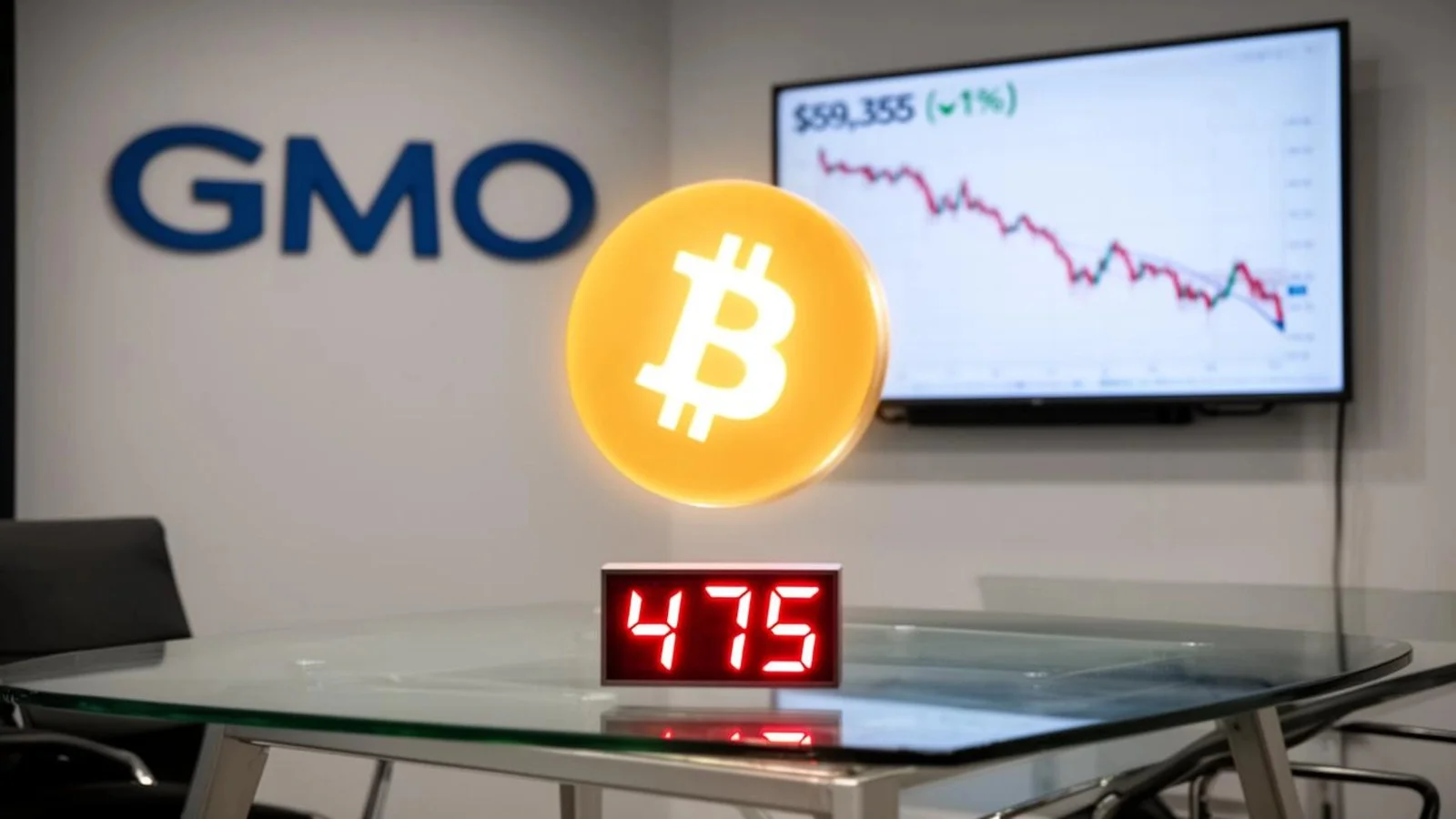
According to Finance, legendary investor Jeremy Grantham has ignited a fresh debate between traditional finance and the cryptocurrency sector by declaring that Bitcoin will "certainly" go to zero. The 85-year-old market strategist made these comments during an appearance on the podcast \"The Diary Of A CEO,\" where he expressed deep skepticism regarding the long-term viability of digital assets.
A bearish outlook from a bubble expert
Grantham, who built a reputation for accurately forecasting major market crashes, dismissed cryptocurrencies as an "unnecessary piece of nonsense." He argued that the technology primarily serves to facilitate illicit activities by allowing criminals to move money without oversight. During his remarks, Grantham clarified that he has never held any cryptocurrency and maintains a firm stance against recommending it to others.
The prediction was met with immediate pushback from the crypto community. Michaël van de Poppe, a well-known analyst in the digital asset space, criticized the statement on social media, labeling it as "stupid." Van de Poppe suggested that many established investors lack an understanding of Bitcoin's underlying fundamentals and purpose, leading to statements that he finds ridiculous.
Historical context and market reaction
Grantham’s warnings place him in a long list of high-profile critics who have predicted the demise of Bitcoin. According to data from Bitcoindeaths.com, the cryptocurrency has been declared dead 475 times by various public figures, including:
- Economists Nouriel Roubini and Peter Schiff
- Business magnates Warren Buffett and Jamie Dimon
- Various other high-profile market skeptics
At the time of these reports, Bitcoin was trading at approximately $59,355.06, reflecting a slight daily decline. While Grantham’s track record as a bubble spotter gives his words weight, proponents argue that Bitcoin is fundamentally different from past manias due to its decentralized architecture and fixed supply cap of 21 million coins.
The divide in global finance
This clash highlights a widening philosophical gap in the financial world. Traditionalists often view assets without physical backing or cash flows as inherently speculative, while a new generation of investors views blockchain as a transformative evolution for global money systems. As institutional adoption grows, the tension between these two schools of thought remains a defining characteristic of the current market landscape.