 EVERYTHING


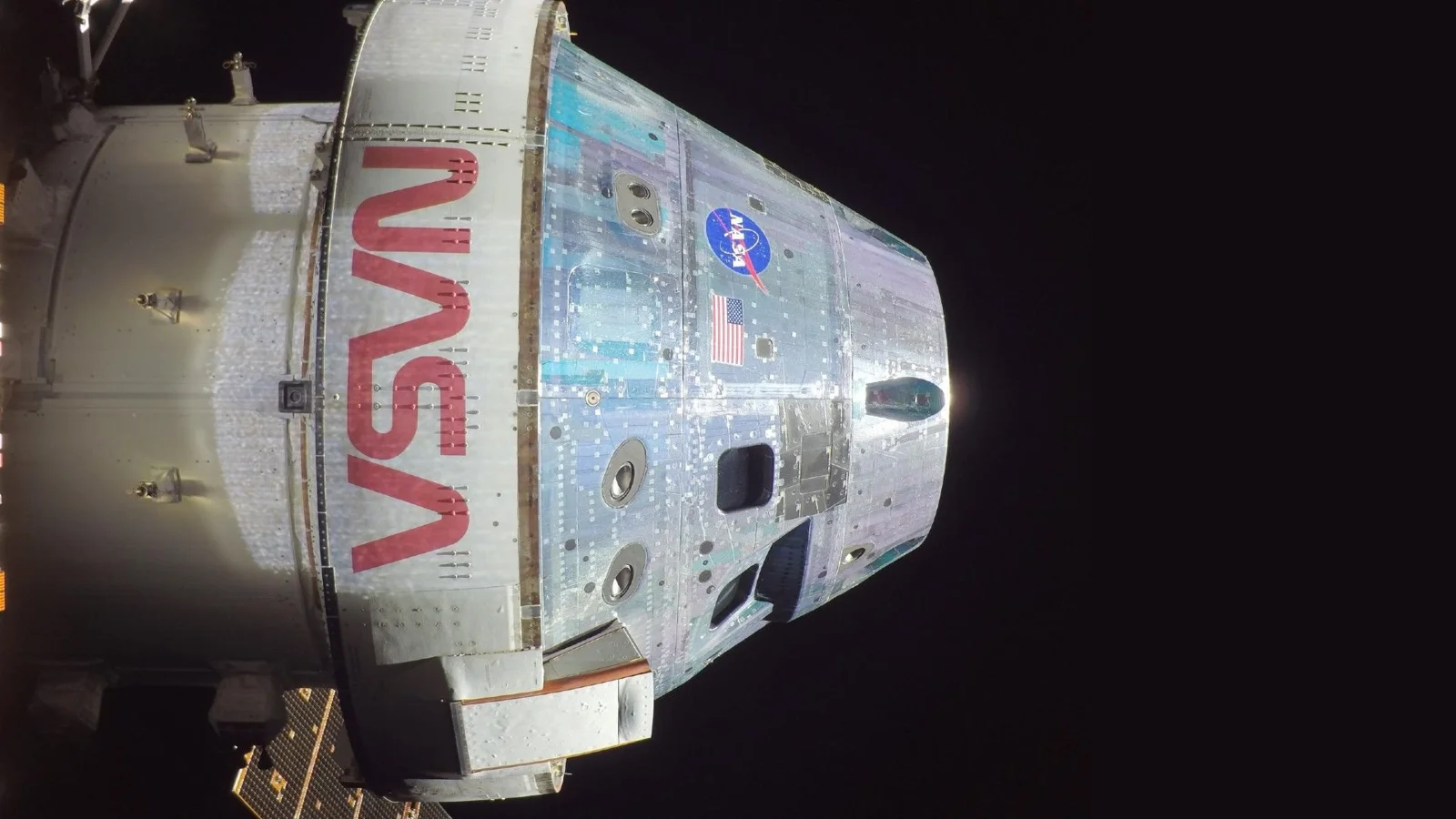
The expansion of human presence beyond Earth requires rigorous risk management, particularly concerning micrometeoroids and meteor storms. According to Space, NASA estimates that approximately 48.5 tons (44,000 kilograms) of naturally occurring space debris enters the Earth's atmosphere every day. These fragments vary widely in size, ranging from minuscule micrometeoroids to larger particles that create visible shooting stars.
The Kinetic Danger of Hypervelocity Debris
Micrometeoroids travel through space at extreme speeds, averaging 22,000 miles per hour (34,405 kilometers per hour). At this hypervelocity, even a tiny piece of debris possesses the potential to inflict significant kinetic damage upon striking a spacecraft. This impact could penetrate or deform a vessel's hull, potentially damaging vital systems or causing catastrophic rupture.
A specific concern involves the Orion spacecraft, NASA’s crew capsule for Artemis missions. Micrometeoroid impacts risk puncturing one of its heat-resistant outer tiles, compromising the vehicle's ability to survive intense atmospheric reentry. To address this threat, Lockheed Martin has optimized the design and material selection of the Orion spacecraft for MMOD protection. Mike Heckwolf, an Orion crew and mission risk integrator at Lockheed Martin, confirmed that hypervelocity impact testing is conducted to verify performance and characterize damage survivability.
Contingency Planning for Severe Events
The primary defense against space debris hazards remains prevention through careful planning. NASA and its partners routinely conduct detailed risk assessments both before and during missions. However, the most significant disruptions arise from meteor storms and outbursts—events that dramatically increase the density of interplanetary debris in the Earth-Moon environment.
Bill Cooke, lead at the NASA Meteoroid Environments Office, noted that only a small fraction of the more than 1,000 known meteor showers exceed the sporadic background by more than 5%, such as the Geminids. Despite this relative rarity, major mission disrupters require strict protocols. If a significant storm or outburst is forecast during crew activity, the established procedure dictates that the mission will be delayed or the crew will remain secured inside until the hazardous period passes.
The necessity of these precautions was recently highlighted by international partners; for instance, last November, taikonaut Chen Dong discovered a crack in the viewport of his Shenzhou-20 spacecraft, forcing the three-person crew to utilize an alternative return craft. These incidents underscore that while modern spacecraft are designed with robust mitigation strategies, constant monitoring and preparedness remain essential for successful deep space exploration.