 EVERYTHING


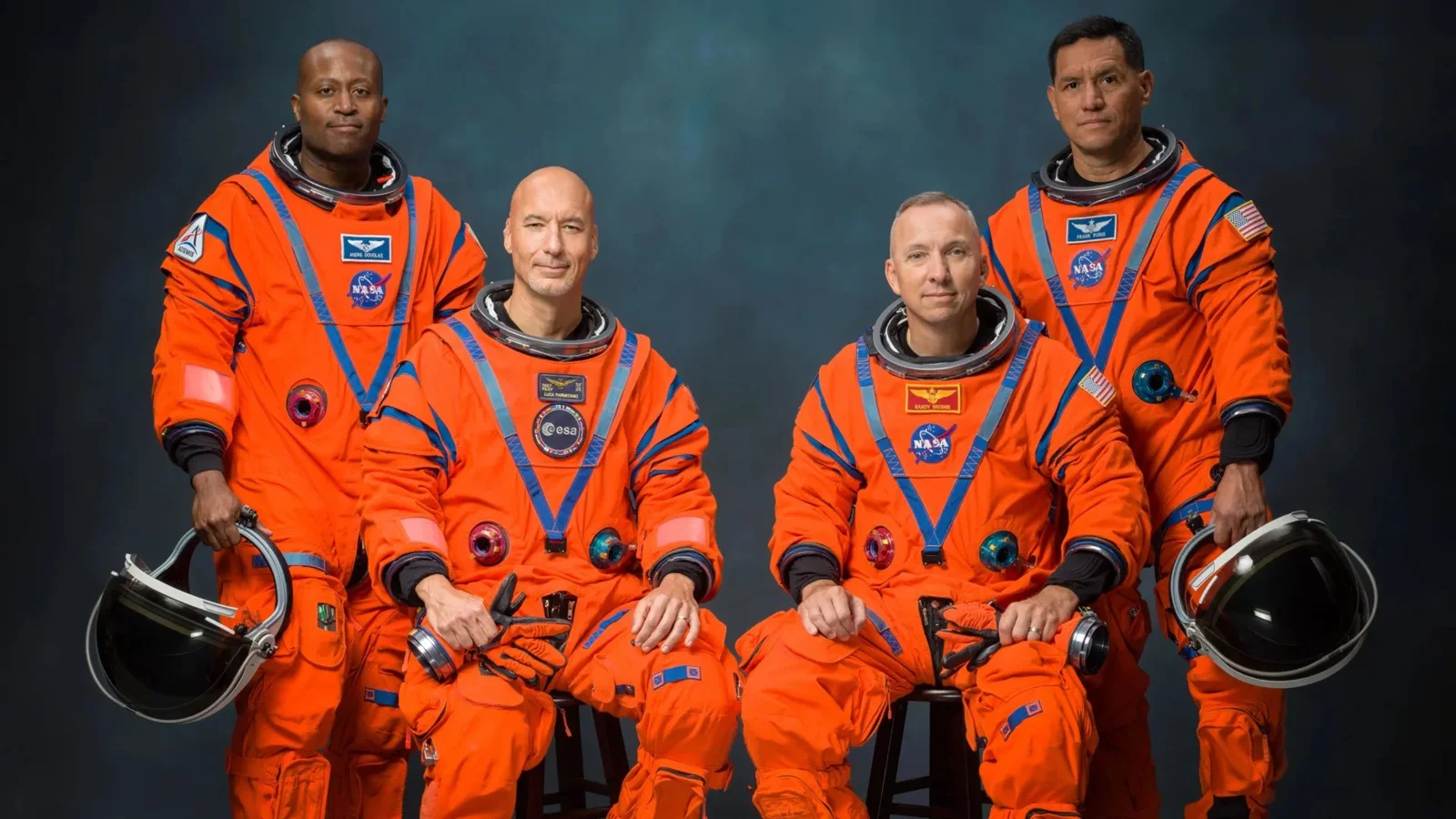
According to Sciencedaily, NASA has revealed the specific personnel tasked with executing Artemis III, one of the most complex human spaceflight missions in recent history. The mission is designed as a rigorous testing ground for technologies essential to long-term lunar exploration and future crewed journeys to Mars. Launching from Kennedy Space Center, the team will utilize the Space Launch System (SLS) rocket to transport the Orion spacecraft into low Earth orbit.
Crew Composition and International Partnership
The primary crew for Artemis III includes Commander Randy Bresnik, Pilot Luca Parmitano of the European Space Agency (ESA), and Mission Specialists Andre Douglas and Frank Rubio. NASA also designated Bob Hines as the official backup crew member. This selection marks a significant milestone in international cooperation, as Luca Parmitano becomes the first ESA astronaut selected for an Artemis mission.
The astronauts are set to begin immediate training on Orion systems while simultaneously assisting in the development of lunar lander prototypes. The mission will focus on several key technical areas:
Technological Milestones and Future Goals
A primary objective of Artemis III is to perform the first rendezvous and docking operations with test versions of landers being developed by both Blue Origin and SpaceX. These tests are considered critical prerequisites for Artemis IV, which is slated as the first crewed mission to reach the Moon's South Pole in 2028. By evaluating how these diverse systems interact in orbit, NASA intends to mitigate risks before the actual lunar landing occurs.
NASA Administrator Jared Isaacman highlighted that the mission represents a "bold step" in humanity's return to the lunar surface. The operation will require an unprecedented level of coordination among government agencies and private industry partners. By successfully demonstrating these complex maneuvers, the Artemis III team aims to usher in a new era of deep-space exploration, building upon the legacy of the Apollo program while utilizing modern American innovation and international expertise.